

Best Shipbuilding Steel Plate Supplier: How to Choose the Right Partner for Your Project
2026-05-20
Selecting the right steel plate supplier is a decision that reverberates through every stage of your shipbuilding project. From withstanding corrosive marine environments to meeting stringent classification standards, the quality of your steel directly impacts vessel longevity, safety, and performance. Yet, with a sea of suppliers making grand promises, how do you identify a partner that truly delivers? It’s not just about material specs—it’s about reliability, technical expertise, and a seamless supply chain. Sanhe Steel stands out not merely as a vendor, but as a dedicated ally in navigating these critical choices. In this guide, we cut through the noise to reveal the essentials of evaluating shipbuilding steel partners, and why the right collaboration can keep your project on course and ahead of schedule.
Certifications Are the Table Stakes—Look for Real-World Proof
A certification tells you that someone passed a test, but it rarely tells you how they’ll perform when things get messy. I’ve seen too many certified professionals freeze up the moment a real problem lands on their desk—because textbook scenarios don’t prepare you for unexpected variables or tight budgets. The certificate might get them in the door, but it’s their track record that keeps them in the room.
What I really look for are the projects they’ve shipped, the crises they’ve navigated, and the clients who still pick up the phone to vouch for them years later. Anyone can memorize answers; only experience teaches you how to ask the right questions when the obvious ones don’t work. That’s the kind of proof I need before I’d trust someone with something that matters.
Quality Isn’t in the Spec Sheet, It’s in the Yard Performance
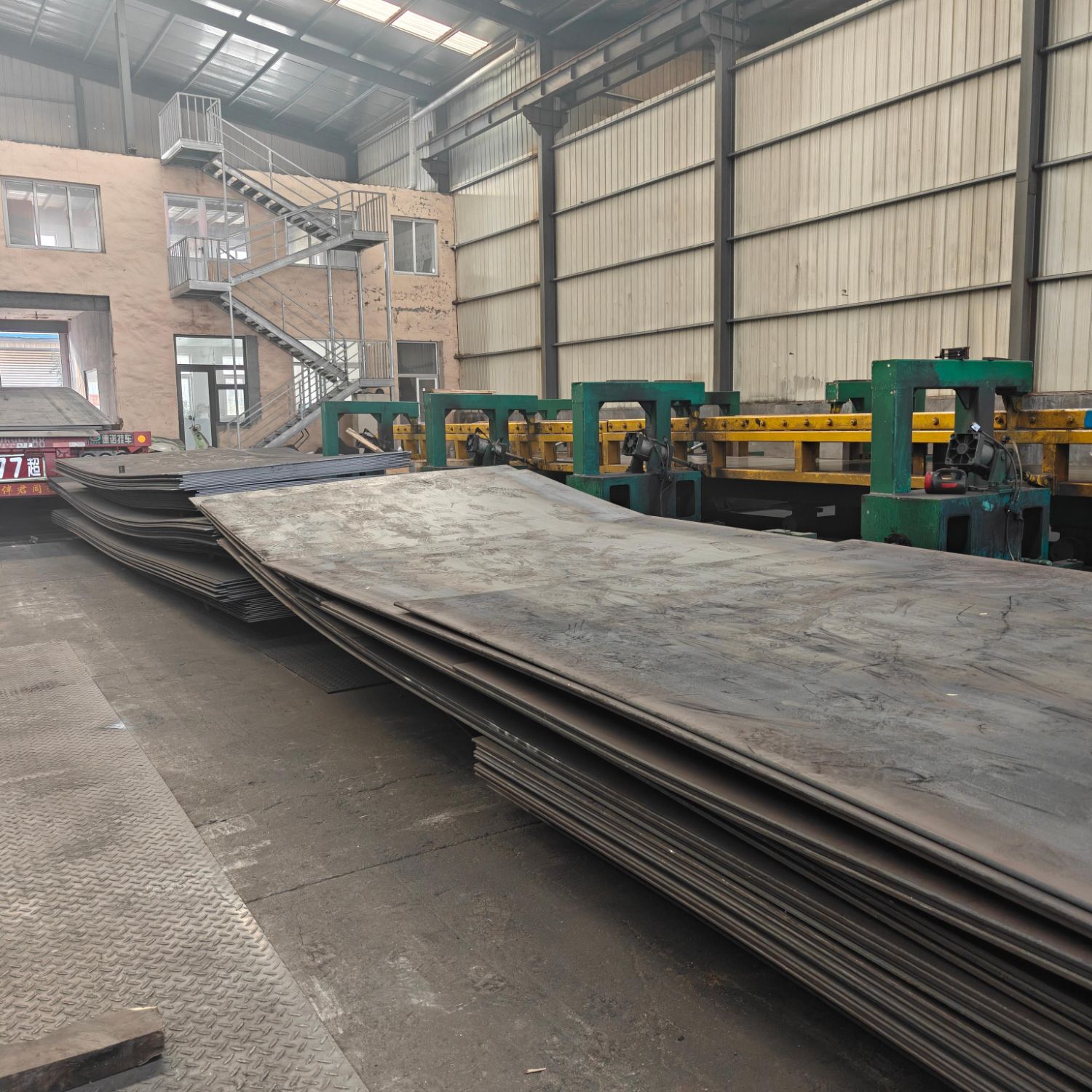
When we talk about quality in compact equipment, the conversation almost always starts with numbers—horsepower, breakout force, lift capacity. These figures look neat on a glossy brochure, but they rarely tell the full story. What truly separates a machine that just checks boxes from one that earns its keep is how it handles the unglamorous, repetitive grind of a real job site. Mud that clings to the undercarriage, uneven terrain that tests stability, and long hours that punish anything less than robust engineering—these are the tests no spec sheet can measure.
Out in the yard, performance reveals itself in subtle ways: how quickly an operator gains confidence on a new machine, the way controls respond without hesitation, or the sheer reliability that keeps a fleet running season after season with minimal downtime. It’s the difference between a compact track loader that feels wobbly with a full bucket and one that remains sure-footed on a slope, or an excavator that cycles smoothly even after thousands of hours. These nuances can’t be captured in a lab; they’re earned through thoughtful design that puts a premium on the daily experience of the people in the cab.
This yard-level performance doesn’t happen by accident. It stems from choices that might even look like drawbacks on paper—a slightly heavier frame that adds stability, hydraulic systems tuned for real-world balance rather than peak flow rates, or wear parts that prioritize longevity over initial cost. Making these calls requires a maker that listens to owners and operators, not just marketing checklists. When you step onto a site and see a machine that just works, without fanfare or constant tinkering, you know you’re looking at quality that was never meant to be advertised—only proven.
Your Designs Are Unique—Can They Handle Custom Grades?
Every project seems to come with its own twist, and standard material grades often fall short. Whether it’s a niche alloy for corrosive environments or a blend that meets an obscure certification, the real question is whether your partner can adapt without you feeling like you’re asking for the impossible.
Custom grades shouldn’t mean endless wait times or bloated costs. It’s about having the flexibility to adjust formulations precisely, testing rigorously on small batches, and delivering something that behaves exactly as needed—without treating it like a special favor. That’s the kind of capability that keeps your designs moving forward, no matter how specific they get.
Global Reach, Local Smarts: Avoiding Supply Chain Gridlock
Supply chains today weave through a tangled web of cross-border dependencies, where a single port strike or regulatory shift can ripple across continents. The allure of a sprawling global footprint is undeniable, but it often comes with hidden choke points that paralyze operations overnight. Smart companies are now pairing that expansive reach with hyper-local insight, embedding regional teams that understand the nuances of infrastructure, politics, and seasonal quirks. It’s not just about having alternative routes on a map—it’s about knowing which customs broker to call when a shipment stalls, or how to reroute through a secondary airfield when monsoon floods hit. This blend of big-picture connectivity and ground-level agility turns potential gridlock into a managed detour, keeping goods flowing when less prepared competitors grind to a halt.
The push for localization isn’t a retreat from global ambitions; it’s a strategic layer that buffers against volatility. By cultivating relationships with regional logistics partners and maintaining micro-fulfillment centers near key demand hubs, firms can bypass centralized bottlenecks altogether. When a political crisis closes a major shipping lane, those with pre-vetted local carriers and flexible inventory positioning can pivot seamlessly, often with no customer-facing impact. This approach also reduces over-reliance on monolithic systems, allowing mid-sized players to compete against giants by being nimbler and more context-aware. The result is a supply chain that bends rather than breaks—resilient in the face of uncertainty, yet expansive enough to serve markets across hemispheres.
Real-time visibility tools are essential, but they’re only as good as the local judgment that interprets them. Data might flag a weather delay in the Suez Canal, but a savvy regional manager knows it’s the cherry blossom season in Japan that will slow last-mile deliveries in two weeks. That kind of foresight can’t be automated—it grows from years of immersion in local markets and cultures. Companies that invest in this intelligence, rather than trimming it as a cost center, find that they’ve built an early warning system for gridlock. Whether it’s aligning procurement with regional harvest cycles or tapping into indigenous trucking networks, the edge comes from respecting the uniqueness of each link in the chain while keeping the overall structure globally integrated.
Cheapest Isn’t Cheapest When It Fails After Launch
We’ve all been tempted by the lowest bidder, that initial rush of saving a few dollars. But the real cost often surfaces later, when a cheap material cracks under pressure or a hastily written line of code causes a system outage. Suddenly, you’re not just paying for a replacement part—you’re hemorrhaging money on emergency fixes, extended downtime, and the extra hours your team loses trying to bandage a problem that should never have existed.
The irony stings the most when you factor in lost trust. A failed launch or a broken promise leaves a sour taste that no quick fix can wash away. Customers remember the disruption far longer than the discount, and winning them back demands spending way beyond what you initially saved.
Quality work isn’t always flashy, but it’s the kind that stays quiet after launch. That silence is priceless.
Steel with a Story: Sustainability That Shipowners Demand
The maritime industry is navigating a profound transformation, where the provenance of materials matters as much as their performance. Shipowners today aren't just buying steel—they're investing in a material that carries a narrative of environmental stewardship. From the scrap metal's origin to the electric arc furnace it was melted in, every link in the supply chain is being scrutinized. It's a shift that turns a commodity into a commitment, giving each vessel a deeper identity rooted in circular economy principles.
This isn't about marketing spin. Charterers and regulators are demanding verifiable low-carbon credentials, and steel produced with renewable energy and high recycled content offers a tangible answer. Shipyards that source such steel can demonstrate a significant reduction in Scope 3 emissions, making the vessel more attractive in a market where carbon intensity indicators directly influence charter rates. The story of the steel becomes a competitive advantage, allowing owners to meet their sustainability targets without compromising on strength or durability.
Behind every sheet of green steel is a network of partnerships—mills powering their operations with wind or solar, suppliers tracing scrap back to responsible sources, and classification societies verifying the lifecycle data. This transparency creates a chain of custody that shipowners can proudly share with stakeholders. It transforms a simple building material into a testament to forward-thinking design, where the ship's very hull tells a story of reduced environmental impact long before it ever touches the water.
FAQ
The right supplier aligns with both the technical demands of your vessel and your operational timelines. You'll want a partner that offers certified grades like AH36 or DH36, consistent mechanical properties, and the ability to deliver despite market fluctuations. It's not just about the product—it's about reliability during critical build phases.
Essential certifications include those from classification societies like ABS, DNV, or Lloyd's Register. These confirm the plates have passed rigorous tests for toughness and weldability. Also, check for ISO 9001 for quality management and ISO 14001 if environmental compliance matters to your yard.
Focus on the material's fatigue resistance, corrosion allowance, and low-temperature toughness. Ask for mill test certificates that detail the charge composition and heat treatment processes. Real-world performance is often validated by a supplier's track record in similar vessel types.
Local suppliers can slash logistics headaches and offer quicker responses, but international suppliers might provide competitive pricing or specialized grades. Weigh the total landed cost against lead times. Sometimes a hybrid approach—a global supplier with local stock—works wonders.
Price matters, but the cheapest option can hide risks like subpar traceability or hidden surcharges. Get quotes on a like-for-like basis, including delivery and any testing add-ons. A transparent partner will walk you through cost drivers, such as alloy surcharges or zinc coatings, so you avoid budget blowouts.
Dig into their logistics network and past performance during peak demand. Ask bluntly about their shortest and longest lead times for your required specs. A trustworthy supplier shares buffer strategies and has contingency plans for common disruptions like port congestion or raw material delays.
After delivery, you should have access to technical consultations, claims handling, and replacement stock if batches are found non-conforming. The best suppliers act as an extension of your project team, helping with welding recommendations or dealing with classification society queries proactively.
Conclusion
Choosing the right shipbuilding steel plate supplier goes far beyond ticking certification boxes. While class society approvals and ISO standards are essential, the real measure of a partner lies in their track record—real-world proof from yards where their plates have been used without delays or rejections. A supplier’s quality isn’t just on paper; it’s in how the steel behaves under the welder’s torch, how it arrives flat and dimensionally stable, and how it performs through fabrication and coating. Custom grades are non-negotiable when your designs push boundaries, so the right partner must have the metallurgical expertise and flexibility to tailor compositions and rolling schedules to your exact needs, not just offer off-the-shelf solutions.
Supply chain resilience is another make-or-break factor—global sourcing capabilities must be paired with local inventory, logistics smarts, and a deep understanding of regional port dynamics to prevent costly gridlock. And while upfront price matters, the cheapest offer often proves disastrous when inferior steel leads to cracking, rework, or premature failure after launch—true cost ownership demands a lifecycle view. Increasingly, shipowners also demand sustainability proof: a supplier’s environmental credentials, recycling content, and transparent carbon reporting are becoming deal-breakers. The right partner doesn’t just deliver steel; they bring a story of responsible sourcing and consistent, worry-free performance from the mill to the sea.
Contact Us
Contact Person: Zoey
Email: [email protected]
Tel/WhatsApp: +86 15865577002
Website: https://www.sanhesteels.com