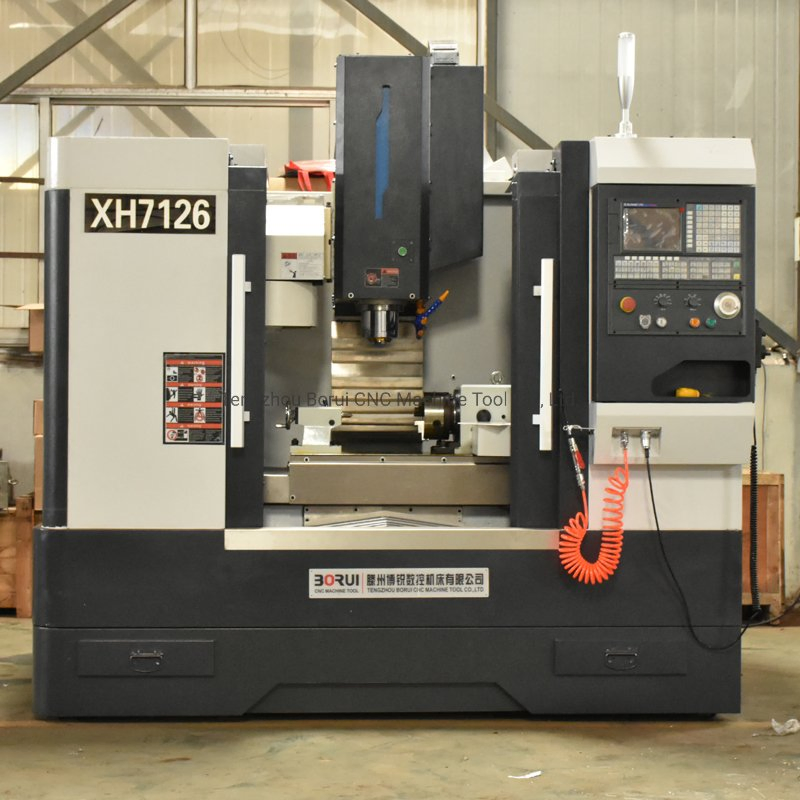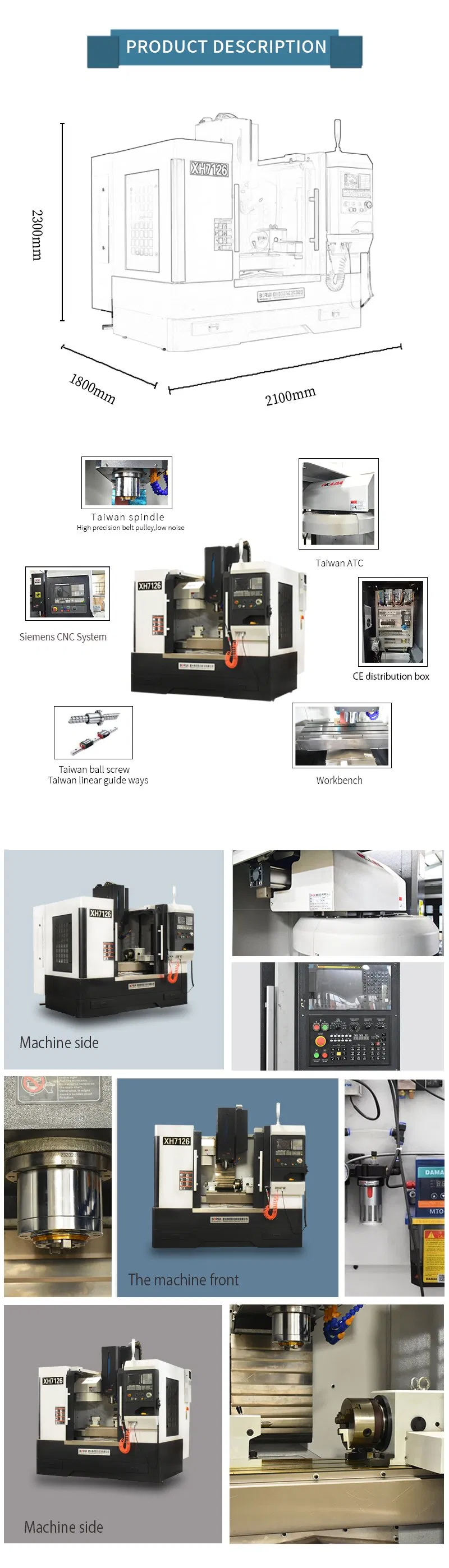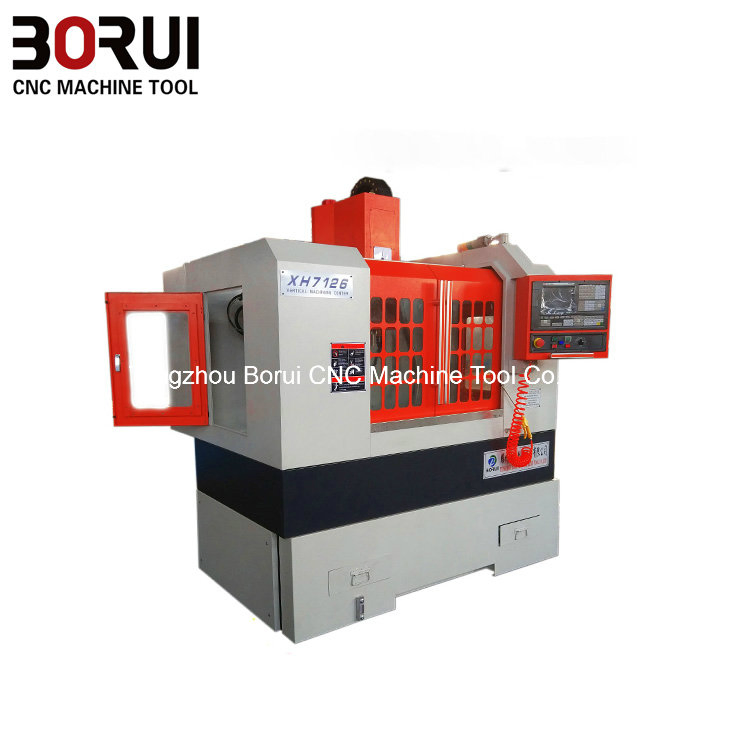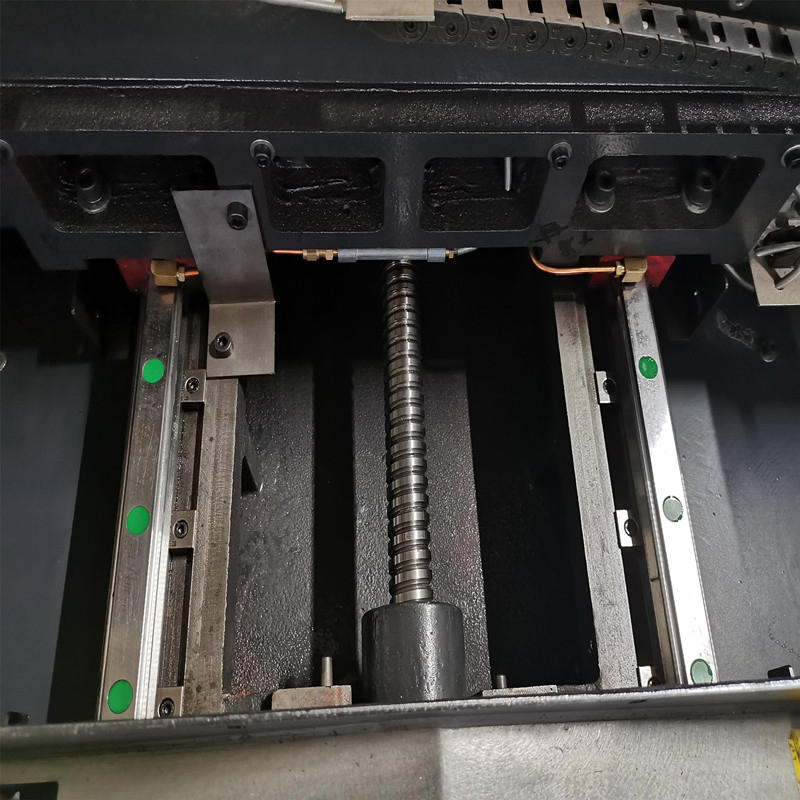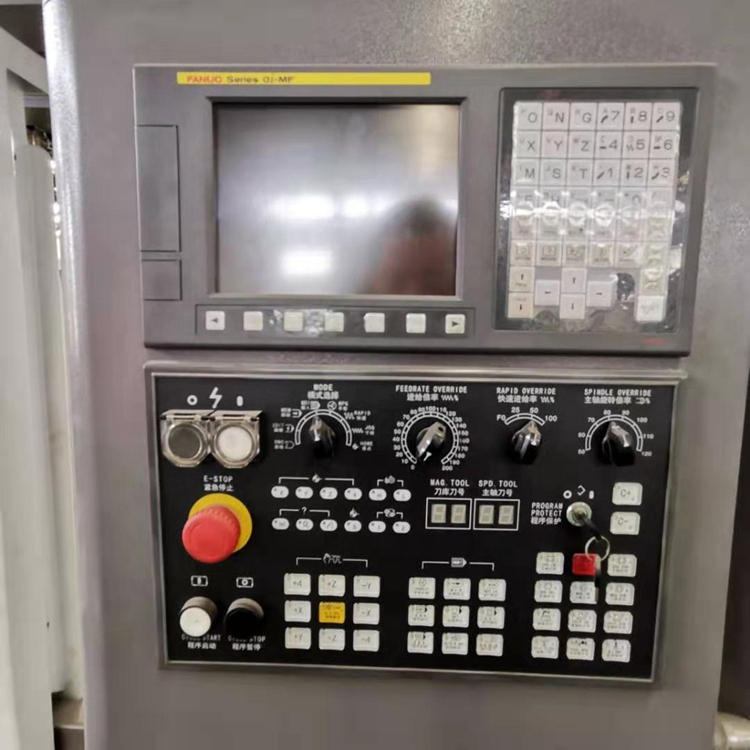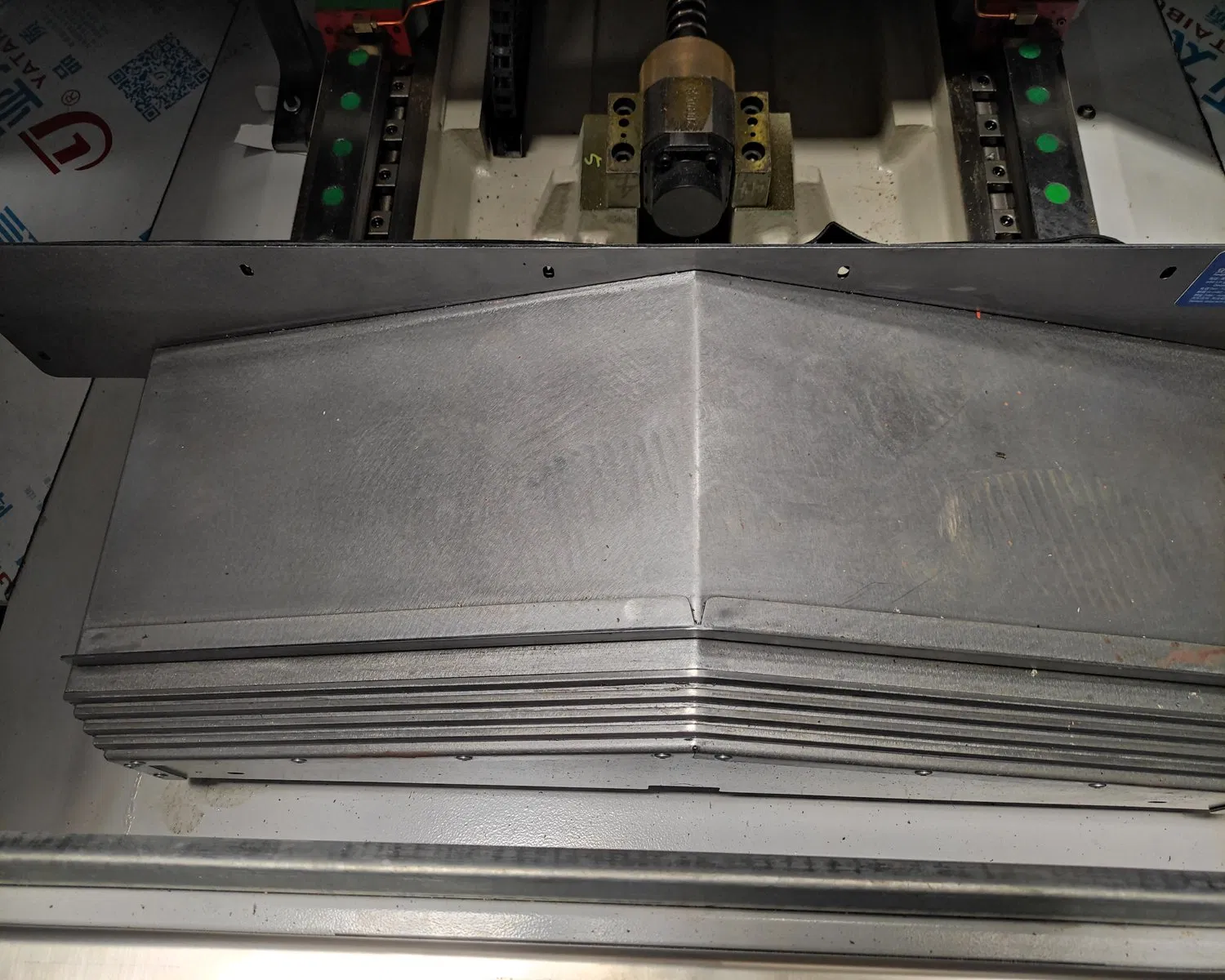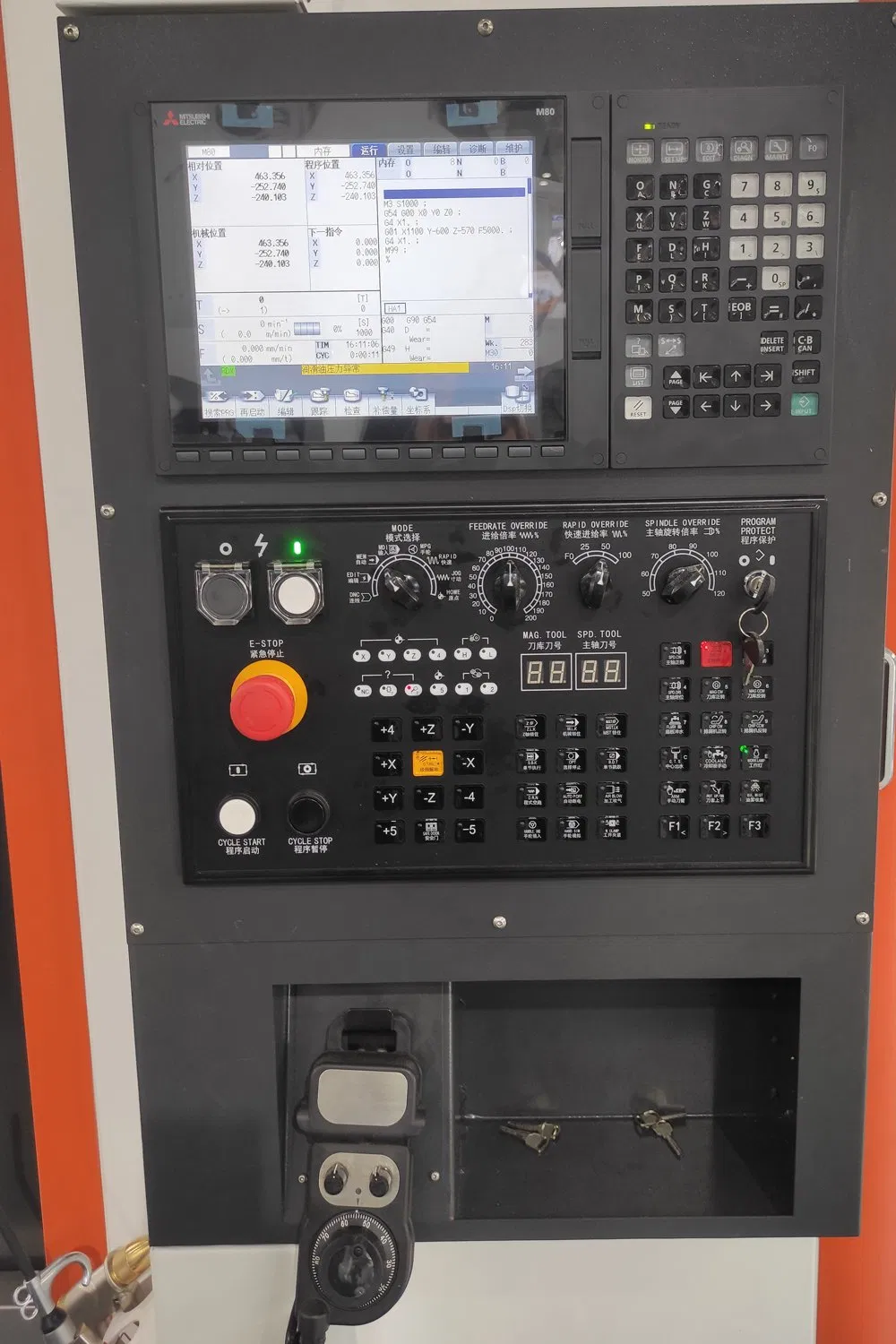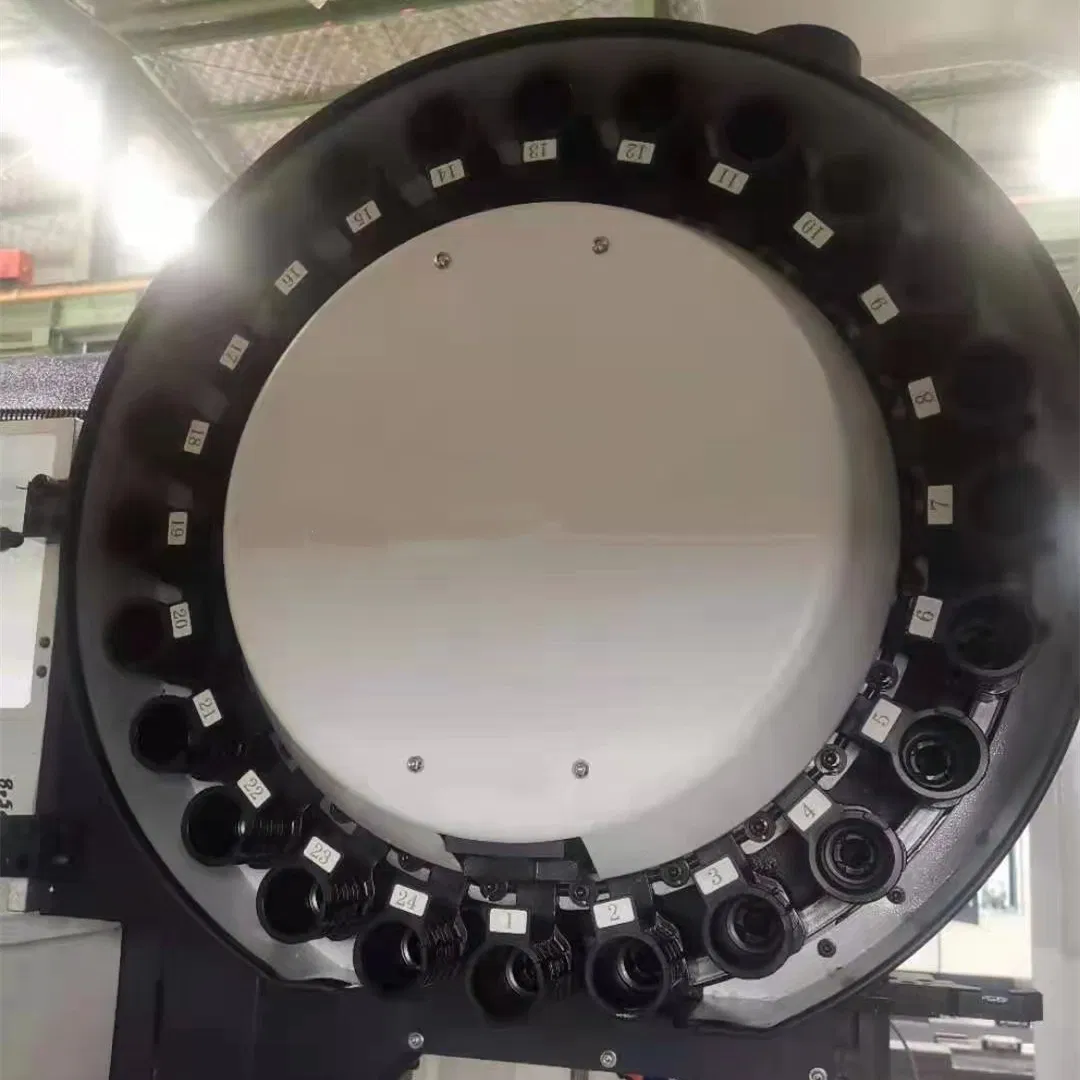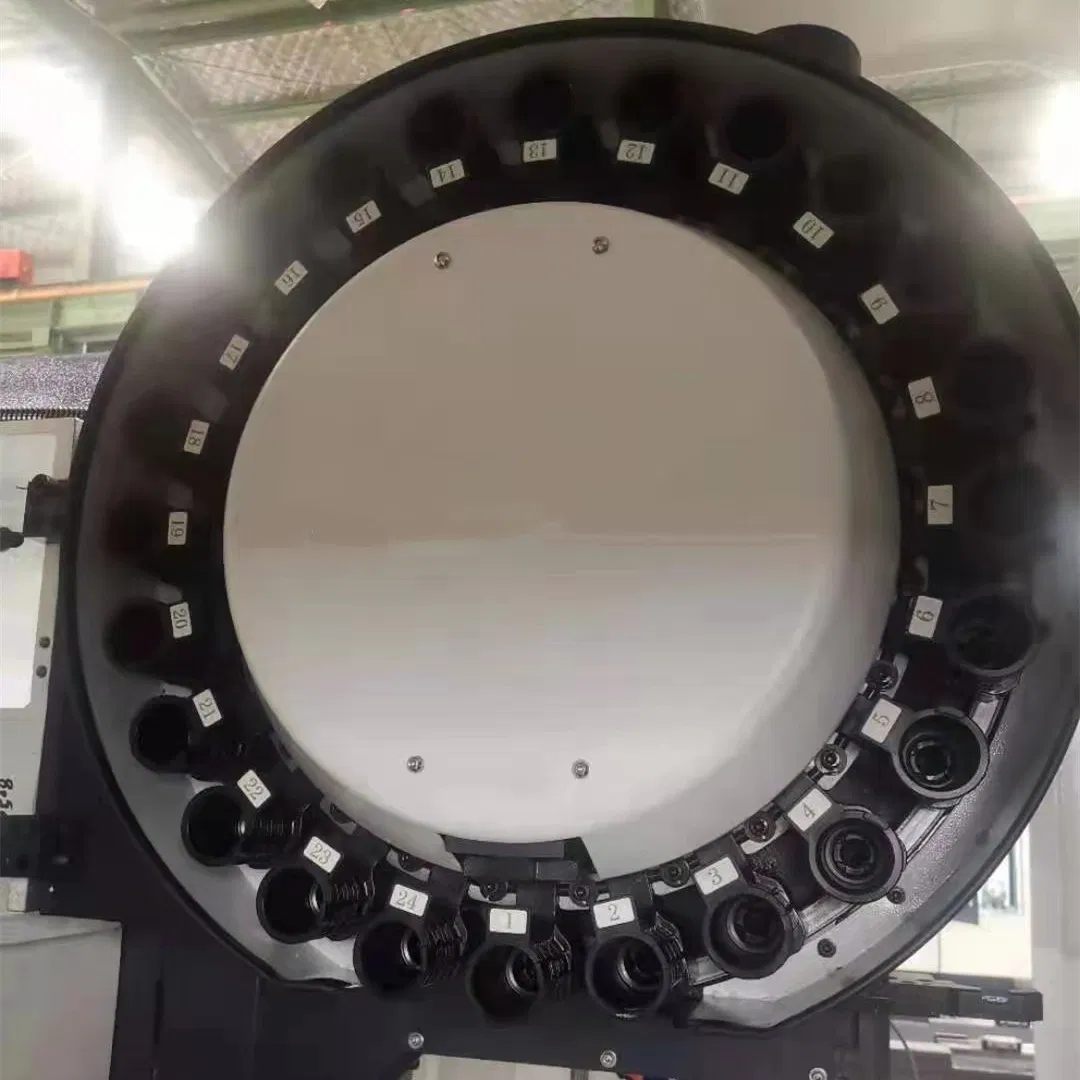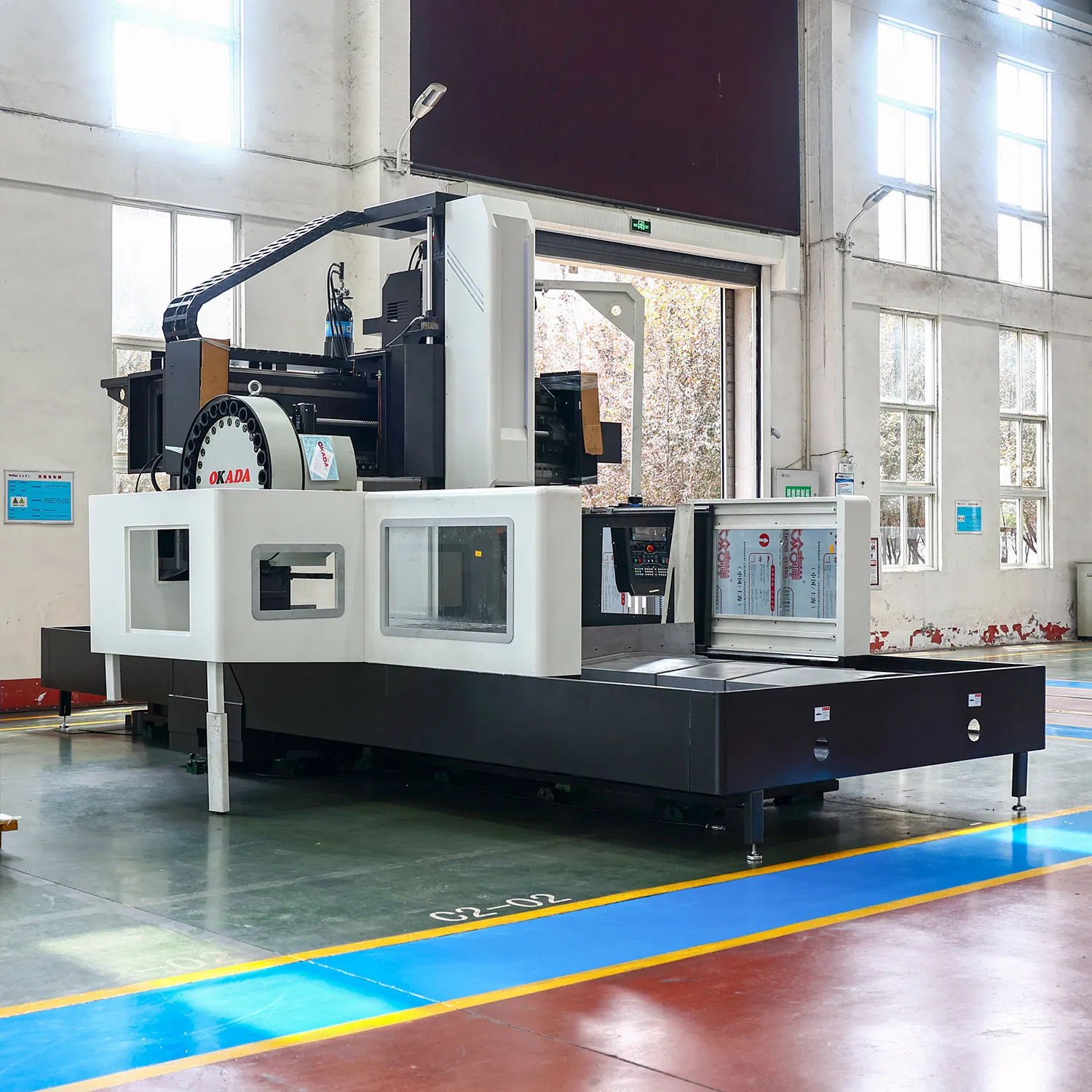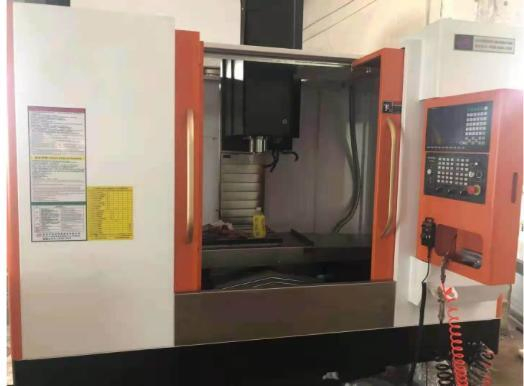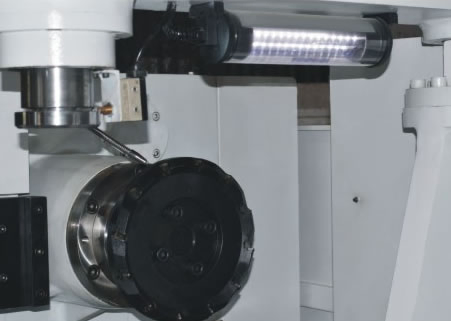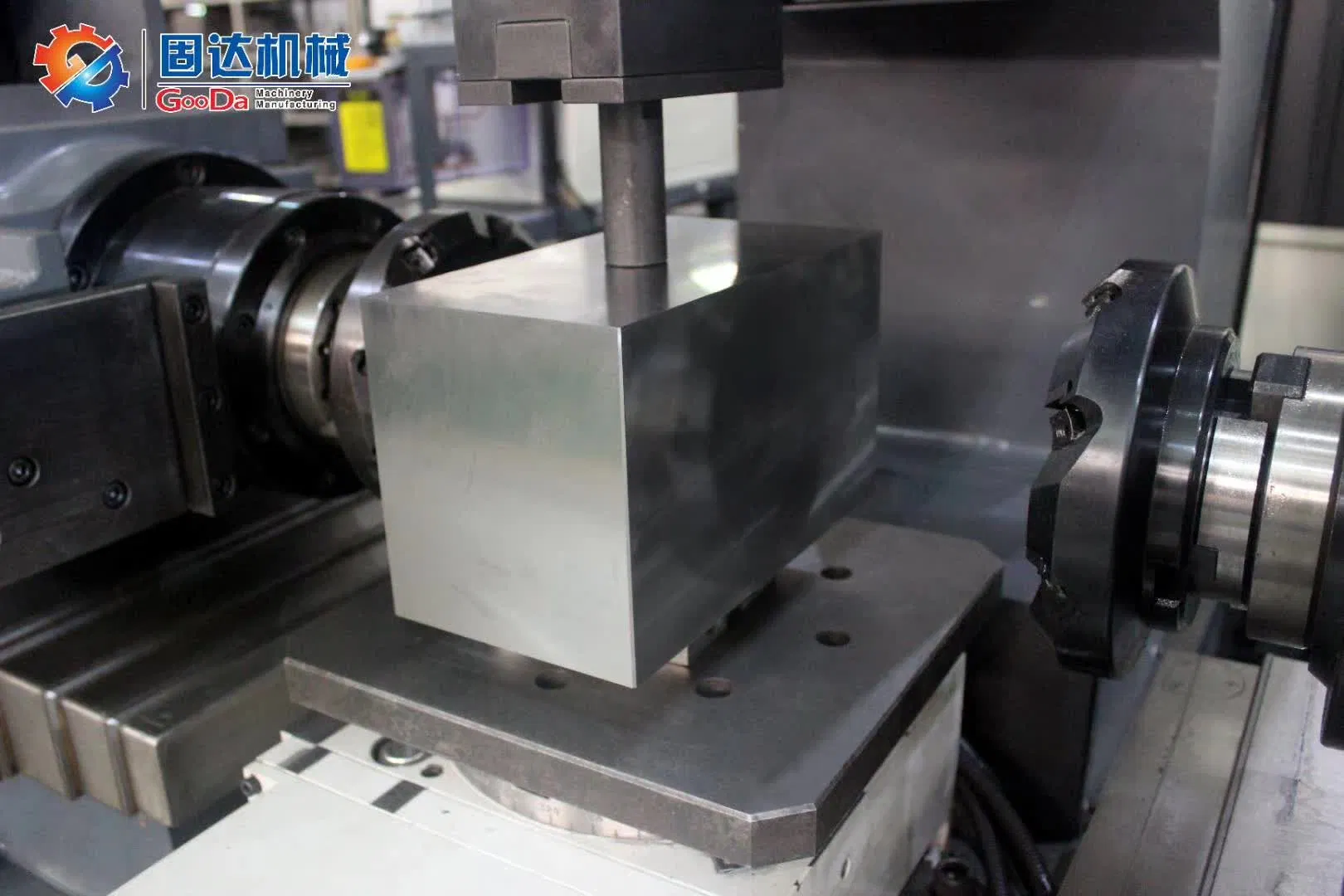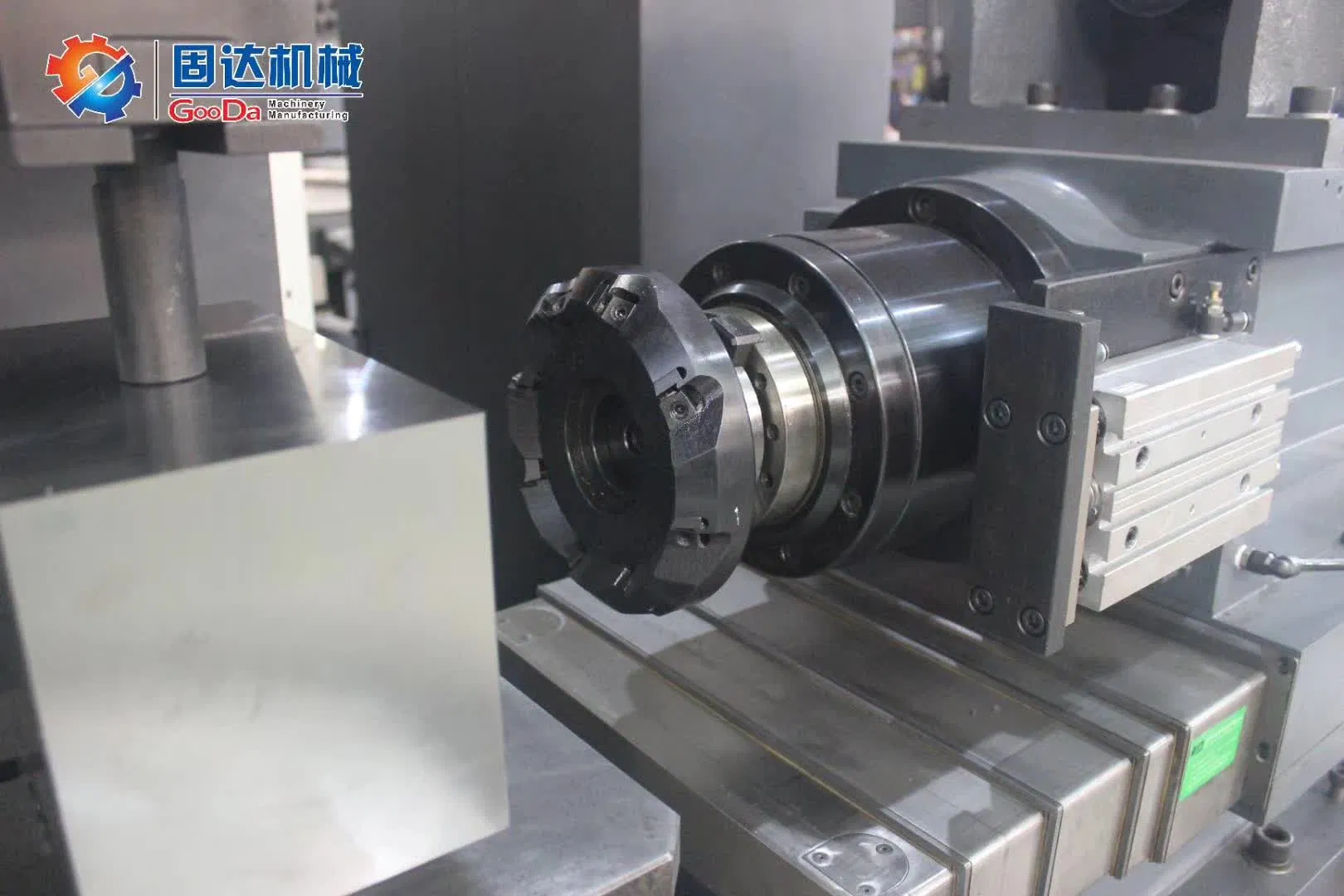
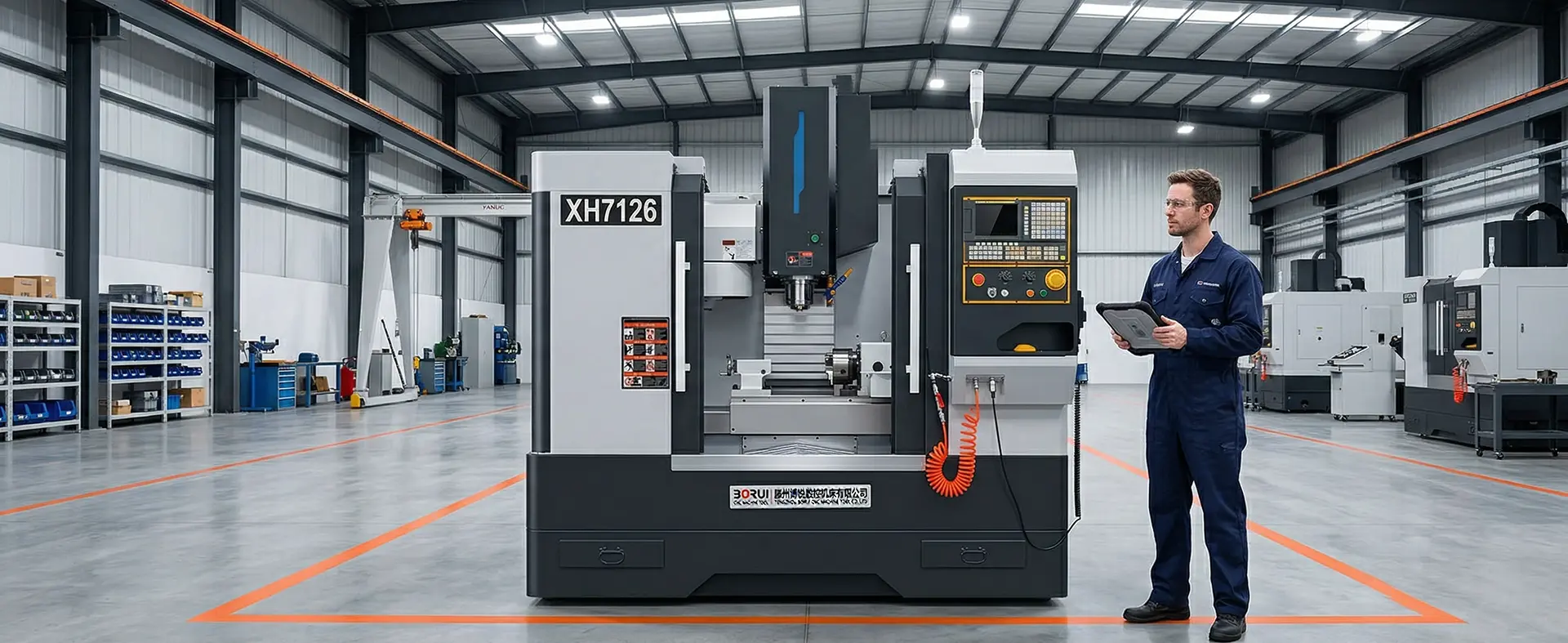
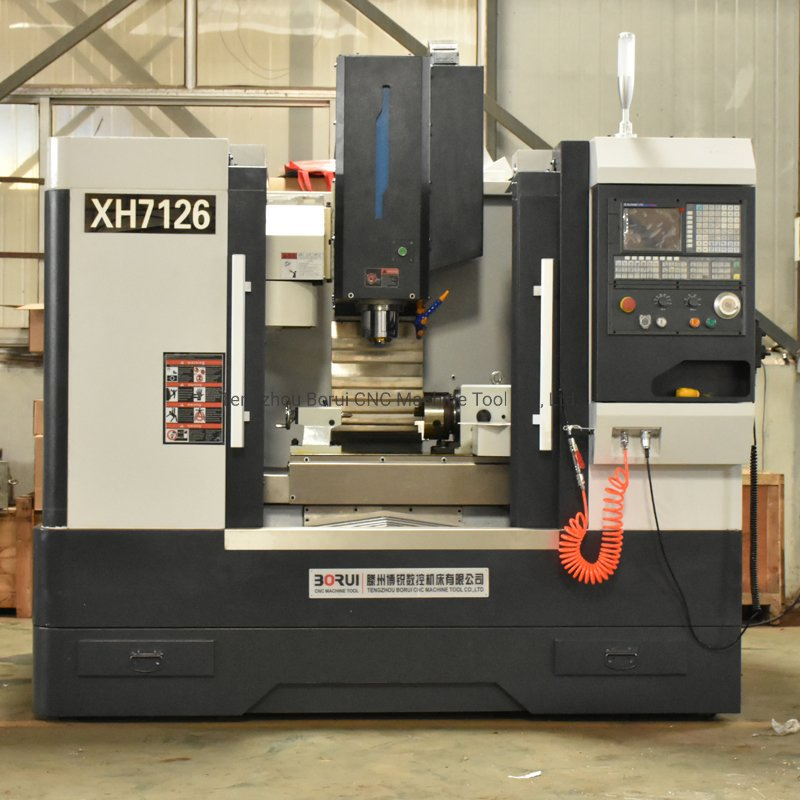
Fanuc High-Speed Linear Rail Metal Milling Machining Center Xh7126
Datang Milling Machine/Face Milling Mcahine

Featured Products

New Products

News

  • What Safety Protocols Should Be Followed When Operating a Springs Tumblast Shot Blasting Machine

    Operating a Springs Tumblast Shot Blasting Machine requires strict adherence to safety protocols to protect personnel, maintain equipment integrity, and ensure consistent surface preparation results. KEEJOO, a trusted name in industrial blasting solutions, emphasizes that even well-maintained machinery can pose risks if safety measures are overlooked. Below are the essential safety protocols organized for clarity and practical application.

  • How do material selection and heat treatment affect ring type special shaped forgings

    Material selection and heat treatment directly determine the mechanical properties, dimensional accuracy, and service life of Ring Type Special-shaped Forgings. At Tongxin, we have observed that even minor changes in alloy composition or tempering cycles can significantly alter how these complex components perform under high stress, thermal cycling, or corrosive environments.

  • How Does an Open Type Double Crank Press Transform Industrial Production?

    The open type double crank press is a cornerstone in modern manufacturing, offering precision, durability, and high efficiency for metal forming processes. This article explores its working principles, advantages, and the reasons why industries are increasingly adopting this versatile machinery.

  • What Happens to Mixing Efficiency When the Volumetric Ratio of Two Feeds Is Highly Unbalanced

    When operating a Volumetric Ratio of Two Feed Mixer, the balance between incoming streams directly dictates mixing quality. A highly unbalanced ratio—such as 10:1 or 20:1—often disrupts dispersion, increases segregation risk, and lowers overall mixing efficiency. Understanding this dynamic is critical for industries using Sinburller precision mixing solutions. This article explores the physical consequences, provides actionable data, and answers common questions about Volumetric Ratio of Two Feed Mixer performance.

  • What is the Typical Return on Investment for a Wrap-around Positioning Labeling Machine in Small Manufacturing Setups

    For small manufacturing businesses, investing in automation often raises one critical question: what is the typical return on investment for a Wrap-around Positioning Labeling Machine in small manufacturing setups? A Wrap-around Positioning Labeling Machine from Kaotesi can deliver ROI within 6 to 12 months for most small-scale producers, primarily through reduced labor costs, minimized label waste, and increased output consistency.

  • What are the main maintenance costs associated with an 800kw Biogas Generator over five years

    Investing in an 800kw Biogas Generator is a significant capital decision for any anaerobic digestion facility. While the fuel is renewable, operational expenditures—especially maintenance—directly impact return on investment. For operators partnering with Kecheng, understanding these predictable costs over a five-year lifecycle ensures financial planning and uninterrupted power generation.

  • How Do Dual-Spindle Configurations in a CNC Gantry Machining Center Affect Overall Machining Efficiency

    In modern manufacturing, the CNC Gantry Machining Center has become indispensable for processing large-scale, high-precision components. When equipped with a dual-spindle configuration, as engineered by Bodiao, the impact on machining efficiency is transformative. By allowing two cutting tools to operate simultaneously on the same workpiece or on two separate parts, dual-spindle setups drastically reduce cycle times while maintaining accuracy.

  • What are the key design parameters affecting the performance of an Electromagnetic Wire Rolling Mill

    When engineers evaluate an Electromagnetic Wire Rolling Mill, performance hinges on several critical design variables. GRM specializes in optimizing these parameters to ensure consistent output, minimal waste, and superior metallurgical properties in conductive wire production. Understanding these parameters allows manufacturers to match mill characteristics to specific material requirements, from soft aluminum to hard copper alloys.

Leave Your Message

  • Click Refresh verification code