

How Do You Maintain a Commercial Potato Peeler Machine to Prevent Rust and Breakdowns
2026-08-18
Walking into a busy commercial kitchen, the hum of preparation is constant. Among the most hardworking pieces of equipment is the Commercial Potato Peeler Machine, a unit that saves hours of labor but demands respect through regular care. Without a structured maintenance routine, even the best Commercial Potato Peeler Machine will succumb to rust, motor fatigue, and costly downtime. This guide outlines a professional maintenance framework that keeps your Commercial Potato Peeler Machine in peak condition, drawing on industry best practices and the engineering standards upheld by SYBO, a brand known for durable peeling solutions.
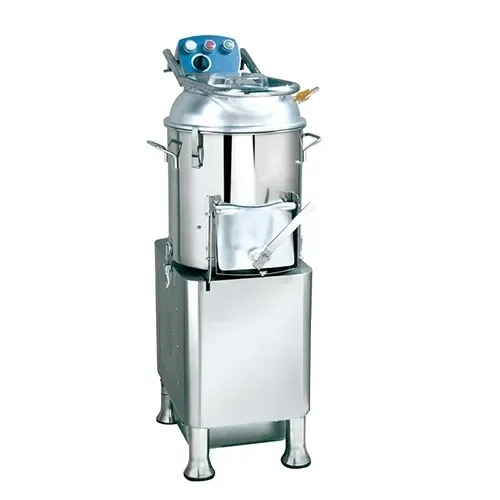
The 5-Point Daily Maintenance Routine
Daily attention prevents 80% of common failures. The following checklist should be completed after each production shift.
| Task | Action | Why It Matters |
|---|---|---|
| External Wipe-Down | Use a damp cloth with mild detergent; dry immediately with a microfiber towel. | Trapped moisture against painted surfaces initiates pitting corrosion. |
| Peeling Chamber Rinse | Run the drum with clean water for 30 seconds, then drain completely. | Residual starch and acids accelerate metal degradation. |
| Abrasive Disc Inspection | Check for worn carborundum grit; replace if peeling efficiency drops by 20%. | Uneven discs cause vibration, leading to bearing misalignment. |
| Drive Belt Tension | Press the belt midpoint; deflection should not exceed ½ inch. | Loose belts slip and overheat the motor; tight belts strain the shaft. |
| Drain Valve Cleaning | Remove and rinse the screen filter; clear any potato skin debris. | Blocked valves trap water inside the drum, a primary rust source. |
Weekly Deep-Clean Protocol
Every seven days, a more thorough intervention is required. This is where you move beyond surface care into mechanical preservation.
-
Lubrication of Moving Parts – Apply food-grade grease to the main shaft bearing and the pivot points of the lid hinge. SYBO recommends using a grease with rust inhibitors, applied sparingly (two pumps per point) to avoid attracting dust.
-
Electrical Connection Audit – With the unit unplugged, tighten all terminal screws inside the junction box. Loose connections generate heat, which dries out insulation and increases resistance. Check the power cord for cracks or pinch points.
-
Rubber Feet and Floor Stability – Ensure the machine sits level on all four feet. An unbalanced Commercial Potato Peeler Machine creates harmonic vibrations that loosen fasteners and fatigue the motor mount.
Monthly Preventive Overhaul
Once a month, dedicate 30 minutes to these critical checks that directly influence rust prevention and mechanical longevity.
-
Inspect the Drive Shaft Seal – This rubber gasket prevents water from migrating into the gearbox. If you notice mineral deposits or dampness around the seal, replace it immediately. Water ingress is the number one cause of gearbox corrosion.
-
Test the Emergency Stop Function – Activate the E-stop while the drum is spinning. The machine should halt within 2 seconds. A delayed stop indicates brake pad wear or relay sticking – both precursors to sudden breakdowns.
-
Clean the Ventilation Grilles – Use compressed air to blow out flour dust and starch residue from the motor housing. Overheating accounts for 35% of all motor failures in commercial peelers.
The Role of Water Quality in Rust Prevention
Many operators overlook the water feeding their Commercial Potato Peeler Machine. Hard water with high chloride content aggressively attacks stainless steel grades 304 and 430. SYBO engineers recommend installing an inline water softener if your total dissolved solids (TDS) exceed 200 ppm. Additionally, always run the machine dry for 10 seconds after the final rinse – this centrifugal action flings residual droplets off the drum wall and shaft.
Lubrication Schedule and Product Selection
| Component | Lubricant Type | Frequency | Approved Brand Example |
|---|---|---|---|
| Main Bearing | NLGI #2 Food-Grade Grease | Weekly | Chevron FM Grease |
| Drive Chain (if equipped) | Food-Safe Chain Oil | Bi-Weekly | Klüberbio CH 2 |
| Shaft Threads | Anti-Seize Compound | Monthly | Loctite LB 8008 |
| Lid Hinge Pin | Light Mineral Oil | Daily | 3-in-1 Food Grade |
Stick to this schedule, and your Commercial Potato Peeler Machine will outlast its expected 7-year service life by a significant margin.
Common Breakdown Signals – And How to Respond
| Symptom | Root Cause | Immediate Action |
|---|---|---|
| Grinding noise during start-up | Dry bearing or foreign object in drum | Stop machine; inspect bearing; remove debris |
| Peeling takes twice as long | Worn abrasive disc or loose belt | Replace disc; adjust belt tension |
| Water leaks from under the unit | Cracked drain hose or failed shaft seal | Replace hose; order seal kit from SYBO |
| Machine won't start | Tripped thermal overload or faulty capacitor | Reset breaker; test capacitor with multimeter |
Frequently Asked Questions About Commercial Potato Peeler Machine Maintenance
Q: How often should I replace the abrasive discs on a Commercial Potato Peeler Machine?
A: Disc replacement intervals depend on throughput volume. For operations peeling 200–300 pounds per day, replace discs every 4–6 months. High-volume plants (over 800 pounds daily) should change discs every 8–10 weeks. A simple field test: place a raw potato on the disc and time how long it takes to remove 90% of the skin. If it exceeds 45 seconds (versus 20–25 seconds for a new disc), replacement is due. Always replace both discs simultaneously to maintain rotational balance and prevent shaft wobble.
Q: Can I use stainless steel cleaner or vinegar to remove rust spots from my Commercial Potato Peeler Machine?
A: Avoid vinegar, citrus-based cleaners, or any acid-containing solutions. These strip the passive chromium oxide layer that protects stainless steel, actually accelerating future rust. Instead, use a dedicated stainless steel passivation cleaner (citric-acid-free) or a nylon abrasive pad with soapy water. For existing light rust, apply a commercial rust remover specifically formulated for food equipment, then neutralise with baking soda and water, rinse thoroughly, and dry immediately. SYBO offers a certified cleaning kit that preserves metal integrity.
Q: What is the single most common mistake that leads to motor breakdown in a Commercial Potato Peeler Machine?
A: Overloading the drum beyond its rated capacity. Most 50-pound units are designed for 30–35 pounds of potatoes per cycle to allow adequate tumbling action. When overloaded, the motor draws excessive amperage, the thermal overload trips repeatedly, and the windings gradually degrade from heat stress. Secondarily, running the machine with a wet floor underneath – moisture wicks up into the motor base through capillary action. Always keep the machine on a raised, drained platform and strictly weigh each batch. Following these two rules eliminates over 60% of motor-related service calls.
Final Word – Protect Your Investment Through Consistency
A Commercial Potato Peeler Machine is not a set-and-forget appliance. It is a precision instrument that rewards systematic care with years of flawless performance. By integrating the daily, weekly, and monthly practices outlined above, you slash repair costs, reduce food safety risks from flaking rust, and maintain consistent peeling quality that keeps your kitchen running smoothly.
SYBO stands behind every machine with technical documentation, spare parts support, and maintenance training for your staff. When you choose SYBO, you are not just buying a machine – you are adopting a maintenance partnership.
Contact us today to request a free maintenance wall chart, order genuine replacement parts, or schedule a virtual walkthrough with our service engineers. Our team is ready to help you extend the life of your Commercial Potato Peeler Machine and maximise your kitchen’s productivity. Reach out via our website or call your regional SYBO representative – we respond within one business hour. Your machine deserves the best care, and we are here to deliver it.