

Dosing System Supplier: How to Find a Trusted Partner for Accurate Fluid Management
2026-08-25
Precision in fluid management isn’t a luxury—it’s the difference between consistent output and costly downtime. Yet finding a dosing system supplier who truly understands your process can feel like searching for a needle in a haystack. From chemical metering to food-grade batching, the right partner does more than sell equipment; they help you engineer reliability. In this guide, we’ll walk through what to look for—and why Fanchang Machinery is earning a reputation as a trusted name in accurate dosing solutions.
The Truth About Turndown Ratios and Real-World Accuracy
Most spec sheets make turndown ratio sound like a promise: a meter rated 100:1 will hold its accuracy from full flow down to one percent of that range. The reality is messier. A turndown ratio is typically calculated under ideal, controlled conditions—clean fluid, stable temperature, a specific Reynolds number window. In an actual installation, elbows, pulsation, built-up deposits, or shifting viscosity quietly eat away at that low-end performance. You may still get a reading at 1% of full scale, but whether it stays within the published accuracy band is another matter entirely.
That gap between spec-sheet math and field behavior is where real-world accuracy gets decided. The useful turndown is often far lower than the headline number once you factor in installation effects, calibration drift, and the simple truth that most processes rarely operate at the extremes for long. A better approach is to look past the maximum ratio and ask how the device performs across the range you actually use. If your minimum flow sits well above the meter's true repeatable floor, the inflated number stops mattering—and you get accuracy you can trust.
Don't Buy a Dosing Pump Until You've Asked About Support Response Times
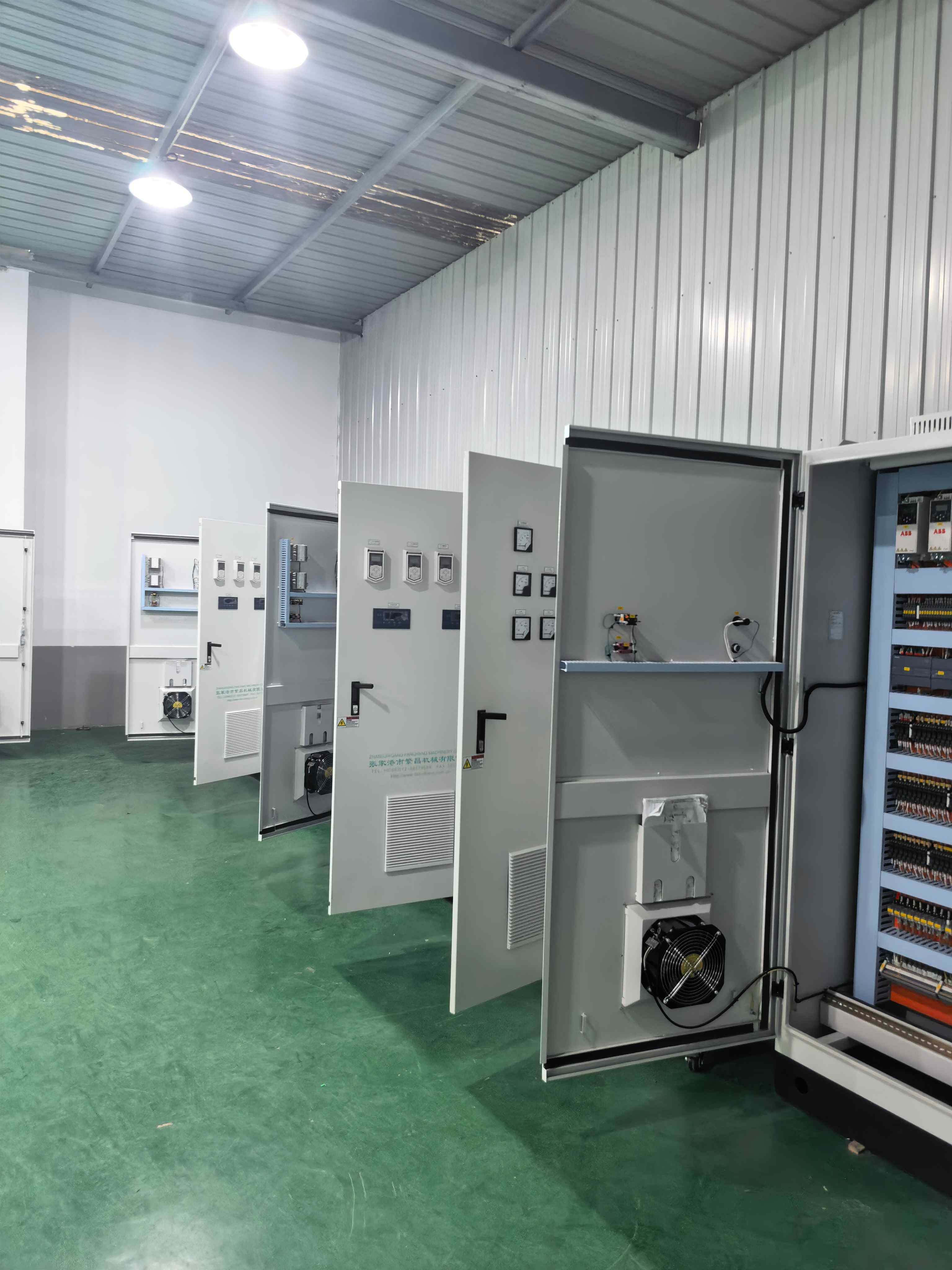
Buying a dosing pump seems like a simple spec-sheet decision until something goes sideways mid-process. The pump might be robust, the flow rate spot-on, but what happens when the controller throws an error at 11 p.m. on a Saturday? Most vendors list a phone number and a vague promise of "industry-leading support," yet that means nothing if you're stuck waiting days for a callback while your production line sits idle. Ask the hard question before signing: "What's your actual response time for a critical failure, and what does that look like on weekends or holidays?" If they hesitate or bury it in jargon, walk away.
Support response time isn't just about fixing a broken pump—it's about the cost of every minute your process is down. A dosing pump tied to chemical injection or nutrient delivery rarely fails at a convenient moment. The difference between a vendor who picks up in 30 minutes with a remote diagnostic and one who sends an email reply three days later can easily swallow any initial savings you thought you'd found on the purchase order. Demand specifics: Do they offer 24/7 live technical staff, or are you leaving voicemails for an on-call engineer who might be in a different time zone? Will they ship a loaner pump overnight, and at whose expense? These answers expose the real support infrastructure behind the glossy brochure.
A genuine support commitment changes how the vendor designs the product too. Companies that answer the phone quickly tend to log every failure, build better remote troubleshooting tools, and stock critical spare parts instead of drop-shipping from overseas. When you ask about response times, you're not being difficult—you're testing whether they treat downtime as your emergency or their inconvenience. So before you hand over the credit card, pin them down: "If my pump alarms at 2 a.m., exactly who picks up, how fast, and what happens next?" The answer you get tells you more about the next five years of ownership than any flow curve ever will.
Chemical Compatibility Is Where Many Suppliers Cut Corners
It starts with a simple question: what will actually be flowing through the line? A supplier that takes chemical compatibility seriously wants to see the full list of fluids, concentrations, and temperature ranges before quoting a single part. The ones cutting corners will nod along, promise universal resistance, and ship something that swells, cracks, or leaches after three months.
The real difference shows up in the details nobody likes to discuss. Additives, trace solvents, cleaning agents, even the humidity in the room can change how a polymer behaves. Cheap suppliers skip the long-term exposure data and rely on a generic compatibility chart from a decade ago. That chart might be fine for water, but it says nothing about the aggressive blend your process actually uses.
When a seal or diaphragm fails early, it is rarely because the material was defective on day one. It is because the supplier matched the headline chemical and ignored everything else in the stream. Ask how they verify compatibility under your actual operating conditions. If the answer is a shrug and a PDF, you have found the corner that was cut.
Modular Design vs. Custom Engineering: Which Saves You More?
The real answer depends on how closely your requirements match what's already on the shelf. Modular design starts saving you money immediately because you're buying pre-tested components or libraries. There's no lengthy development cycle, fewer unexpected bugs, and upgrades often mean swapping one module rather than reworking a whole system. But that convenience comes with a price tag tied to someone else's product roadmap—you might pay for capabilities you never use or find yourself constrained by an interface that doesn't quite fit.
Custom engineering flips the equation. The upfront cost is almost always higher: design time, prototyping, testing, and documentation all sit on your side of the invoice. However, if your process has a unique bottleneck or you need a very specific footprint, a custom solution can eliminate workarounds. For example, a bespoke conveyor system built for an odd-shaped part might run 15% faster than a modular alternative that requires extra guiding rails. Over five years, that speed difference often outweighs the initial saving.
A practical way to decide is to list every function you actually need, then compare the modular quote against a realistic custom estimate that includes maintenance and future changes. If you can cover 80% of the requirements with standard modules, modular design will usually save you more. If you're forcing three different modules to cooperate in ways they weren't intended to, custom engineering may be cheaper in the long run because you're not paying for complexity you created.
How to Verify a Supplier's Claim of 'Industry Experience'
Ask for concrete project timelines and client references that match your own manufacturing niche. A supplier who claims ten years in medical device packaging should produce not just a list of past clients, but dated purchase orders, material traceability logs, and a handful of former customers willing to talk about late shipments or rejected lots. Broad statements like "we have decades of combined experience" fall apart under this kind of request.
Then cross-check what they tell you against public and physical records. Look for equipment acquisition dates, safety inspection reports, utility consumption patterns, or even worn floor markings that suggest long-term use. A fabrication shop that truly served automotive clients for eight years will show repair tags on its laser cutters from 2018, not just a fresh paint job and a borrowed photo gallery.
Finally, send someone on the ground or visit without notice. Ask the shop floor staff, not the sales manager, about the tricky customer they handled last season or the odd material they had to bend. Genuine experience lives in the details people mention offhand, while a fabricated history tends to stay on the website and in polished PDFs.
The Total Cost of Ownership Conversation Most Quotes Leave Out
What usually gets quoted is the visible slice: purchase price, implementation, maybe a year of support. The conversation rarely wanders into the costs that don't show up on an invoice right away. Downtime during migration, the hours your team spends relearning workflows, the slow burn of reduced productivity while everyone adjusts—those numbers can dwarf the original estimate, yet they sit outside the standard TCO lens.
Then there's the hidden side of ownership that vendors prefer not to mention. Custom integrations break when either side updates. Data cleanup before a migration turns into a multi-week archaeology project. Security patches, compliance audits, and the occasional emergency fix add up in ways no spreadsheet anticipates. If a quote doesn't force you to price those risks, it isn't telling the full story.
A better TCO conversation starts with the ugly questions. What happens when the tool goes down for six hours? Who owns the cost of a failed update? How much internal time will maintenance actually consume? Until those answers carry dollar figures, the quote is just a starting point, not a plan.
FAQ
Look for suppliers who treat fluid management as a continuous engineering challenge rather than a one-off transaction. Trusted partners invest time in mapping your specific viscosity ranges, flow rates, and chemical compatibility before recommending hardware. They also provide clear documentation and are willing to run pilot tests with your actual fluids, not just demos with water.
Ask the supplier to demonstrate repeatability under real operating conditions, including temperature swings and pressure fluctuations. A practical approach is to request a tolerance test over a full shift, not just a single calibration point. Reputable suppliers will walk you through the measurement uncertainty budget and explain how their pumps or flow meters maintain setpoint stability over time.
Accuracy is rarely just about the pump head or valve. A strong supplier helps you integrate closed-loop feedback, such as mass flow or Coriolis meters, so dosing adjusts automatically when upstream conditions drift. They should also advise on signal latency, sensor placement, and control algorithm tuning to avoid overshoot or lag that ruins batch consistency.
It depends on your fluid's behaviour and your tolerance for rework. Standard packages can work for simple, stable fluids, but custom skids pay off when you handle shear-sensitive polymers, abrasive slurries, or fluids that outgas. A dependable supplier will first challenge the need for customization, then design only the parts that truly reduce variability, keeping long-term maintenance in mind.
Watch for suppliers who push a single technology for every fluid, avoid discussing failure modes, or cannot reference long-term installations similar to yours. Also be wary if they promise extreme accuracy without mentioning verification methods or calibration intervals. Trusted partners are open about limitations and offer service-level agreements that include periodic performance audits.
It's essential. Dosing systems drift due to seal wear, sensor fouling, or software updates. A responsible supplier provides scheduled maintenance plans, remote diagnostics, and spare parts availability that matches your production calendar. They should also train your operators to spot early warning signs, not just sell a warranty that only covers catastrophic failure.
Bring a sample of your fluid, a realistic flow range, ambient conditions, and any existing pain points like clogging or inconsistent batches. The best discussions happen when you share current process data, however rough. A competent supplier will ask targeted questions about viscosity, temperature, and chemical interactions before quoting anything.
Conclusion
When evaluating dosing system suppliers, the numbers on a datasheet rarely tell the whole story. Turndown ratios often reflect idealized lab conditions rather than actual process variability, so you need to ask for test data from installations similar to yours. A supplier who hesitates to share that information or cannot explain how viscosity, pressure swings and wear affect repeatability is already revealing something important. Chemical compatibility deserves equal scrutiny. Wetted materials, seal choices and diaphragm compounds must be matched not just to the primary chemical but to cleaning agents, byproducts and temperature extremes. The cheapest quote often hides substitutions that fail within months. Support response time matters too: if a metering issue halts production, waiting days for a technician is not acceptable. Request written service-level commitments and talk to existing customers about what actually happens when a pump goes down.
Beyond technical claims, look at how the supplier approaches engineering and cost. Modular platforms can reduce spares inventory and make future capacity changes simpler, but poorly integrated modules create leak points and calibration drift. Custom engineering, on the other hand, may solve a unique challenge yet leave you dependent on a single vendor for every replacement part. Ask to see drawings, tolerance standards and assembly procedures rather than marketing brochures. To verify "industry experience," avoid vague statements about decades in business. Instead, request case studies that name specific fluids, flow ranges and operating environments, then contact those references directly. Finally, insist on a total cost of ownership calculation that includes energy consumption, maintenance labor, spare parts, recalibration frequency and expected downtime. A trustworthy supplier will welcome that conversation because accurate fluid management is measured over years, not just at startup.
Contact Us
Contact Person: Darye WANG
Email: [email protected]
Tel/WhatsApp: 86-13501017897
Website: https://www.fcntd.com/