

OEM Dust Collector Solutions: Enhancing Performance and Efficiency
2026-04-04
In the industrial world, maintaining optimal air quality is crucial for both performance and health, yet many overlook the power of Fanchang Machinery's OEM dust collector solutions. Imagine reducing downtime while boosting efficiency—these systems do just that, tailored to your specific needs. In this blog, we'll explore how Fanchang Machinery's innovations not only capture dust but transform operations, leading to cleaner air and smoother workflows. Ready to uncover the secrets behind enhanced performance? Dive in to learn more.
Advanced OEM Dust Collection Systems for Peak Industrial Performance
When industrial environments demand the highest level of dust and particulate control, advanced OEM dust collection systems rise to the challenge, providing tailored solutions for peak performance. These systems go beyond off-the-shelf models by offering customizable designs that integrate seamlessly into existing production lines, addressing specific dust types and volumes unique to each facility. By leveraging engineering expertise, they ensure consistent airflow and capture efficiency, minimizing downtime and enhancing operational safety in high-intensity settings.
What sets these advanced systems apart is their focus on long-term sustainability and energy efficiency, often incorporating smart controls and automated features that adapt to real-time conditions. This not only reduces waste and maintenance costs but also supports compliance with stringent environmental regulations. With a commitment to precision, they deliver reliability that keeps industrial processes running smoothly, even in the most demanding applications.
Ultimately, investing in an advanced OEM dust collection system translates to improved productivity and a cleaner work environment, safeguarding both equipment and personnel. By prioritizing performance and adaptability, these systems help industries achieve their operational goals while maintaining a competitive edge in today's fast-paced market.
Innovative Filtration Technologies to Boost Dust Collector Efficiency
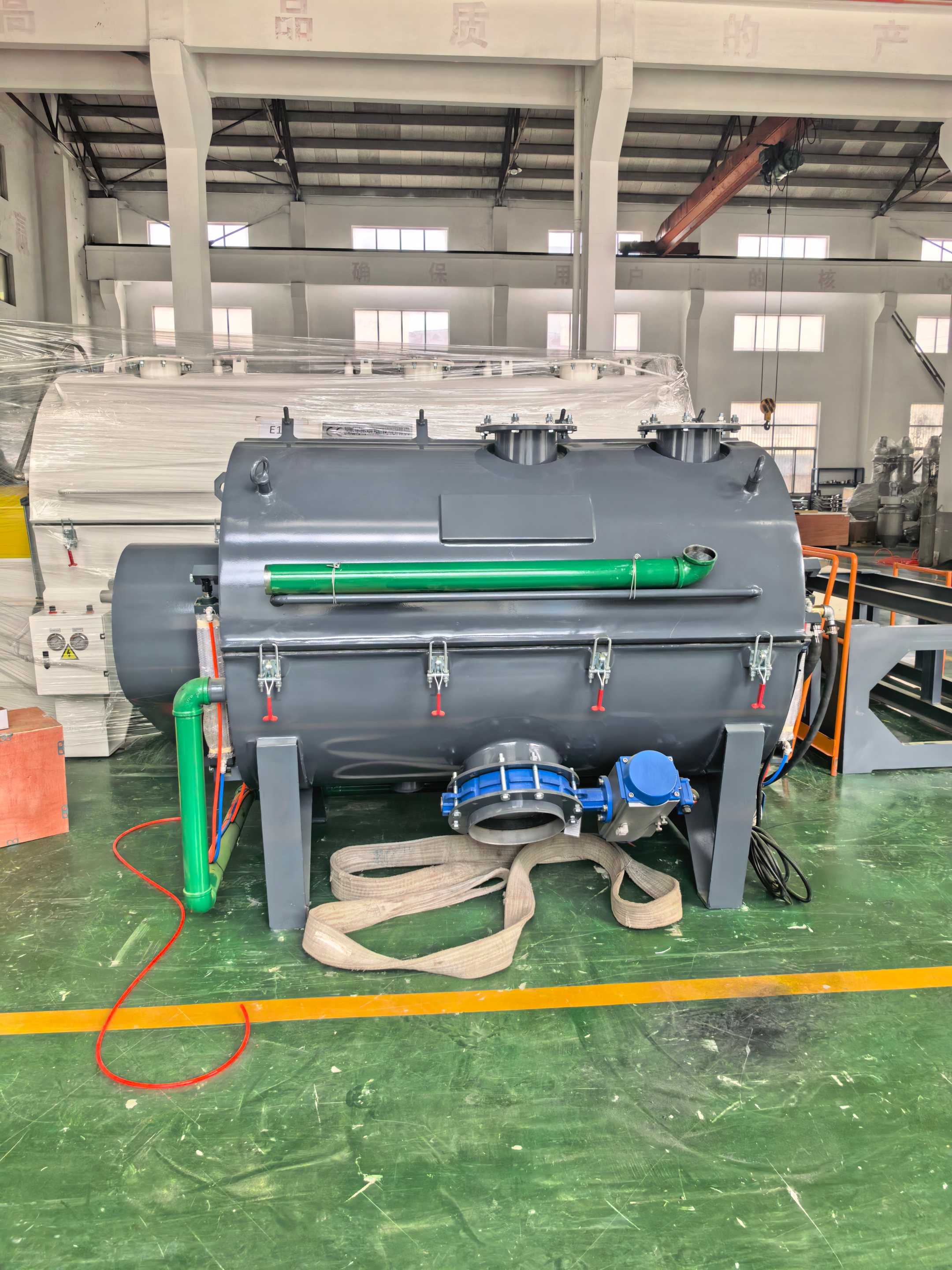
Innovative filtration technologies are revolutionizing dust collector efficiency by incorporating smart materials and adaptive systems. For example, self-cleaning filters that use pulse-jet mechanisms can automatically release bursts of air to dislodge accumulated dust, reducing maintenance downtime and ensuring consistent airflow. These advancements are not just about catching particles but also about optimizing energy consumption, as they allow dust collectors to adjust their operational intensity based on real-time sensor data, leading to significant cost savings and improved environmental compliance.
Beyond traditional methods, emerging technologies like nanofiber filters and electrostatic precipitators offer enhanced particle capture without the pressure drop issues common in older systems. Nanofibers, with their ultra-fine structure, can trap sub-micron particles more effectively, making dust collectors suitable for industries with stringent air quality standards. Meanwhile, electrostatic systems use electric charges to attract and collect dust, providing a high-efficiency solution that minimizes wear and tear on mechanical components, thereby extending equipment lifespan and boosting overall reliability in demanding applications.
Integration of IoT and machine learning into dust collector systems marks another frontier in boosting efficiency. Connected sensors monitor variables such as filter condition and dust concentration, feeding data into algorithms that predict maintenance needs and optimize cleaning cycles. This proactive approach prevents unexpected breakdowns and enhances operational continuity, making dust collectors not just passive filters but intelligent assets that contribute to safer workplaces and more sustainable industrial processes.
Customized Solutions for Enhanced Air Quality and Operational Safety
Tailoring air quality and safety measures to specific operational environments ensures optimal performance while minimizing risks. Instead of relying on generic approaches, our solutions analyze unique factors like facility layout, process flows, and local regulations. This customization not only improves air purity but also integrates seamlessly with daily operations, fostering a safer, more productive workplace. By focusing on individual needs, we help organizations achieve compliance and boost employee well-being without disrupting efficiency.
Enhanced operational safety is achieved through advanced monitoring systems that detect and address air contaminants in real-time. Our customized setups include sensors and automated controls designed for diverse industries, from manufacturing to healthcare, ensuring that air quality thresholds are consistently met. This proactive approach reduces incidents like equipment malfunctions or exposure hazards, directly supporting a culture of safety. By prioritizing site-specific challenges, we deliver resilient solutions that adapt to evolving operational demands and environmental standards.
Beyond standard measures, we emphasize collaborative development with clients to refine solutions over time. By conducting regular assessments and integrating feedback, we ensure that air quality and safety protocols remain effective as operations change. This ongoing partnership enables continuous improvement, helping businesses stay ahead of regulatory requirements and emerging risks. Ultimately, our customized approach transforms air management from a compliance task into a strategic asset, enhancing overall operational resilience and sustainability.
Energy-Saving Designs for Cost-Effective and Sustainable Dust Management
In the pursuit of sustainable dust management, energy-saving designs play a critical role by minimizing power consumption without compromising operational efficiency. These innovations often integrate smart sensors and automated systems that adjust ventilation or filtration based on real-time dust levels, significantly cutting down energy waste. By focusing on such intelligent controls, industries can maintain a clean environment while achieving substantial cost savings over the long term.
Cost-effective approaches in this context go beyond initial investments, emphasizing ongoing operational reductions through durable materials and modular setups. For instance, using low-resistance air filters or regenerative dust collection technologies not only lowers maintenance expenses but also enhances energy efficiency. This dual focus on upfront affordability and long-term sustainability makes these designs particularly appealing for businesses aiming to reduce their environmental footprint without sacrificing performance.
To stand out in competitive markets, some designs incorporate hybrid systems that combine passive elements like natural ventilation with advanced active components, optimizing energy use uniquely. Additionally, leveraging IoT connectivity allows for predictive maintenance and tailored dust management strategies, further boosting resource conservation and operational flexibility. By prioritizing these innovative, user-centric solutions, companies can achieve robust and eco-friendly dust control that adapts to evolving needs and regulations.
Streamlined Maintenance Strategies to Maximize Dust Collector Lifespan
When it comes to keeping your dust collector running smoothly, a proactive approach can make all the difference. Instead of waiting for issues to crop up, implementing streamlined maintenance strategies helps you catch potential problems early on. This might involve setting up regular inspections of key components like filters and fans, ensuring they're cleaned or replaced before performance dips. By staying ahead of the curve, you not only reduce downtime but also extend the lifespan of your equipment, saving you money and hassle in the long run.
Another effective tactic is tailoring your maintenance plan to the specific demands of your operation. Dust collectors in heavy-use environments, such as woodshops or manufacturing plants, may require more frequent checks compared to those in lighter settings. Consider adopting a schedule based on usage hours or dust load, rather than a fixed calendar interval—it's a more dynamic way to address wear and tear. This customization ensures that maintenance efforts are focused where they're needed most, preventing over-maintenance or neglect that could shorten your collector's life.
Beyond routine tasks, don't overlook the importance of training your team on proper operation and simple upkeep. Educating employees to recognize signs of trouble, like unusual noises or increased dust emissions, can lead to quicker interventions. Combine this with digital tools, such as monitoring sensors that track pressure drops or airflow rates, to add an extra layer of insight. By blending human awareness with tech-driven data, you create a robust system that keeps your dust collector in top shape for years, boosting its durability and efficiency overall.
Smart Integration Features for Seamless OEM Dust Control Applications
In today's fast-paced industrial environment, OEM dust control systems need to work effortlessly with existing machinery. Our smart integration features are designed to do just that. By utilizing plug-and-play interfaces and universal communication protocols, these components can be easily connected to a wide range of equipment. This reduces installation time and minimizes the risk of errors, ensuring that dust control becomes an integral part of the production line without causing disruptions.
Beyond simple connectivity, our solutions offer adaptive monitoring and control capabilities. Embedded sensors continuously track dust levels and system performance, while intelligent algorithms adjust airflow and filtration in real-time based on operational conditions. This proactive approach not only maintains optimal air quality but also enhances energy efficiency by preventing overuse of resources. It's like having a system that thinks on its feet, adapting to your specific needs without manual intervention.
To truly stand out, our integration features include customizable data analytics dashboards. These tools allow operators to visualize dust control performance through intuitive graphs and alerts, enabling quick decision-making. Whether it's identifying trends for preventive maintenance or optimizing settings for different materials, this data-driven insight empowers users to maximize system effectiveness. With seamless integration that blends hardware, software, and user experience, dust management becomes a smarter, more streamlined process.
FAQ
OEM dust collector solutions are custom-designed systems specifically tailored for a client's equipment, offering optimized performance and integration compared to generic models that may not match unique industrial needs.
By precisely matching airflow and filtration to equipment requirements, OEM dust collectors reduce energy consumption, minimize downtime, and improve overall production throughput, leading to cost savings and better resource use.
Factors include the type of dust generated, space constraints, required airflow rates, maintenance accessibility, and compatibility with existing machinery to ensure seamless and effective dust control.
Regular tasks involve inspecting filters for clogs, emptying collection bins, checking seals and connections, and scheduling professional servicing based on usage intensity to prevent efficiency drops.
Yes, custom solutions are designed to capture dust effectively, reducing airborne pollutants and workplace hazards, thus aiding compliance with standards like OSHA and EPA guidelines for a safer environment.
Advancements include smart sensors for real-time monitoring, energy-efficient motors, modular designs for easy upgrades, and enhanced filtration materials that boost durability and capture efficiency.
Conclusion
OEM dust collector solutions are revolutionizing industrial applications by integrating advanced systems and innovative filtration technologies, ensuring peak performance and boosted efficiency. These custom-designed solutions go beyond standard off-the-shelf options, offering tailored approaches that directly address specific operational challenges. By leveraging cutting-edge filtration methods, they effectively capture particulate matter, improving air quality and enhancing operational safety in diverse environments. This focus on customization not only optimizes dust control but also supports sustainable practices through energy-saving designs, reducing costs while minimizing environmental impact.
To maximize the benefits of these systems, streamlined maintenance strategies play a crucial role in extending dust collector lifespan and ensuring reliability. Smart integration features further elevate OEM dust control applications by enabling seamless connectivity with existing industrial processes, fostering efficiency and adaptability. Together, these elements create a comprehensive framework that emphasizes performance enhancement and operational efficiency, making OEM dust collector solutions indispensable for modern industrial settings seeking robust, cost-effective, and sustainable dust management.
Contact Us
Contact Person: Darye WANG
Email: [email protected]
Tel/WhatsApp: 86-13501017897
Website: https://www.fcntd.com/