

Professional Macaroni Production Line: How to Achieve High Efficiency and Quality
2026-08-04
In the competitive world of pasta manufacturing, turning out top-tier macaroni isn’t just about tradition – it’s about precision engineering. Every strand of perfectly formed pasta hinges on the efficiency of your production line. But how do you balance speed, consistency, and quality without compromising one for the other? The secret lies in advanced machinery that streamlines every step, from mixing to packaging. Companies like MINGDE are redefining what’s possible with smart, integrated systems that minimize waste and maximize output. In this post, we’ll dive into the key strategies and equipment upgrades that can transform your macaroni production into a model of high efficiency and uncompromising quality.
Optimizing Workflow from Raw Ingredient Handling to Packaging
Handling raw ingredients efficiently sets the tone for the entire production line. Once materials arrive, they’re inspected for quality and moved into a temperature‑controlled storage area. From there, dedicated teams follow a clear sequence: weighing, blending, and initial processing. By mapping out each touchpoint, we avoid bottlenecks and ensure nothing sits idle too long.
After preparation, we shift focus to the movement between processing stages. Automated conveyors and strategically placed workstations cut down on manual transport, reducing spillage and cross‑contamination risks. Real‑time monitoring flags any deviations—like a sudden drop in speed or a missed batch—so adjustments happen on the spot. This level of oversight keeps the flow smooth without constant manual checks.
Finally, the route to packaging is streamlined with minimal handling. Filled containers move directly to sealing and labeling stations, where inline quality checks confirm weight and seal integrity. Any units that don’t meet spec are diverted automatically, preventing rework later. The result is a continuous, predictable rhythm that turns raw inputs into packed goods with fewer delays and less waste.
Precision Control in Mixing and Kneading for Consistent Dough Quality
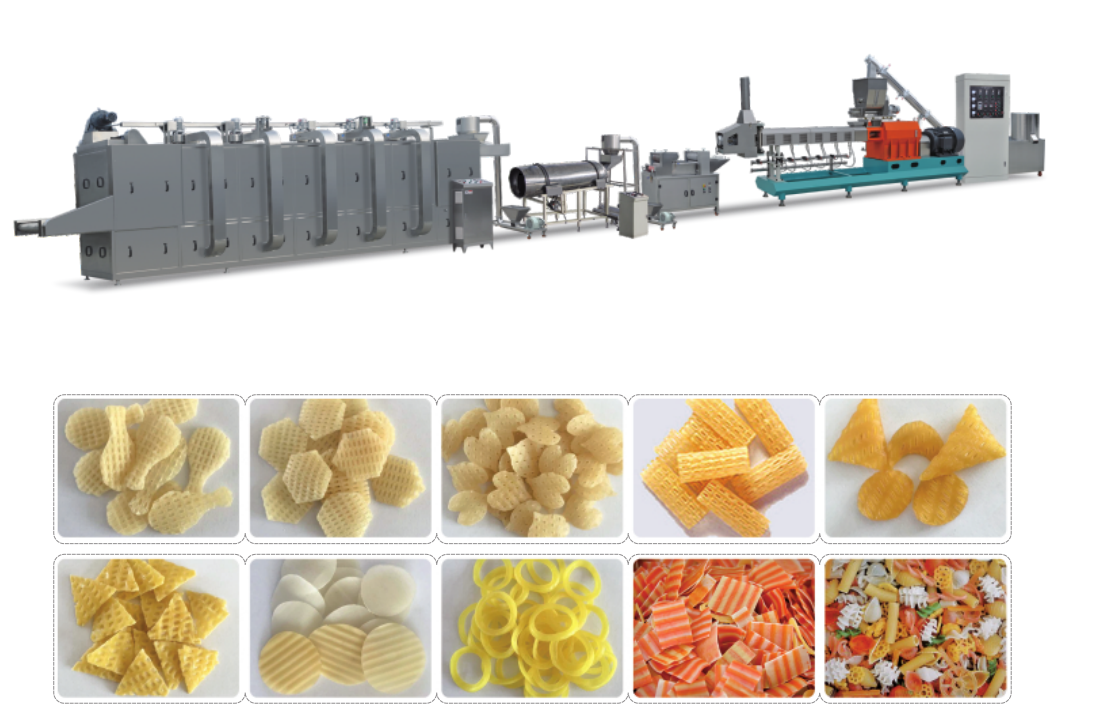
Achieving uniform dough batch after batch demands more than just following a recipe. It requires a deep understanding of how flour hydration, gluten development, and temperature interplay during mixing. Modern equipment with variable speed drives and real-time torque monitoring allows bakers to fine-tune energy input, ensuring that each mix reaches the exact same stage of development—regardless of minor fluctuations in ingredient temperature or protein content.
Kneading intensity and duration are not one-size-fits-all settings. By mapping the dough’s rheological behavior throughout the process, operators can identify narrow windows where elasticity and extensibility peak. Closed-loop systems that adjust based on dough consistency—measured through infrared or near-infrared sensors—help avoid over-kneading, which can degrade the gluten network and lead to sticky, unworkable dough. This sensory feedback loop mimics the instincts of experienced bakers, but with repeatable, data-driven reliability.
Even the bowl geometry and hook design play a role in heat dissipation and shear distribution. Incorporating rest phases during kneading, timed by exact energy curves rather than simple countdown timers, further refines the dough’s structure. Such precision turns mixing into a controlled science where every variable—from oxidation to water absorption—is accounted for, producing dough with consistent handling properties and predictable oven spring every single day.
Advanced Extrusion Techniques to Minimize Waste and Maximize Output
Advanced extrusion techniques are redefining how manufacturers approach material efficiency. By leveraging precision control over melt temperature, screw speed, and die geometry, processors can now dramatically reduce scrap generation at the source. Real-time monitoring systems that adjust parameters on the fly prevent common defects like wall-thickness variation or surface blemishes, which means less material ends up as regrind or waste. These closed-loop corrections not only conserve raw materials but also maintain consistent output quality without manual intervention.
Another frontier is the strategic use of multi-layer and co-extrusion processes. Instead of relying on a single material to meet all performance requirements, these methods combine thin functional layers that use exactly the amount of specialty resin needed—no more, no less. This approach slashes expensive material consumption while enhancing product properties through synergistic layering. For instance, a barrier film can be produced with a fraction of the usual high-cost polymer, with the core made from recycled or lower-grade content that never contacts the product. The result is a leap in material yield and a sharp drop in off-spec waste.
Beyond hardware, smarter die design and quick-purge technologies are accelerating changeovers and trimming idle time. Innovative flow-channel geometries eliminate dead spots where material can degrade and require purging, while dedicated purging compounds clean systems faster and with less resin. These refinements mean that even short production runs become viable without generating excessive transitional scrap. When combined with lean startup procedures, facilities can switch between jobs with minimal loss, effectively turning what was once waste directly into salable product.
Smart Drying Systems for Uniform Texture and Reduced Energy Consumption
Modern drying equipment now incorporates sensor arrays that continuously monitor moisture distribution across the product bed. By feeding this data into adaptive control algorithms, the system can independently adjust airflow, temperature, and humidity in different zones. This real-time balancing prevents overdrying in some areas while others remain damp, which is the root cause of texture inconsistencies and wasted energy. The result is a product that emerges with a remarkably even feel throughout the batch, without the hot spots or brittle edges that plague conventional dryers.
Energy consumption drops sharply when drying parameters respond to actual load conditions instead of following rigid time-based cycles. Variable-speed fans and modulating burners ramp down as moisture content decreases, avoiding the common practice of blowing heated air through already dry material. Some systems even recover latent heat from exhaust streams, preheating incoming air while condensing out water vapor. These staged energy recovery loops cut utility costs by 25–40% in many installations, all while maintaining the gentle, graduated drying curve that preserves product integrity.
Perhaps the most overlooked benefit is how uniform drying extends shelf life and reduces downstream waste. When every particle reaches the same target moisture, packaging environments stay stable, and the risk of microbial growth in moist pockets disappears. Fewer batches are rejected for quality deviations, and the consistent texture improves consumer experience in everything from snack foods to pharmaceutical granules. This integrated approach treats drying not as a brute-force removal of water, but as a precision finishing step that adds measurable value to the final product.
Quality Assurance Through Real-Time Monitoring and Automated Adjustments
Maintaining consistent product quality no longer depends solely on periodic inspections or manual oversight. By continuously collecting data from every stage of production, anomalies become visible the moment they occur. This constant stream of information enables teams to trace subtle shifts in temperature, pressure, or material behavior long before they escalate into defects.
When thresholds are crossed, the system doesn't simply flag the issue—it triggers calibrated responses without human intervention. Machinery recalibrates itself, feed rates adjust, or mixing times extend, all based on live feedback. Far from removing control, this automation frees skilled operators to focus on complex decisions, reducing the noise of minor corrections while strengthening overall process stability.
What sets this approach apart is its ability to learn and refine its own parameters over time. Each adjustment feeds back into the model, sharpening predictions and preventing recurrence of similar issues. The result is a production environment where output reliability grows organically, and the line between monitoring and proactive optimization naturally blurs.
Maintenance Strategies That Keep Production Lines Running Smoothly
When a single machine halts unexpectedly, the ripple effect can idle entire shifts and erode delivery commitments. Seasoned maintenance teams know that predictable uptime isn't about reacting faster—it's about removing the guesswork from equipment health. By embedding vibration sensors on critical motors and gearboxes, they catch subtle imbalances months before a bearing seizes. This condition-based approach shifts the conversation from “when to schedule downtime” to “which exceptions need attention today,” letting planners slot repairs into natural production lulls rather than scrambling after a breakdown.
Beyond sensors, the real differentiator often lies in how shift handovers communicate small anomalies. A slight temperature rise on a hydraulic pump might get scribbled in a logbook and forgotten, but teams that flag it instantly can swap components during a planned tool changeover. That kind of informal, cross-shift awareness turns individual observations into collective intelligence, preventing the slow degradation that silently eats into OEE. Pairing this with a standardized inspection checklist—updated weekly based on actual failure patterns—keeps everyone looking at the right things instead of blindly following a generic schedule.
Spare parts strategy is where the practical meets the financial. It's tempting to stockpile everything, but tying up capital in rarely-needed assemblies creates its own waste. The better path is a risk-ranked inventory: classify each asset by how long production can run without it, then hold parts accordingly. For non-critical conveyors, a nearby supplier with a four-hour delivery promise often beats a dusty shelf of spares. Meanwhile, the critical compressor that would halt the entire line gets a sealed spare kit stored in climate-controlled conditions, with a documented swap procedure that any technician can follow—no tribal knowledge required.
FAQ
A reliable line integrates a high-capacity mixer for uniform dough, an extruder with precisely engineered dies, a continuous steamer and dryer system, plus automated cutters and packagers. Vibratory feeders and cooling conveyors also play a crucial role in handling without damaging the product.
It's about synchronizing each station's speed and monitoring moisture levels in real time. Upgrading to multi-head extrusion and using predictive maintenance on dryers can push throughput up while maintaining the exact texture required.
Checking semolina granularity and protein content upfront is essential. On the line, constant color sorting, precise humidity tracking in dryers, and periodic cooking tests ensure the final product won't split or turn mushy.
Beyond just replacing manual labor, smart automation adjusts extrusion pressure and drying temperatures automatically based on dough consistency. It slashes waste from misformed pieces and allows quick switchovers between shapes.
Semolina with inconsistent gluten strength leads to breakage or uneven drying. Pairing the right wheat variety with a controlled water temperature and absorption rate sets the foundation for a firm, consistent macaroni that cooks evenly.
Implementing condition-based monitoring on extruder screws and dryer fans, combined with rapid-change die cartridges, keeps stoppages short. Keeping spare parts like cutter blades and steam filters nearby avoids waiting on deliveries.
Gentle low-temperature drying profiles preserve color and nutrition; vision systems with AI instantly reject defects; and energy recovery from dryers slashes operational costs. Some plants also use IoT sensors for full batch traceability.
Consistency comes from controlling dough hydration to within half a percent and using vacuum extrusion to avoid air pockets. Drying must follow a precise temperature-relative humidity curve tailored to each pasta shape.
Conclusion
Achieving peak performance on a professional macaroni production line hinges on a seamlessly integrated workflow that begins the moment raw ingredients enter the facility. Smart layout design and automated conveyance systems drastically reduce manual handling, cutting down on contamination risks and bottlenecks. In the mixing and kneading phase, precision is everything: closed-loop controls continuously adjust water addition and kneading time based on real-time dough consistency readings, ensuring every batch meets exact hydration and gluten development targets. This meticulous foundation feeds directly into advanced extrusion systems where innovative die designs and variable pressure controls push throughput to the limit while virtually eliminating dough waste. Operators can make micro-adjustments on the fly, responding to subtle shifts in flour properties without interrupting production, so the line keeps running at its designed capacity without sacrificing the uniformity that defines a premium product.
Beyond shaping, the focus shifts to drying—a stage where energy efficiency and product quality must coexist. Modern lines employ multi-zone smart dryers that autonomously modulate temperature, humidity, and airflow based on continuous moisture measurements, delivering uniform texture across every piece while slashing energy consumption compared to traditional methods. Quality assurance is embedded throughout the process with non-invasive sensors that track color, shape, and even protein structure, triggering automated adjustments before a single substandard macaroni is made. Underpinning all this technology is a proactive maintenance regime: predictive analytics from machinery sensors flag wear before failures occur, and modular component design means repairs are swift and targeted. This holistic approach keeps the line in constant, efficient motion, turning raw materials into flawless pasta with minimal downtime and maximal resource economy.
Contact Us
Contact Person: LILY SUN
Email: [email protected]
Tel/WhatsApp: 0086-13969103791
Website: https://www.snackfoodmachinery.com/