
Shipbuilding Steel Plate Manufacturers: The Top 10 Industry Leaders You Need to Know
2026-05-19
Behind every ocean-spanning vessel lies steel that can withstand relentless waves and corrosive salt air. The choice of shipbuilding steel plate manufacturers defines not just a ship’s strength but its entire lifecycle at sea. In this post, we spotlight the top 10 industry leaders who consistently deliver materials that shape maritime innovation. Among them, Sanhe Steel has earned its place by combining advanced rolling technology with rigorous quality control. Whether you’re engineering a colossal container ship or a specialized offshore platform, understanding these key players will help you navigate the market with confidence.
The Engineering Backbone: Why Steel Plate Quality Shapes Modern Shipbuilding
In modern shipbuilding, the steel plate isn't just a raw material—it’s the quiet foundation that bears everything from pounding waves to the weight of cargo across decades at sea. A hull’s ability to resist fatigue cracking, brittle fracture in cold waters, and relentless corrosion starts with how the plate is engineered at the mill. When yards push for faster assembly and tighter tolerances, subpar plate won't just slow production; it plants hidden flaws that can turn routine stress into a structural emergency.
The chemistry and rolling process behind each plate dictate more than strength on a certificate. Through controlled cooling and precise alloying, mills now deliver plates that separate toughness from thickness—enabling lighter designs without sacrificing durability. A keen eye is on weldability, too: plates that flow smoothly under the arc reduce labor hours and heat distortion, while high-residual elements can leave a trail of micro-cracks buried inside otherwise perfect joints. It’s a balance where purity, temperature, and deformation all converge.
What often goes unseen is the testing regimen that chases certainty through ultrasonic scans and Charpy impact values well below freezing. Yards that treat plate quality as a procurement checkbox miss the bigger picture—that every rolling pass and inclusion count reverberates in maintenance bills and dry-dock intervals. In an industry where margins are thin and missions are unforgiving, steel plate integrity remains the line between a ship that simply floats and one that keeps its promise year after year.
Meet the Titans: Profiles of the World's Most Trusted Manufacturers
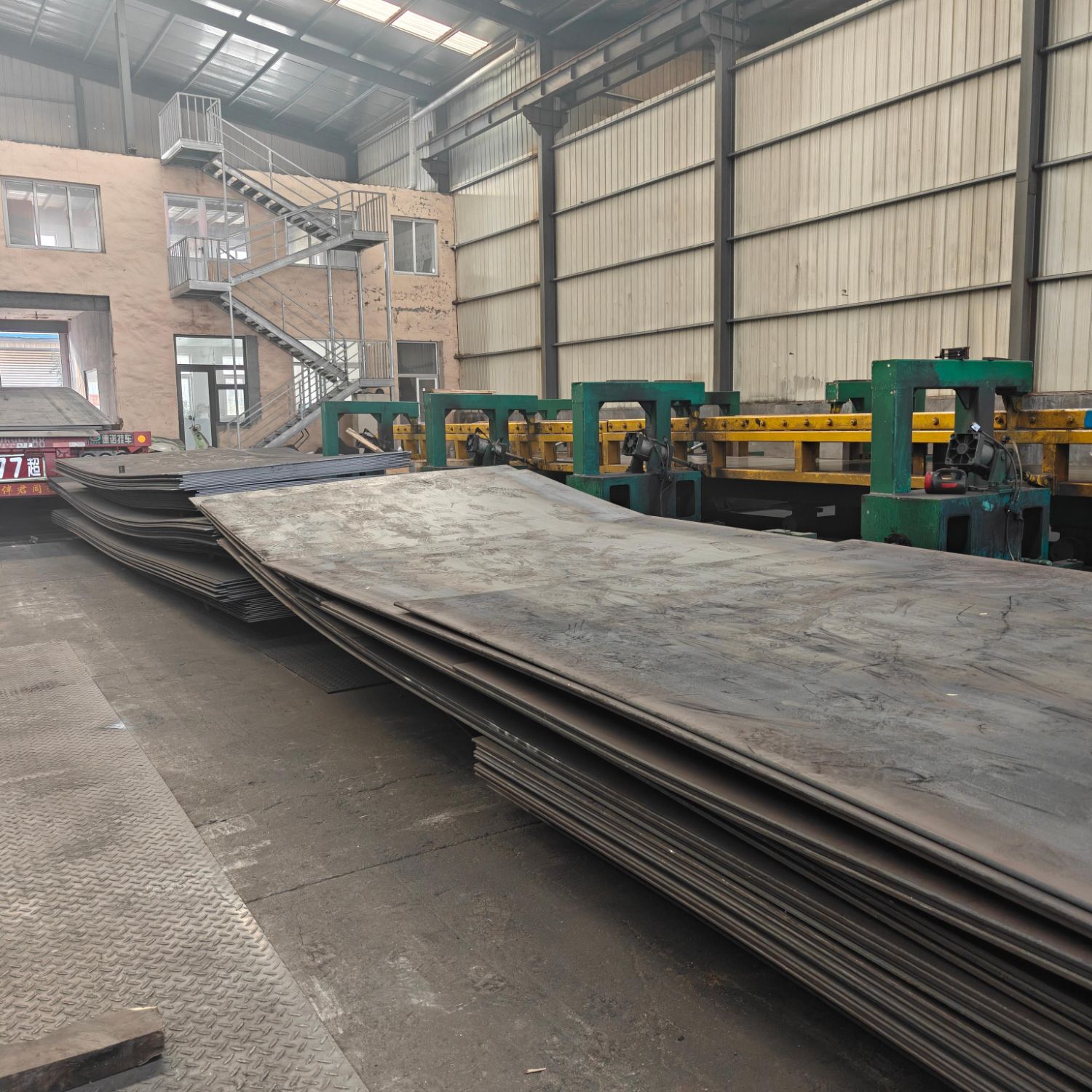
Behind every groundbreaking product lies a manufacturer whose name may never appear on the finished good but whose precision and integrity are woven into its very DNA. These industrial giants don't chase fleeting trends; they invest decades into perfecting processes that others can only attempt to replicate. From the aerospace alloys that withstand extreme temperatures to the microchips powering everyday devices, their work is the quiet backbone of modern civilization.
What sets these titans apart isn't just scale—it's an almost obsessive commitment to consistency. In industries where a single defect can cause catastrophe, they maintain tolerances measured in microns and failure rates approaching zero. This isn't achieved through rigid bureaucracy but through cultures that fuse artisan-like pride with cutting-edge automation. Many have roots stretching back a century or more, weathering wars, recessions, and technological revolutions by treating adaptability as a core competency.
Trust in this realm is earned not through marketing campaigns but through millions of flawless deliveries under punishing deadlines. Their facilities are less factories than cathedrals of reliability, where master technicians mentor apprentices in tacit skills no manual can capture. While the names of their consumer-facing clients dominate headlines, these manufacturers remain deliberately low-profile—preferring to let their work speak in the roar of jet engines, the whir of lifesaving medical devices, and the silent dependability of infrastructure that never grabs attention because it never fails.
Beyond the Surface: Advanced Coatings and Corrosion Resistance Breakthroughs
Engineers have long treated corrosion as an inevitable enemy, but recent advances are rewriting the rules. Instead of merely slapping on a barrier, modern coatings now actively sense pH changes, release inhibitors on demand, or even heal micro-cracks before moisture penetrates. This shift from passive protection to active defense is quietly transforming industries that rely on metal infrastructure, from offshore wind farms to chemical processing plants.
One particularly striking development is the use of graphene-based additives. Just a fraction of a percent mixed into traditional epoxies can drastically reduce water and oxygen permeability while boosting mechanical strength. At the same time, researchers have mimicked biological systems to create self-repairing networks: tiny capsules filled with healing agents rupture upon damage, sealing the breach without any external trigger. These aren't lab curiosities—they're already being sprayed onto bridge cables and ballast tanks, extending asset lifetimes by decades.
The real breakthrough, though, lies in hybrid systems that combine multiple mechanisms. A coating might include a hydrophobic nanostructure to repel water, embedded corrosion indicators for easy inspection, and sacrificial pigments that galvanically protect the substrate. Such solutions cut maintenance cycles and reduce the total cost of ownership so dramatically that they're redefining design codes for critical components in aerospace and marine engineering.
From Ore to Ocean: A Look Inside the Production Secrets of Industry Leaders
Deep beneath the earth’s crust, where mineral veins thread through ancient rock, the journey begins not with machinery but with geologic intuition. Seasoned prospectors still rely on subtle surface indicators—a particular plant species, a curious discoloration—to locate deposits that no satellite could spot. It’s this blend of old‑school fieldcraft and modern geochemistry that gives industry leaders their edge, transforming a hunch into a viable mine long before the first drill breaks ground.
Inside the processing facilities, the real alchemy happens quietly. There’s no single formula that turns raw ore into premium metal; it’s the accumulation of small, proprietary tweaks—an extra offgas scrubbing step, a counterintuitive reagent ratio, a cooling protocol borrowed from a different industry entirely—that separates the mediocre from the extraordinary. These refinements are guarded less by patents than by institutional memory, passed down through tight‑knit teams who treat the process like a craft rather than a checklist.
When the finished products finally ship across ocean lanes, the care continues in ways the end user rarely sees. Freshwater‑rinsed hulls prevent salt contamination of delicate alloys, while custom dunnage inside containers stops micromovements that could compromise structural integrity. It’s this obsessive attention to the final leg—the part that happens after the sale—that keeps their materials intact and their reputations unsullied, a silent testament to the fact that true quality chases the cargo all the way to the destination port.
Sustainability at Sea: How Top Manufacturers Are Reducing Environmental Impact
The push for cleaner oceans isn’t just coming from regulators—it’s being driven by the biggest names in shipbuilding, who are quietly overhauling how vessels are conceived, built, and operated. Rather than bolting on green features after the fact, these manufacturers are embedding sustainability into the core design phase. That means lighter, more hydrodynamic hulls that slip through water with far less resistance, cutting fuel burn before a single alternator kicks in. It’s a fundamental rethink: efficiency isn’t a retrofit, it’s the backbone of modern maritime engineering.
Beyond design, the real transformation is happening below deck. Hybrid-electric systems, once the preserve of small ferries, are scaling up for deep-sea cargo ships. Meanwhile, wind-assist technologies—from spinning vertical rotors to rigid sails—are making a credible comeback, trimming auxiliary engine use on long-haul routes. And fuel isn’t straightforward diesel anymore; top yards are laying the groundwork for methanol, ammonia, and hydrogen propulsion, even as they refine exhaust-scrubbing systems for the conventional fleet. Waste heat recovery, too, is turning what was once lost energy into usable power, shaving another slice off a vessel’s carbon footprint.
What’s less visible is the effort to close the loop on materials. Leading builders are now stamping steel with recycled content, treating water used in dry docks, and designing ships for easier disassembly decades down the line. It’s about making sea transport part of a circular economy, not just a linear one. The outcome? Ships that aren’t just squeaky-clean on paper, but deliver proven reductions in fuel consumption and emissions—often saving operators millions over a vessel’s life. For an industry that moves 90% of global trade, that’s a powerful current to swim with.
Choosing Your Steel Partner: Critical Factors That Differentiate the Best from the Rest
Steel isn’t just a material—it’s the backbone of your project, and the partner you choose can make or break everything from timelines to structural integrity. The best suppliers don’t just deliver product; they bring a level of technical fluency that transforms your specs into reality without constant hand-holding. When vetting a partner, pay attention to how they handle complexity: do they ask the right questions about load requirements, environmental exposure, and fabrication constraints? A stellar partner anticipates issues before they surface, offering guidance on grade selection, coating systems, and even alternative designs that save cost without compromising performance.
Beyond technical chops, supply chain resilience is the quiet differentiator. A partner with diverse mill relationships, flexible logistics, and transparent inventory visibility can shield you from the ripple effects of market volatility. Ask bluntly about their contingency plans during raw material shortages or transportation bottlenecks. The ones worth their salt will show you real-time stock levels, cut-to-length capabilities, and just-in-time delivery schedules that align with your construction milestones. They’ll also be upfront about lead times instead of overpromising—reliability beats fast talk every time.
Finally, dig into the intangibles: how a company behaves when things go sideways. Quality certifications are table stakes; the real test is their track record on claims resolution and post-delivery support. Do they stand behind their product with mill test reports and traceability data you can actually trust? Can they mobilize technical specialists to your job site within 24 hours when an unexpected weldability issue crops up? The right steel partner treats your project’s success as their own metric, which means they’ll sweat the small stuff—from laser-flat plates to accurate piece counts—with a consistency that makes them disappear into your workflow. That’s when you know you’ve found more than a supplier; you’ve built a quiet competitive advantage.
FAQ
They must exhibit excellent weldability, high tensile strength, and superior corrosion resistance to withstand harsh marine environments, meeting classification society standards like those from ABS, DNV, and LR.
East Asia leads the market, with major production hubs in China, South Korea, and Japan, supported by advanced rolling mills and stringent quality control.
They require certification from recognized classification societies, such as Lloyd's Register or Bureau Veritas, and often conduct third-party inspections and ultrasonic testing.
Thicker plates are used for critical structural components like the hull and bulkheads to endure heavy loads and impact, while thinner plates may be used for less stressed areas.
Companies like POSCO, Nippon Steel, Baosteel, and Hyundai Steel are often cited as top suppliers due to their extensive product ranges and consistent quality.
Innovation leads to stronger, lighter plates that improve fuel efficiency and reduce emissions, aligning with evolving environmental regulations and shipowner demands.
Iron ore and coking coal price swings directly impact production costs, and manufacturers must manage supply chains adeptly to maintain competitive pricing.
The shift toward liquefied natural gas (LNG) carriers and mega-container ships is driving demand for specialized high-strength, low-temperature steel grades.
Conclusion
In modern shipbuilding, the steel plate is more than just a material—it's the engineering backbone that determines a vessel's safety, longevity, and performance. The world's most trusted manufacturers have refined their crafts over decades, controlling every step from ore to ocean. These titans don't simply roll steel; they engineer microstructures that withstand Arctic cold, tropical corrosion, and relentless wave stresses. Their production floors are guarded secrets where proprietary thermomechanical processes create plates of unmatched toughness and weldability. The best mills integrate their own research into metallurgy, ensuring that each plate meets exacting class society standards while pushing the boundaries of what's possible in naval architecture.
Yet today's industry leaders distinguish themselves beyond raw strength. Advanced coatings and corrosion-resistant alloys have become critical, with breakthroughs in zinc-rich primers and anti-fouling systems extending hull life dramatically. Sustainability has also reshaped the landscape—top manufacturers now use electric arc furnaces powered by renewable energy, recycle process water, and develop high-strength grades that reduce steel consumption without sacrificing durability. When choosing a partner, shipyards weigh more than price; they look for a track record of on-time delivery, technical collaboration, and innovative solutions like digital material passports that trace a plate's carbon footprint. These factors separate the true industry leaders from the rest, driving a new era of cleaner, smarter shipbuilding.
Contact Us
Contact Person: Zoey
Email: [email protected]
Tel/WhatsApp: +86 15865577002
Website: https://www.sanhesteels.com