

Wire Rolling Mills for Textile Machinery: China’s Cutting-Edge Manufacturing Solutions
2026-08-11
In the intricate world of textile machinery, the precision of every component defines performance. Wire rolling mills—the backbone of fine wire production—are undergoing a quiet revolution, and China is leading the charge. As a frontrunner in this transformation, GRM blends advanced engineering with decades of expertise to deliver rolling mills that set new benchmarks for accuracy and durability. But what makes these mills truly cutting-edge? And how are they reshaping textile manufacturing? Dive in to uncover the innovations driving this essential industry forward.
The Evolution of Precision Wire Rolling for Textile Applications
The shift toward precision wire rolling in textiles didn’t happen overnight—it was a quiet revolution driven by the need for finer, more consistent metal wires in weaving, knitting, and technical fabric production. Early methods relied on simple drawing and conventional rolling, which often left surface imperfections and diameter variations that caused thread breakage or uneven tension during high-speed textile operations. As synthetic and hybrid yarns grew in popularity, manufacturers demanded wire with tolerances down to a few microns, pushing engineers to rethink roll geometries, lubrication, and in-line measurement systems.
What truly changed the game was the integration of closed-loop control and laser micrometer feedback directly into the rolling mill. Instead of periodic manual checks, these systems continuously adjust roll gap and speed, compensating for thermal drift and tool wear in real time. This meant that spools of wire could maintain uniform cross-sectional profiles over miles of material—critical for applications like metallic yarns in smart textiles or ultra-fine mesh for filtration fabrics. The surface finish also improved dramatically, reducing the need for secondary polishing and lowering friction during subsequent textile processing.
More recently, the focus has moved toward customizable textured wire surfaces that enhance bonding with polymers in composite fabrics or create desired tactile effects in fashion textiles. By using CNC-shaped rolls and predictive process modeling, wire producers can now imprint micro-patterns that improve adhesion or aesthetic appeal without sacrificing dimensional accuracy. It’s a blend of metallurgy, data science, and textile know-how that pushes precision rolling far beyond its industrial roots, opening doors to new possibilities in wearable technology and beyond.
Why Chinese Manufacturers Lead in High-Speed Wire Rolling Technology
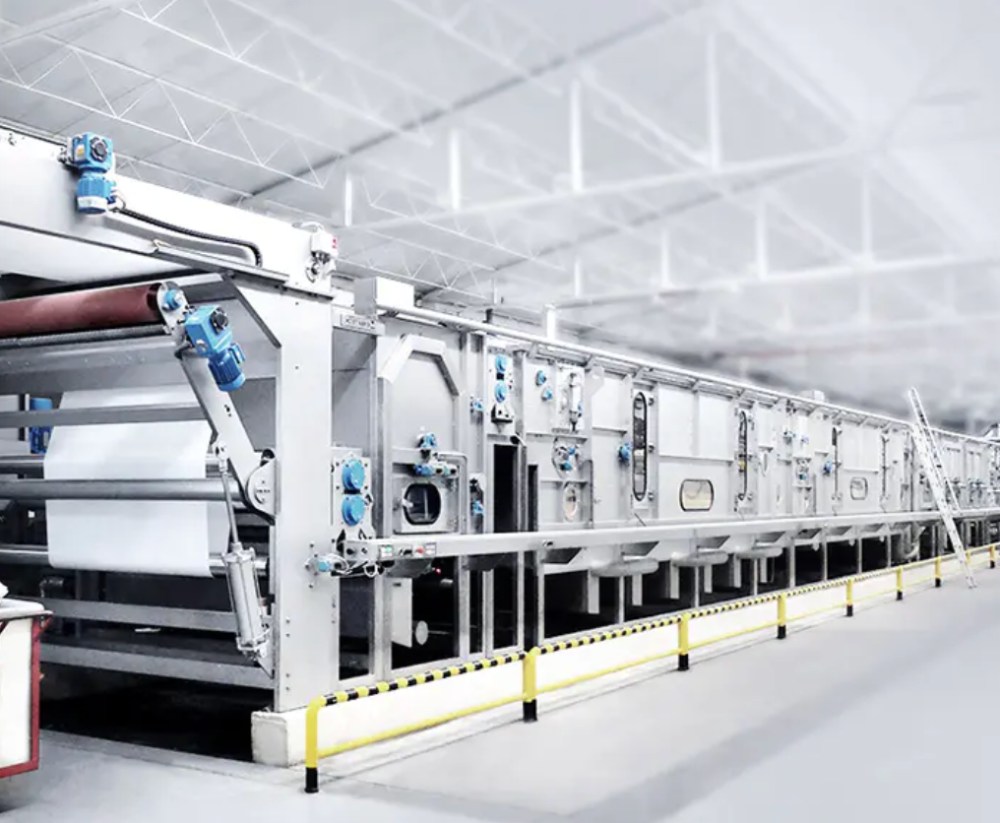
Chinese manufacturers have carved a dominant niche in high-speed wire rolling through a relentless drive for innovation and scale. By investing heavily in research and development, they have refined mill designs and control systems to achieve rolling speeds exceeding 100 meters per second—once thought unattainable. This technical prowess is matched by a deep integration of domestic supply chains, allowing rapid prototyping and cost efficiencies that competitors struggle to replicate. The result is not just faster production but consistent quality in wire rod dimensions and surface finish, which meets the demanding specifications of global construction and automotive sectors.
Another cornerstone of this leadership is the ability to tailor technology to diverse operational contexts. Chinese engineers excel at adapting high-speed rolling solutions for both massive state-owned mills and nimble private enterprises, often providing modular systems that minimize downtime during upgrades. Real-world applications in Southeast Asian and African markets demonstrate how these designs withstand harsh environments while maintaining output. This practical engineering ethos, combined with aggressive after-sales support, creates loyalty that transcends price considerations.
The current edge also stems from a sharp focus on energy efficiency and intelligent automation. Newer Chinese rolling mills incorporate predictive algorithms that adjust inter-stand tension in real time, slashing energy consumption by up to 15% compared to earlier models. These advancements are not just about staying competitive—they reflect a broader push toward green manufacturing that resonates with international buyers. By marrying high-speed mechanics with smart analytics, Chinese producers have turned a commodity process into a sophisticated technological export, continuously raising the bar for the entire industry.
Integrating Smart Automation into Modern Rolling Mills
Modern rolling mills are embracing smart automation by embedding networked sensors within critical components. These sensors capture real-time data on temperature, pressure, and vibration, feeding it into edge computing systems that instantly adjust roll gaps and speeds. This dynamic tuning minimizes material waste and ensures tighter tolerances, even when processing challenging alloys.
Beyond immediate process control, the integration of machine learning models enables prescriptive analytics. Algorithms trained on historical mill data can forecast equipment wear and schedule maintenance only when needed, preventing unexpected downtime. Meanwhile, digital twins simulate production scenarios, allowing operators to test adjustments virtually before applying them on the line, drastically reducing trial-and-error.
The cultural shift towards automation also empowers mill operators, who transition from manual overseers to strategic decision-makers. With intuitive dashboards and augmented reality assistance, they interpret insights rather than reacting to alarms. This blend of human expertise and intelligent machinery creates a resilient production environment that adapts to market demands with agility.
Material Innovations Driving Durability and Performance
Advanced polymers and hybrid composites are reshaping what’s possible under stress, heat, and corrosion. By weaving nano-reinforcements into resin matrices, designers now create components that laugh at fatigue cycles once deemed career-ending. A pump housing that handles abrasive slurries without erosion, a bearing cage that sheds heat faster than its steel predecessor—these aren’t distant dreams but the quiet result of molecular-level tailoring.
Surface engineering has moved beyond simple coatings into functionally graded layers that bond metallurgically yet act like entirely new skins. Diamond-like carbon films, plasma-nitrided surfaces, and laser-textured micro-pockets trap lubricant or shed water with relentless consistency. The real magic happens when these treatments are paired with self-sensing substrates that report wear in real time, turning scheduled maintenance into a precise, need-based ritual.
Smart materials are making durability an active trait rather than a passive hope. Shape-memory alloys that close micro-cracks as they nucleate, self-healing ceramics that react at crack tips, and dampening layers that tune vibration on the fly are moving from lab curiosities into production lines. The shift isn’t just about surviving longer—it’s about staying predictably precise, cycle after cycle, without the gradual decay that traditional lifetime curves once made unavoidable.
Customization Capabilities for Diverse Textile Machinery Needs
Modern textile manufacturing demands machines that can adapt, not just operate. Whether you’re producing delicate lace or heavy-duty industrial fabrics, the ability to fine-tune equipment parameters without extensive downtime sets truly versatile systems apart. Our approach begins with modular architectures, allowing mills to swap out key components—such as needle beds, yarn feeders, or take-up mechanisms—within minutes. This flexibility means a single production line can handle multiple fabric types and patterns, reducing capital expenditure and floor space requirements while keeping output quality consistently high.
Beyond hardware, software-driven customization opens up new levels of control. Operators can adjust stitch density, tension, and patterning through intuitive touchscreen interfaces, with real-time feedback loops that prevent defects before they occur. Built-in memory for hundreds of recipes eliminates repetitive setup, and remote diagnostic capabilities let technicians fine-tune performance across global facilities without travel. The result is a smarter, more responsive production environment where changeovers happen in seconds, not hours.
We also recognize that every textile business faces unique challenges—from climate conditions affecting fiber behavior to niche market demands for short runs. That’s why we offer tailored sensor arrays and automation add-ons, enabling machines to self-correct for humidity, lint buildup, or material inconsistencies. By combining broad configurability with targeted enhancements, our systems help manufacturers stay agile in a rapidly shifting industry, turning customization from a luxury into a standard operational advantage.
Sustainability and Efficiency in Next-Gen Wire Production
Modern wire manufacturing is quietly reinventing itself through smarter material choices and leaner processes. Instead of simply chasing higher output, producers are now fine-tuning alloy compositions to reduce raw material waste while maintaining conductivity. For instance, advanced copper alloys with trace elements allow for thinner gauges without sacrificing performance, directly lowering both resource consumption and overall product weight. This shift isn’t just about cutting costs—it’s reshaping how the industry thinks about the lifecycle of every meter of wire, from drawing to installation.
Energy use during production is another area where fresh approaches are taking hold. Rather than relying on conventional annealing methods that guzzle power, some facilities are adopting induction-based heating systems that deliver heat precisely where it’s needed. These systems not only slash energy bills but also speed up cycle times, making the whole line more responsive. Alongside this, real-time monitoring of machinery helps catch inefficiencies before they become habits—like a slight misalignment in a drawing die that wastes material and energy. It’s a combination of careful engineering and data-driven adjustments that keeps waste low and throughput high.
Looking beyond the factory floor, there’s a growing emphasis on closing the loop. Manufacturers are designing wires with eventual recycling in mind, making insulation easier to strip and metals simpler to reclaim at end-of-life. Some are even experimenting with bio-based insulation materials that break down more cleanly than traditional plastics. These moves aren’t just about meeting regulations; they reflect a deeper recognition that long-term viability depends on respecting both natural resources and the communities around production sites. In this way, next-gen wire production isn’t just more efficient—it’s genuinely more responsible.
FAQ
Chinese wire rolling mills are engineered with precision automation and adaptive tension control, which allows textile machinery builders to achieve consistent wire diameters and surface finishes that are critical for high-speed weaving and knitting components. The integration of real-time monitoring and rapid die-change systems helps reduce material waste and downtime, directly translating to lower production costs and improved part longevity.
Advanced mills now employ carbide roller materials and optimized cooling pathways that work-harden the wire surface during processing, creating a compressive residual stress layer. This significantly boosts the fatigue life and abrasion resistance of parts like heald wires, reed dents, and needle elements, outperforming parts made from conventionally drawn wire in abrasive textile environments.
Chinese manufacturers offer modular rolling units with adjustable roll gaps and programmable hydraulic pressure profiles. For alloys like stainless steel 316L, Elgiloy, or beryllium copper commonly used in corrosion-resistant textile elements, the mills can be configured with induction pre-heating stages and inert gas shielding to preserve the material's microstructure and surface quality, giving the end-user full control over grain refinement and mechanical properties.
Beyond the standard warranty, most top-tier suppliers provide on-site commissioning, operator training, and a remote diagnostics portal that uses industrial IoT sensors to predict roll wear and guide preventive maintenance schedules. Many also keep regional spare parts hubs in key textile manufacturing centers like India, Turkey, and Bangladesh to guarantee 48-hour delivery of critical consumables.
Yes, the inherent versatility of the Chinese modular designs means a line set up for fine textile card clothing wire can be quickly switched to produce wire for medical staples, spring wire for automotive, or even fine welding wire. The key lies in the quick-change roll stands and the software-defined recipe management that stores validated parameter sets for different wire profiles and alloys, making it a multi-purpose asset.
They lower the carbon footprint through direct reduction in scrap rates—often achieving near-net-shape rolling that cuts material loss to under 2%. The dry rolling techniques eliminating hazardous lubricant disposal, combined with energy-recuperating drive systems, help textile machinery makers meet stricter environmental regulations without sacrificing output quality or speed.
Conclusion
Wire rolling mills built for textile machinery have reached a new level of precision and adaptability, driven largely by breakthroughs in process engineering and material science. The gradual shift from conventional drawing methods to high-accuracy rolling has enabled the production of wires with extremely tight dimensional tolerances—critical for modern textile equipment where needle beds, sinkers, and guide rails demand flawless surface finishes and consistent cross-sections. Chinese manufacturers have been at the forefront of this evolution, leveraging decades of metallurgical expertise and a production ecosystem that seamlessly blends R&D with scalable industrial output. Their high-speed rolling lines now routinely exceed 30 meters per second, while maintaining defect rates that rival—and often surpass—legacy European benchmarks.
Behind this performance is a deliberate fusion of smart automation and resource-conscious design. Sensor networks and real-time adaptive controls allow mills to self-correct during runs, slashing downtime and scrap rates. This intelligent layer also simplifies rapid changeovers between profiles, giving textile OEMs the customization flexibility they need for everything from fine-gauge circular knitting components to heavy-duty weaving loom parts. Meanwhile, material innovations—such as micro-alloyed steels and carbide-reinforced surfaces—extend tool life and reduce energy consumption per ton, aligning with stricter sustainability targets. These gains in durability and efficiency aren’t just incremental; they reflect a rethinking of how wire-making integrates into the broader textile supply chain. By combining deep customization know-how with environmentally streamlined processes, China’s rolling mill sector is setting a standard where precision, speed, and responsibility coexist naturally.
Contact Us
Contact Person: Rayna
Email: [email protected]
Tel/WhatsApp: 86 -173 1474 6343
Website: https://www.grmrollingmill.com/