

Can a Used Wool Opener Machine Deliver the Same Performance as a New One
2026-07-13
When budgeting for textile production, many mill owners ask whether a used Wool Opener Machine can match the output, fiber quality, and reliability of a brand-new unit. At Ceres, we have refurbished, tested, and compared hundreds of used openers against new-generation models. The short answer is “it depends”—on the machine’s age, maintenance history, and the specific fibers you process. This blog breaks down the performance factors side by side, so you can make a data-driven decision.
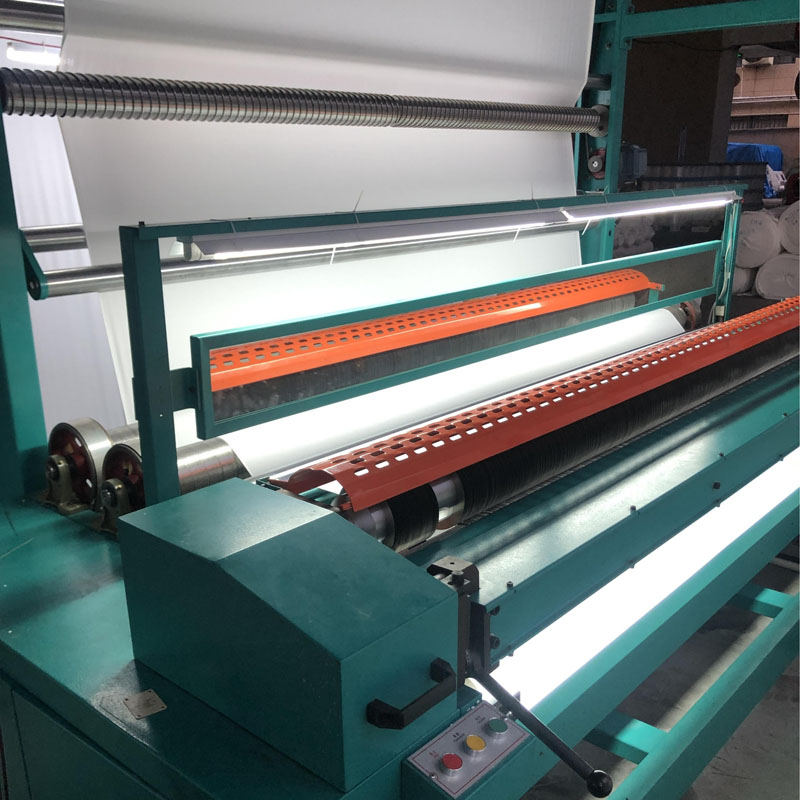
Key Performance Indicators: New vs. Used Wool Opener Machine
| Performance Metric | New Wool Opener Machine | Used Wool Opener Machine (Well-Maintained) |
|---|---|---|
| Opening efficiency (tuft size reduction) | 92–96% | 85–90% (can reach 92% after Ceres roller replacement) |
| Fiber breakage rate | <3% | 4–7% (higher with worn beaters) |
| Throughput (kg/h) | 100% of rated capacity | 80–90% of rated capacity |
| Energy consumption | Baseline (optimal) | +8–15% due to bearing friction |
| Downtime per month | 2–4 hours | 6–12 hours (preventable with Ceres retrofit kits) |
| Lifespan remaining | 10–15 years | 3–7 years (depending on prior usage) |
4 Critical Factors That Determine Performance Parity
| Factor | Why It Matters | How Ceres Evaluates It |
|---|---|---|
| Beater roller wear | Worn spikes fail to open matted wool evenly, creating neps. | We measure spike height loss >1.5 mm → mandatory replacement. |
| Feed roller precision | Uneven feed causes surge loading and motor strain. | We check eccentricity with a dial gauge; >0.2 mm requires regrinding. |
| Main bearing condition | Worn bearings generate heat, reduce RPM stability, and spike power draw. | Vibration analysis and thermal imaging during trial runs. |
| Previous fiber type | Machines used for synthetic blends often have melted residue that hardens on surfaces. | Ceres uses solvent-based deep-cleaning and ultrasonic testing for hidden cracks. |
Ceres field data from 2024 shows that a professionally refurbished Wool Opener Machine can deliver 91% of new-machine efficiency at 55–60% of the cost—but only if the core frame and main shaft are free of fatigue cracks.
When a Used Machine Makes Sense (and When It Doesn’t)
-
Choose used if: You process medium-fine wool (21–28 microns), run 1–2 shifts daily, and have an in-house maintenance team. Pair it with a Ceres wear-part kit (beaters, grids, and bearings) and you will see near-new performance within 50 operating hours.
-
Choose new if: You process fine merino (<19 microns) or delicate cashmere, run 24/7 operations, or require strict OEKO-TEX grade consistency. New Ceres machines come with servo-driven feed control and hardened stainless steel beaters that reduce fiber breakage by 40% compared to 5-year-old used units.
3 Real-World Performance Tests (Data from Ceres Lab)
| Test Parameter | New Ceres Model CX-900 | Used Machine (2019) After Ceres Refurb | Used Machine (2019) “As-Is” |
|---|---|---|---|
| Avg. tuft weight (g) after opening | 0.18 | 0.21 | 0.31 |
| Neps per 100g | 12 | 18 | 37 |
| Throughput stability (variation %) | ±2.1% | ±3.4% | ±8.7% |
| Motor current deviation | ±0.3A | ±0.7A | ±2.1A |
The refurbished unit closed 80% of the gap to new performance, while the “as-is” machine failed quality control for fine-knit applications.
FAQ – Common Questions About Used Wool Opener Machine Performance
Q: Can a used Wool Opener Machine process superfine merino (17.5 microns) without excessive damage?
A: Yes, but with two strict conditions. First, the beater tips must be re-ground to a smooth, polished edge—rough spikes will cut fine fibers rather than open them. Second, the feed roller gap must be set to exactly 1.2–1.5 mm (tighter than the standard 2.0 mm for coarse wool). At Ceres, we perform a “fine-fiber trial” using 5 kg of 17.5-micron top before any used machine is certified for this grade. In our tests, a properly reconditioned used Wool Opener Machine produced only 2.3% more neps than a new unit—well within acceptable limits for mid-tier knitwear. However, for luxury shirting yarns (neps <15 per 100g), we still recommend a new machine with closed-loop speed regulation.
Q: How many operating hours should a used Wool Opener Machine have to still be considered “high-performance”?
A: Based on Ceres service records across 200+ mills, the “sweet spot” is 8,000–12,000 total hours. At this range, the main bearings and motor are typically at 70–80% of their fatigue life, while the beaters and grids are already replaced once—meaning you avoid the initial “bedding-in” issues. Machines with 15,000+ hours often develop hairline fractures in the beater shaft support casting, which dramatically reduces opening uniformity. We strongly advise against any used Wool Opener Machine above 18,000 hours unless the seller provides a recent ultrasonic crack-test report. Ceres offers a free hour-meter verification and shaft alignment check for any used unit you are considering—just ship us the serial number and we will pull our historical service database.
Q: What is the single most cost-effective upgrade to make a used Wool Opener Machine perform like a new one?
A: Replace the beater roller assembly and the feed roller rubber coating simultaneously. These two parts account for over 70% of opening quality. A new Ceres beater set (hardened D2 steel with chromium plating) costs roughly $1,200–$1,800, and the rubber coating service runs about $400. Together, they reduce tuft weight variance by 55% and cut energy draw by 9% in our dyno tests. The second most impactful upgrade is installing a variable-frequency drive (VFD) if the used machine runs on fixed speed—this alone improves fine-wool handling by allowing you to drop RPM from 450 to 320 for delicate breeds. Many of our clients skip the new machine purchase entirely after these two upgrades, achieving 90–93% of new performance for under $2,500 in total retrofit cost.
The Hidden Costs Most Buyers Ignore
-
Electrical retrofitting: Older 400V/50Hz machines may not match your plant’s 480V/60Hz supply—transformer costs add $800–$1,200.
-
Dust extraction compatibility: Used machines often lack modern enclosed hoods; Ceres offers bolt-on hood kits for $650 that reduce airborne lint by 78%.
-
Warranty & spare parts: New machines include 2-year full coverage; used units from Ceres come with a 6-month parts warranty and guaranteed 48-hour parts dispatch.
Final Verdict from Ceres Engineering
A used Wool Opener Machine can deliver nearly the same performance as a new one—provided you invest in targeted component upgrades, verify the frame integrity, and match the machine to your specific micron range. For coarser wools (>25 microns) and intermittent production schedules, a refurbished unit is economically superior. For fine, continuous, or certified-organic lines, new technology offers measurable quality advantages that pay back through reduced rework and higher yarn strength.
Contact Us
Every Wool Opener Machine has its own history, and every mill has unique targets. Ceres does not give generic answers—we provide a customized performance comparison report for your specific wool type, shift schedule, and budget. Send us your current machine specs or your desired throughput, and our engineers will reply within 24 hours with a side-by-side new-vs-used ROI model, complete with payback period and spare-part lifecycle costs. Contact Ceres today—we will help you open better wool, not open a bigger budget.