

Can an Automatic Hot Stamping Machine Handle Both Foil and Embossing Simultaneously
2026-07-28
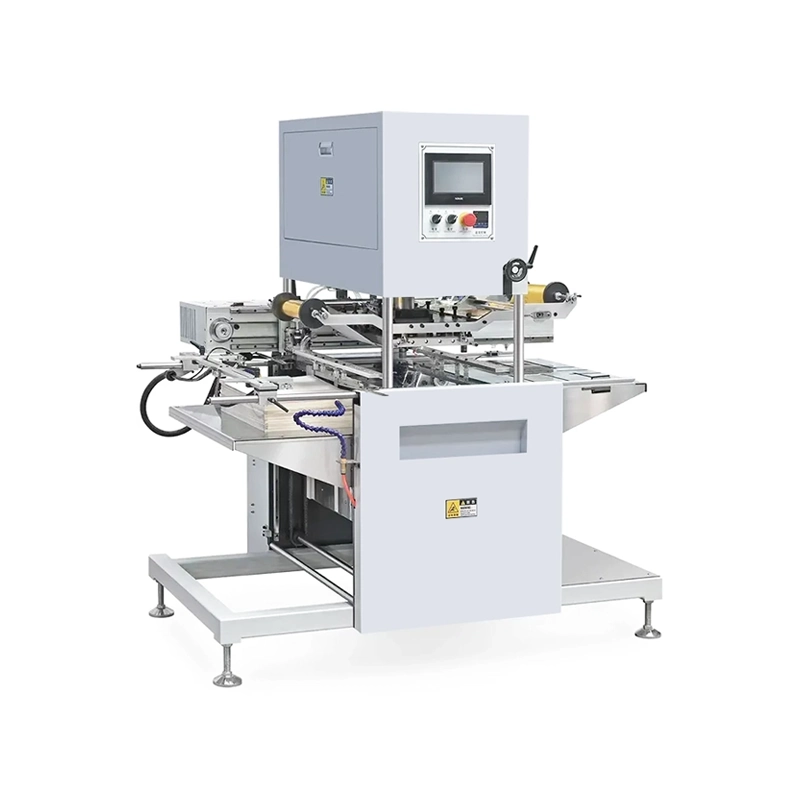
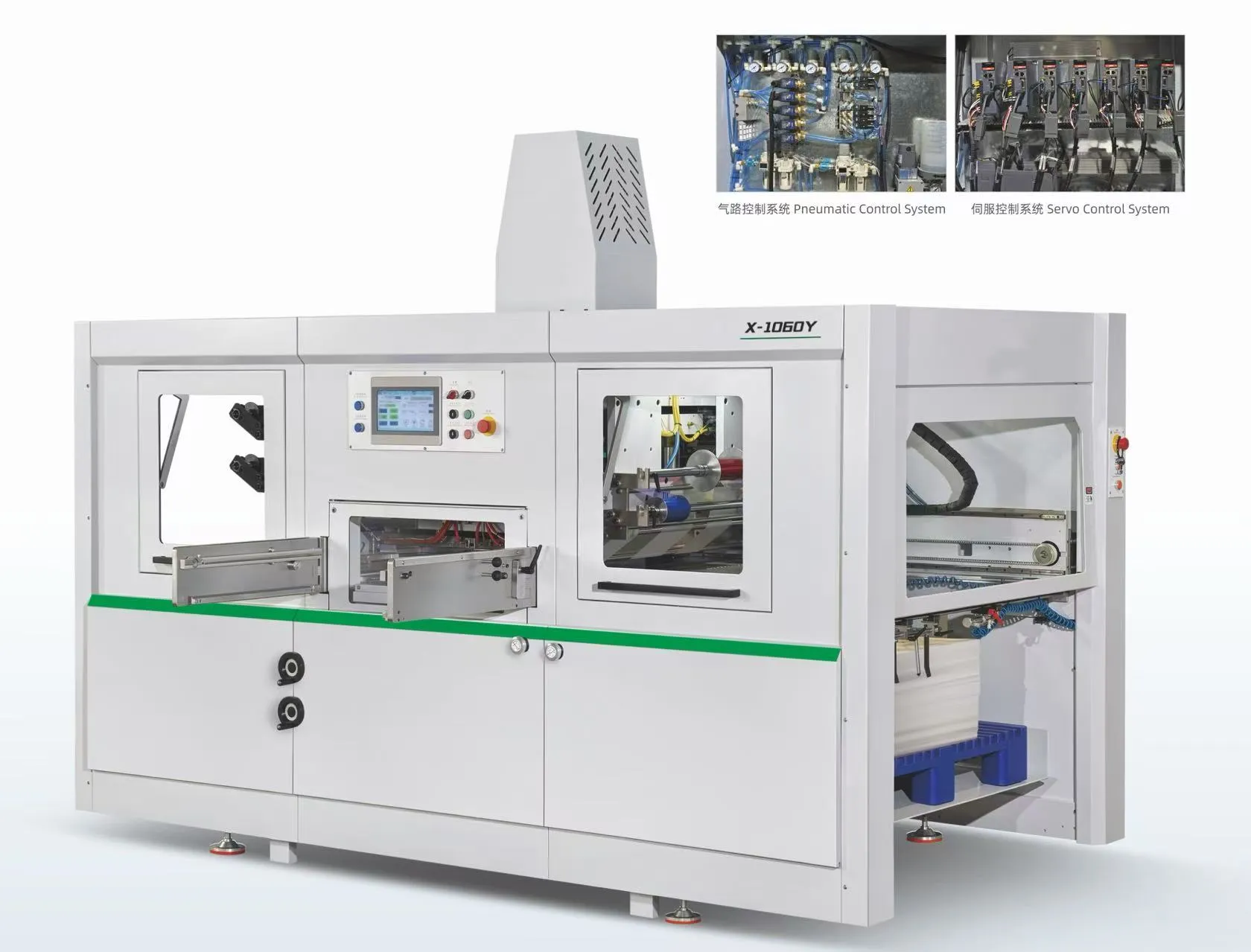
In the world of modern packaging, label printing, and luxury goods manufacturing, production efficiency and surface finishing quality are non-negotiable. One question that frequently arises among production managers and plant owners is whether a single Automatic Hot Stamping Machine can perform two critical decorative processes—foil stamping and embossing—at the same time. The short answer is yes, but the technical reality involves machine configuration, tooling design, and process parameters. At Feihua, we have engineered our Automatic Hot Stamping Machine series to support simultaneous foil transfer and three-dimensional embossing, provided the job specifications align with the machine’s capabilities. This blog post explores the technical feasibility, operational conditions, and practical limitations of running both processes in one pass, helping you make an informed purchasing and production decision.
Understanding the Dual-Process Capability
Foil stamping applies a metallic or pigmented film onto a substrate using heat and pressure, while embossing creates a raised or recessed relief pattern. When performed simultaneously, the Automatic Hot Stamping Machine must deliver uniform temperature distribution, precise pressure control, and synchronized feeding speed. This is not a standard feature on entry-level models. However, mid-to-high tier machines—including those from Feihua—offer modular heating plates and interchangeable embossing dies that allow both actions to occur in a single stamping cycle.
| Feature | Separate Process | Simultaneous Process |
|---|---|---|
| Cycle time | 2 passes required | 1 pass completed |
| Tooling cost | Lower per die | Higher combination die |
| Registration accuracy | Risk of misalignment between passes | Superior alignment (single registration) |
| Heat control | Independent per pass | Unified zone control needed |
| Substrate suitability | Wide range | Limited to rigid or semi-rigid materials |
The table above illustrates that simultaneous operation cuts cycle time by nearly 50%, but it demands higher-quality tooling and tighter temperature regulation—both areas where Feihua’s servo-driven models excel.
Critical Technical Requirements for Simultaneous Operation
To successfully run foil and embossing together, the Automatic Hot Stamping Machine must meet three essential criteria:
-
Independent temperature zones – Foil transfer typically requires 110–150°C, while deep embossing may need 140–180°C. A machine with split heating zones allows each die section to maintain its optimal temperature.
-
Adjustable stroke depth – Embossing needs deeper penetration (0.3–1.5 mm) compared to flat foil application. Feihua machines feature programmable stroke control with 0.01 mm precision.
-
Foil traction synchronization – The foil feed roller must advance precisely between the embossing and stamping stations to prevent tearing or wrinkling.
Practical Limitations and Material Constraints
Not every job is suitable for simultaneous processing. The substrate must have sufficient thickness and structural integrity—typically 200 GSM paper or above, or rigid plastics like PET and PVC. Flexible films or thin papers tend to crack during embossing when foil is applied at the same station. Additionally, the combined die is more expensive to manufacture and requires longer lead time. Feihua recommends running a sample test on your actual material before committing to a full production run, as our application lab provides free feasibility testing for qualified customers.
Automatic Hot Stamping Machine FAQ
Q1: Can I retrofit my existing standard hot stamping press to perform foil and embossing at the same time?
A1: Retrofitting is technically possible but rarely cost-effective. A standard press lacks independent heating zones and programmable depth control. You would need to replace the entire heating platen, upgrade the control system to a servo-driven unit, and purchase new combination tooling. These modifications often exceed 60% of the cost of a new purpose-built Automatic Hot Stamping Machine from Feihua. Moreover, retrofitted machines typically suffer from inconsistent pressure distribution, leading to high rejection rates. We advise customers to evaluate their annual production volume—if you run over 500,000 impressions per year with mixed foil-and-emboss jobs, investing in a dedicated dual-process model delivers a clear ROI within 18 months.
Q2: What type of tooling is required for simultaneous foil stamping and embossing?
A2: You need a combination die, also known as a "foil-emboss die," which is typically made from brass or magnesium alloy. The die features a raised embossing profile with a flat shoulder area for foil transfer. The critical factor is the height differential—the embossing relief must be at least 0.2 mm higher than the foil-contact surface to ensure the foil is not damaged during the deeper impression. Feihua offers custom die design support, including hardness testing and thermal expansion calculations, to match your specific substrate. We also recommend using a silicone release layer on the die to extend tool life beyond 1 million cycles. Die cost ranges from $800 to $3,500 depending on complexity, and we can provide a firm quote within 48 hours of receiving your artwork.
Q3: How does simultaneous processing affect production speed and waste rate?
A3: Production speed typically decreases by 15–20% compared to foil-only stamping, because the embossing stroke requires longer dwell time (0.6–1.2 seconds vs. 0.3–0.5 seconds for flat foil). However, since you eliminate a second pass, the overall throughput per hour actually increases by 30–40% for combined jobs. Waste rate initially rises during setup—usually 5–8% for the first 200 sheets—but stabilizes to under 1.5% after proper temperature and pressure calibration. Feihua’s intelligent control system includes an auto-dwell adjustment feature that reduces setup waste to under 3% even for new operators. We also provide a detailed setup checklist with every machine, covering die mounting, foil tension, and temperature ramp-up sequences to minimize trial runs.
Economic Justification for Dual-Process Machines
From a total cost of ownership perspective, a single Automatic Hot Stamping Machine that handles both processes reduces floor space, labor, and energy consumption. Compared to running two separate presses, you save:
-
40% on operator wages
-
35% on floor space
-
25% on energy per finished unit
Feihua has documented case studies where customers achieved payback in under 14 months when running daily shifts of 8 hours or more. The key is to match the machine tonnage (recommended 10–25 tons for most packaging applications) with your maximum embossing area.
Final Recommendation
If your product mix includes frequent foil-and-emboss combinations—such as cosmetic boxes, wine labels, or premium greeting cards—investing in a capable Automatic Hot Stamping Machine from Feihua is a strategic move. We recommend our FH-800 series, which offers independent temperature control, servo-driven depth adjustment, and a user-friendly touchscreen interface for storing up to 200 job recipes. Always request a material test run and die simulation before purchase; Feihua provides this service at no charge for serious inquiries.
Ready to upgrade your finishing line? Contact our engineering team today for a personalized feasibility analysis and a no-obligation quote. We will ship sample-tested results within 5 business days and arrange a live video demonstration of our Automatic Hot Stamping Machine handling your actual materials. Reach out via our website or call your regional Feihua representative—we are here to help you stamp smarter, not harder.