

Does an Electrical House Air Conditioner with a Higher SEER Rating Save More Money
2026-08-14
When shopping for a new cooling system, few questions generate as much debate as whether investing in a higher SEER rating actually pays off over time. For homeowners evaluating their next purchase, the answer isn’t a simple “yes” or “no”—it depends on climate, usage patterns, local electricity rates, and the specific Electrical House Air Conditioner model you choose. At Hicon, we have analyzed thousands of real-world installations to separate marketing hype from actual savings, and the data reveals a more nuanced picture than most manufacturers advertise.
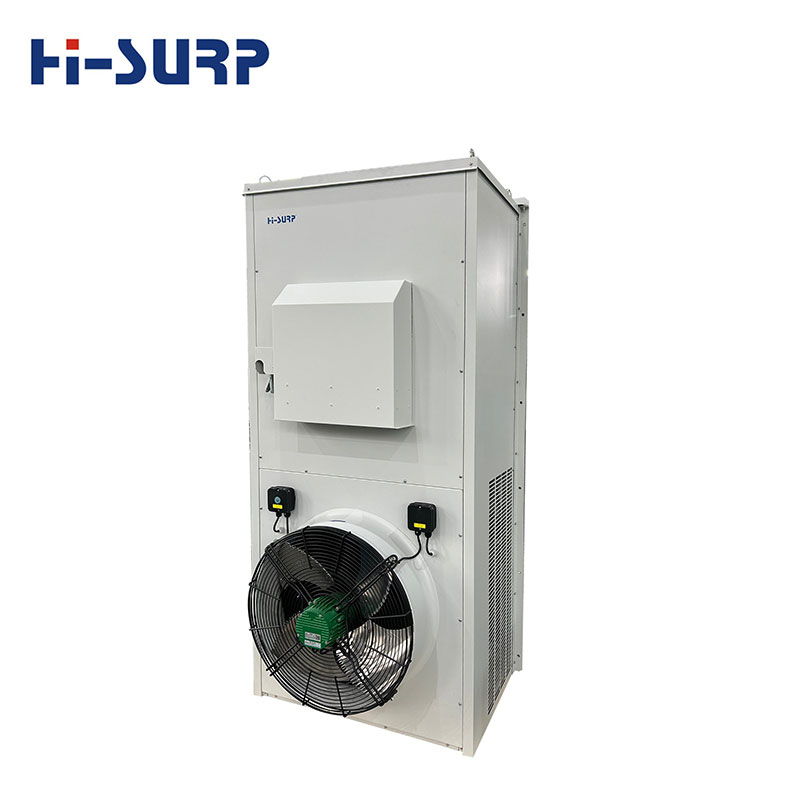
What SEER Actually Measures
SEER stands for Seasonal Energy Efficiency Ratio. It is calculated by dividing the total cooling output (in BTUs) during a typical cooling season by the total electrical energy input (in watt-hours) over that same period. In simple terms, a Electrical House Air Conditioner with a 16 SEER rating delivers 16 BTUs of cooling for every watt-hour of electricity consumed, while a 10 SEER unit delivers only 10 BTUs for the same energy input.
| SEER Rating | Relative Efficiency | Annual Energy Cost (Est.)* |
|---|---|---|
| 14 (Minimum US Standard) | Baseline | $1,200 |
| 16 | ~14% more efficient | $1,032 |
| 18 | ~28% more efficient | $864 |
| 20 | ~42% more efficient | $696 |
| 22+ (Premium) | ~55%+ more efficient | $540+ |
*Based on 2,000 sq. ft. home, 1,500 cooling hours/year, $0.15/kWh. Actual costs vary.
The Real Savings Calculation
To determine if a higher SEER Electrical House Air Conditioner saves money, you must compare the upfront premium against cumulative operational savings over the unit’s lifespan. Here is a practical example:
-
Baseline unit (14 SEER): $3,500 installed
-
High-efficiency unit (20 SEER): $6,200 installed
-
Premium difference: $2,700
-
Annual savings (20 vs. 14 SEER): ~$504 per year (from table above)
-
Payback period: $2,700 ÷ $504 ≈ 5.4 years
Since a well-maintained Electrical House Air Conditioner typically lasts 12–15 years, the higher SEER model generates net savings of roughly $3,000 to $4,500 over its lifetime—provided you live in a hot climate and use cooling for at least 4–5 months annually.
When a Higher SEER Does NOT Save Money
However, the math flips in cooler regions or for part-time users. Consider these scenarios:
| Scenario | Annual Cooling Hours | 14 SEER Cost | 20 SEER Cost | Annual Savings | Payback Period |
|---|---|---|---|---|---|
| Hot climate (Texas, Florida) | 2,000 hrs | $1,600 | $928 | $672 | 4.0 years |
| Mild climate (Pacific NW) | 600 hrs | $480 | $278 | $202 | 13.4 years |
| Vacation home (used 3 months) | 400 hrs | $320 | $185 | $135 | 20.0 years |
In mild or seasonal-use cases, the premium for a high-SEER Electrical House Air Conditioner may never be recovered before the system needs replacement. Hicon recommends that customers in cooler states focus on reliability and warranty rather than chasing maximum SEER numbers.
Beyond SEER: Other Factors That Impact Savings
SEER is not the only variable. Installation quality, ductwork integrity, thermostat programming, and regular maintenance often matter just as much. A poorly installed 20 SEER unit can easily underperform a correctly installed 16 SEER system. Hicon engineers emphasize that refrigerant charge accuracy, airflow calibration, and filter cleanliness directly affect real-world efficiency more than the lab-tested SEER label suggests.
3 Frequently Asked Questions About Electrical House Air Conditioners
Q1: How many years does it typically take for a higher SEER Electrical House Air Conditioner to pay for itself?
A1: The payback period ranges from 4 to 8 years for most US homeowners, depending on local electricity rates and annual cooling hours. In hot states like Arizona or Nevada, payback often occurs within 4–5 years. In cooler northern states, it can stretch to 7–9 years. To calculate your specific payback, divide the price premium by your estimated annual savings (use your utility bill’s average summer cost). Hicon offers a free online calculator that factors in your ZIP code, home size, and current rate to give a personalized estimate.
Q2: Is a 20 SEER Electrical House Air Conditioner always better than a 16 SEER model for a two-story home?
A2: Not necessarily. Two-story homes often face uneven cooling due to heat rising to the upper floor. A 16 SEER unit with a properly zoned duct system and variable-speed blower can deliver superior comfort and similar energy bills compared to a 20 SEER single-stage unit. Efficiency is about the whole system—compressor type, evaporator coil match, and thermostat logic matter more than the SEER number alone. Hicon always advises pairing high-SEER outdoor units with compatible indoor air handlers to avoid efficiency losses of up to 15%.
Q3: Does a higher SEER Electrical House Air Conditioner require more expensive maintenance or repairs?
A3: Yes, generally. High-SEER systems use advanced inverter compressors, electronic expansion valves, and complex control boards. These components are more costly to replace than the simpler parts found in baseline models. For example, an inverter board replacement can cost $800–$1,200, whereas a standard contactor and capacitor repair runs under $300. However, **Hicon** units come with extended 10-year compressor warranties and 5-year parts coverage, which significantly offset these risks. Budget an extra $50–$100 annually for professional maintenance on a high-SEER system to keep it operating at peak performance.
Summary Decision Matrix
| Your Profile | Recommended SEER | Why |
|---|---|---|
| Live in South/Southeast US, use AC 6+ months | 18–20 | Maximizes lifetime savings |
| Live in Midwest/Northeast, moderate summers | 16–17 | Best balance of cost vs. efficiency |
| Occasional use, rental property, or mild climate | 14–15 | Lowest upfront cost, faster ROI |
| Prioritize environmental impact over cost | 20+ | Reduces carbon footprint significantly |
Final Verdict
Yes, a higher SEER Electrical House Air Conditioner does save money—but only under the right conditions. The savings are real, measurable, and often substantial for full-time residents in warm climates. However, the premium becomes a poor investment for seasonal users or those in temperate zones. The key is to match the SEER rating to your actual usage pattern, not to chase the highest number on the shelf.
At Hicon, we believe in transparent, data-driven recommendations. Our certified technicians evaluate your home’s insulation, duct design, window orientation, and local weather data before suggesting any model. We never oversell SEER—we sell the right fit for your wallet and comfort.
Ready to find your ideal Electrical House Air Conditioner? Contact Hicon today for a complimentary site assessment and personalized savings projection. Our team will break down the numbers, explain every option, and help you choose a system that cools efficiently without breaking your budget. Reach out via our website or call our toll-free number—we are here to answer every question and ensure your home stays perfectly comfortable all year round.