

Article Summary: Moving heavy molds safely and efficiently is a major challenge in modern manufacturing facilities. Traditional transportation methods often create problems such as long handling times, safety risks, equipment damage, and poor workflow coordination. A Mold Cart System provides a dedicated solution designed to simplify mold movement, improve operational efficiency, and support safer production environments. This article explains how mold cart systems work, their key advantages, selection considerations, common applications, and maintenance practices. It also introduces how ADCS helps manufacturers optimize their mold handling processes with reliable industrial solutions.
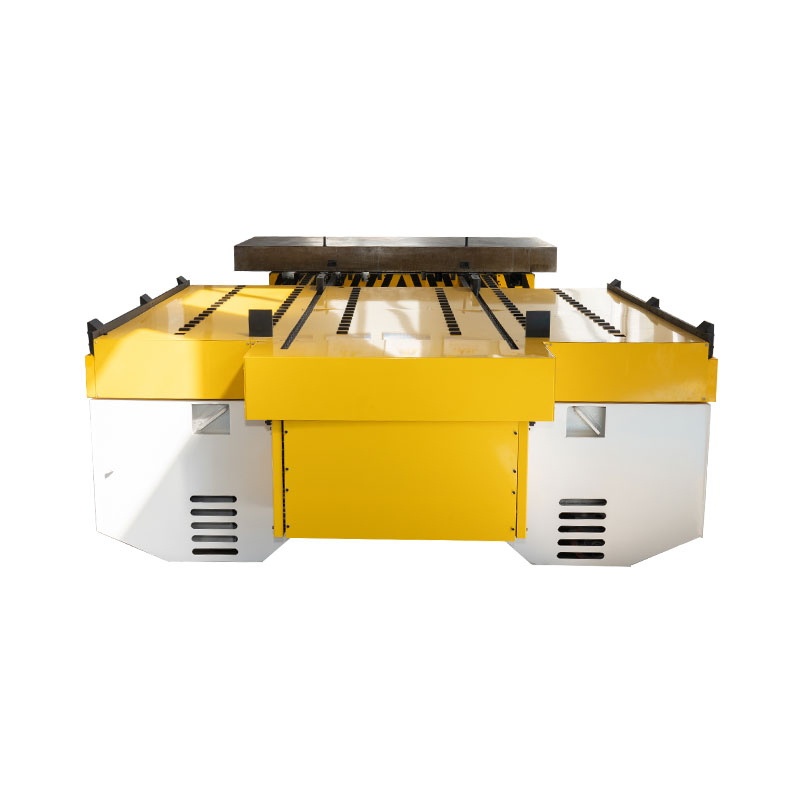
1. Understanding the Mold Cart System
A Mold Cart System is an industrial transportation solution specifically designed for moving heavy molds, dies, tooling components, and production equipment inside manufacturing facilities. Unlike general-purpose carts, mold carts are engineered according to the special requirements of mold handling, including high load capacity, precise positioning, and stable movement.
Molds used in industries such as plastic injection molding, automotive manufacturing, metal forming, and die casting can weigh several tons. Moving these components manually or with unsuitable equipment can increase operational risks and damage valuable tooling.
A properly designed Mold Cart System helps production teams transfer molds between storage areas, maintenance stations, and production machines with improved control and efficiency.
Main components of a mold cart system include:
- Heavy-duty cart platform: Provides stable support for large and heavy molds.
- Drive system: Allows controlled movement according to factory requirements.
- Positioning mechanism: Helps align molds accurately with production equipment.
- Safety control system: Improves operator protection during transportation.
- Customized structure: Allows adaptation to different factory layouts and mold sizes.
2. Common Challenges in Mold Transportation
Manufacturers often face difficulties when moving molds between different production areas. These challenges can affect productivity, worker safety, and equipment service life.
| Challenge | Possible Impact | How a Mold Cart System Helps |
|---|---|---|
| Heavy mold weight | Increased injury risk and slow handling | Provides powered transportation with strong load capacity |
| Limited factory space | Difficult movement around machines | Can be designed for specific working environments |
| Frequent mold changes | Long machine downtime | Supports faster mold transfer and positioning |
| Manual handling methods | Higher risk of accidents and damage | Creates a safer and more controlled process |
| Incorrect positioning | Installation delays and alignment problems | Improves positioning accuracy |
Without suitable transportation equipment, mold handling can become a bottleneck in production. Reducing unnecessary movement time and improving handling accuracy are important steps toward a more efficient manufacturing process.
3. How Can a Mold Cart System Improve Production Efficiency?
Reducing Mold Changeover Time
In many manufacturing operations, production efficiency depends heavily on how quickly molds can be installed, removed, and replaced. A Mold Cart System allows operators to transport molds directly between designated areas, reducing unnecessary lifting and manual adjustment.
Improving Workplace Safety
Heavy molds create significant safety concerns when moved using unsuitable methods. A dedicated mold cart reduces dependence on manual handling and provides better control during transportation, helping create a safer working environment.
Protecting Valuable Tooling Equipment
Molds are precision components that require careful handling. Sudden impacts, unstable movement, or incorrect positioning may cause expensive damage. A stable cart system helps minimize vibration and accidental contact during transportation.
Optimizing Factory Workflow
Production facilities need smooth material flow to maintain productivity. By creating a reliable transportation route for molds, manufacturers can improve coordination between storage, maintenance, and production departments.
4. Industrial Applications of Mold Cart Systems
Mold cart solutions are widely used in industries where heavy tooling components must be moved safely and efficiently.
- Plastic Injection Molding: Helps transport injection molds between machines and storage locations.
- Automotive Manufacturing: Supports movement of large stamping dies and automotive tooling.
- Die Casting Production: Provides stable transportation for heavy casting molds.
- Metal Processing: Helps move forming tools and production fixtures.
- Manufacturing Workshops: Improves internal logistics for large industrial components.
Different industries have different requirements. Some facilities need compact carts for narrow spaces, while others require customized systems capable of transporting extremely heavy molds.
5. How to Select the Right Mold Cart System
Selecting suitable equipment requires careful evaluation of the working environment and production requirements.
Consider Load Capacity
The first step is determining the maximum mold weight. The selected cart should have sufficient capacity with an appropriate safety margin.
Evaluate Factory Conditions
- Available transportation space
- Floor conditions
- Travel distance
- Turning requirements
- Machine positioning needs
Check Control Requirements
Different applications may require manual control, remote operation, automatic positioning, or integration with factory systems. Understanding these requirements helps avoid purchasing unsuitable equipment.
Confirm Customization Options
Because molds vary significantly in size and shape, customized platforms, lifting functions, positioning devices, and safety systems may be necessary.
6. Important Features and Design Considerations
| Feature | Benefit |
|---|---|
| High-strength structure | Supports heavy molds during transportation |
| Reliable drive system | Provides smooth and controlled movement |
| Safety protection | Reduces operational risks |
| Custom dimensions | Matches different mold sizes and layouts |
| Easy maintenance design | Improves long-term usability |
When evaluating a Mold Cart System, manufacturers should focus on reliability, durability, and compatibility with existing production processes rather than only considering initial purchase cost.
7. Maintenance and Operation Tips
Proper maintenance helps extend equipment service life and maintain safe operation.
- Regularly inspect wheels, motors, and mechanical components.
- Check electrical systems and control functions according to maintenance schedules.
- Keep the cart surface clean and remove debris that may affect positioning.
- Follow recommended load limits and avoid overloading.
- Train operators on correct usage procedures.
- Record inspections and repairs for future reference.
A preventive maintenance plan can reduce unexpected downtime and improve the reliability of the mold transportation process.
8. Frequently Asked Questions
Q1: What is a Mold Cart System used for?
A Mold Cart System is used to transport heavy molds, dies, and tooling components safely inside industrial facilities. It improves handling efficiency and reduces risks associated with manual transportation.
Q2: How much weight can a mold cart carry?
The load capacity depends on the specific design and application requirements. Manufacturers can provide customized solutions based on mold weight, size, and operating conditions.
Q3: Can a mold cart system be customized?
Yes. Many mold cart systems can be customized according to factory layout, mold dimensions, transportation distance, positioning requirements, and control preferences.
Q4: Why is a dedicated mold cart better than a standard industrial cart?
Dedicated mold carts are designed for heavy tooling applications. They usually provide higher load capacity, better stability, improved positioning accuracy, and stronger safety features.
Q5: How can manufacturers improve mold handling efficiency?
Manufacturers can improve efficiency by using suitable transportation equipment, optimizing workflow planning, maintaining equipment regularly, and selecting solutions that match actual production needs.
Improve Your Mold Handling Process with ADCS
A reliable Mold Cart System can help manufacturers reduce handling difficulties, improve workplace safety, protect valuable molds, and create smoother production workflows. Choosing the right solution requires professional evaluation of load requirements, factory conditions, and operational goals.
ADCS provides industrial equipment solutions designed to meet different manufacturing requirements. If you are looking for a dependable mold transportation solution or need assistance selecting the right system for your facility, please feel free to contact us for professional support and customized solutions.