

Article Summary
A Quick Mold Change System (QMC) is designed to reduce the time and manual effort required to replace molds on compatible manufacturing equipment. By combining suitable clamping devices, positioning arrangements, mold handling equipment, and control functions, it can make changeovers more predictable and repeatable. This guide explains the main components, operational benefits, equipment selection criteria, safety considerations, implementation steps, and maintenance practices that manufacturers should evaluate before investing in a quick mold change solution.
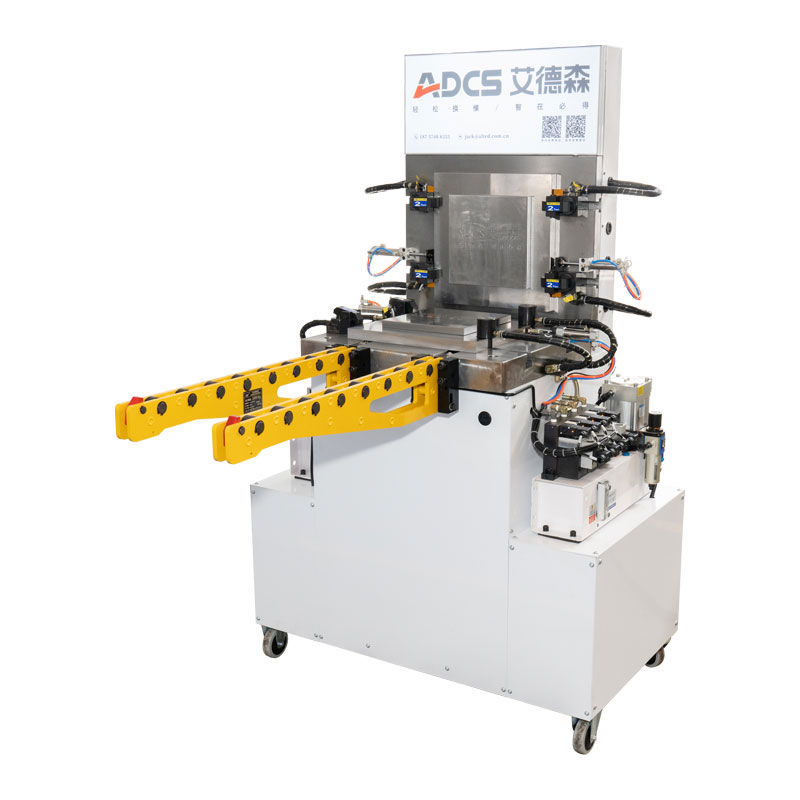
1. Understanding Quick Mold Change Systems
A Quick Mold Change System is an integrated solution that helps production teams remove one mold and install another with less downtime and fewer repetitive manual operations. It is particularly valuable in factories that manufacture multiple product models, process frequent small batches, or operate machines that require regular tooling changes.
Traditional mold replacement may involve releasing numerous fasteners, arranging lifting equipment, moving a heavy mold, aligning it with the machine, tightening the mounting hardware, and checking the installation before production resumes. A properly configured quick change system standardizes and simplifies these activities.
Depending on the machine and application, a solution may include quick-change clamps, hydraulic or mechanical locking devices, positioning components, mold transfer equipment, control interfaces, and safety interlocks. Not every installation requires every component. The appropriate configuration depends on mold weight, machine structure, production volume, and the required level of automation.
2. Why Traditional Mold Changes Create Production Bottlenecks
In many factories, mold changing is treated as an unavoidable interruption rather than a process that can be measured and improved. However, recurring changeover delays can accumulate into substantial capacity losses, especially when several product variants share the same equipment.
Excessive Downtime
Operators may spend considerable time locating tools, removing fasteners, preparing lifting equipment, and waiting for the next mold. The machine remains unavailable throughout these activities.
Labor-Intensive Handling
Repeated manual operations place additional demands on maintenance and production personnel. Heavy tooling also requires suitable lifting methods and controlled movement.
Inconsistent Positioning
Manual alignment can introduce variation, additional adjustment work, and the risk of damaged locating surfaces or incorrect installation.
Unpredictable Scheduling
When changeover duration varies between operators or machines, production planners have difficulty estimating completion times and maintaining reliable delivery schedules.
These issues become more serious when customer demand shifts toward smaller batches and more frequent product changes. Long changeovers encourage manufacturers to run larger batches than necessary, potentially increasing work-in-process inventory and extending order lead times.
A quick mold change project should therefore begin with a practical assessment of the current process. Record the time spent on preparation, mold removal, transportation, positioning, securing, inspection, and first-piece approval. This baseline reveals where improvements will have the greatest impact.
3. Essential Components and Working Principles
A quick mold change solution works best when its mechanical equipment, handling method, and operating sequence are designed around the actual production machine. Understanding the main components helps purchasing and engineering teams compare solutions more accurately.
Quick-Change Clamping Devices
Clamps secure the mold to the machine or designated mounting surface. Depending on the application, they may use hydraulic, pneumatic-assisted hydraulic, mechanical, or other engineered locking arrangements. The selected system must provide the required retention force and remain compatible with the machine's operating loads and safety requirements.
Positioning and Alignment Components
Locating features, guides, stops, and suitable mounting interfaces help the replacement mold reach its intended position. Repeatable alignment reduces unnecessary adjustment and supports consistent setup, provided that the mold and machine interfaces are properly designed and maintained.
Mold Transfer and Handling Equipment
Mold carts, transfer tables, rollers, or automated handling devices can help move heavy tooling between storage and the production machine. The correct arrangement depends on mold dimensions, floor conditions, travel distance, loading height, and the available workspace.
Control and Safety Functions
Depending on the system design, controls can coordinate clamp release, mold positioning, clamping, and machine readiness checks. Pressure monitoring, position confirmation, interlocks, and fault indications may be incorporated where appropriate. Safety functions must be validated for the complete machine installation rather than assumed from the presence of an individual component.
| Component | Primary Purpose | Selection Consideration |
|---|---|---|
| Quick-change clamps | Secure the mold during operation | Retention force, interface, and fail-safe behavior |
| Positioning devices | Support repeatable mold alignment | Required accuracy and mounting geometry |
| Mold transfer equipment | Move tooling into and out of the machine | Load capacity, dimensions, and travel path |
| Control system | Coordinate the changeover sequence | Machine compatibility and fault monitoring |
| Safety interlocks | Prevent hazardous operating conditions | Risk assessment and verified safety functions |
In a typical changeover, the machine is placed in the required safe state, the existing mold is released according to the approved procedure, and the tooling is transferred out using suitable handling equipment. The replacement mold is positioned, secured, and checked before the machine is permitted to return to production. The exact sequence must follow the machine manufacturer's instructions and the validated system design.
4. Key Benefits of a Quick Mold Change System
Reduced Changeover Downtime
Standardized connections and faster mold handling can reduce time spent on repetitive setup activities. More importantly, a well-planned changeover makes the duration more predictable, allowing production planners to coordinate jobs with greater confidence.
Improved Equipment Utilization
When less scheduled time is consumed by tooling changes, more time becomes available for productive operation. This can improve the effective use of existing machinery and help factories respond to higher demand without immediately purchasing additional equipment.
Better Workplace Safety
Engineered clamping and transfer arrangements can reduce unnecessary manual handling and exposure to pinch points during mold replacement. However, safe operation still depends on proper guarding, suitable lifting equipment, training, isolation procedures, and verified interlocks. A quick-change system must never be treated as a substitute for lockout/tagout or other required energy-control procedures.
Greater Production Flexibility
Shorter and more consistent changeovers make it easier to schedule smaller batches and switch between product variants. Manufacturers can respond more effectively to changes in customer demand without relying as heavily on large production runs.
Lower Operating Costs
Reduced setup labor, fewer avoidable delays, and better machine utilization can improve operating economics. Actual savings depend on the frequency of mold changes, labor requirements, system investment, maintenance costs, and the value of recovered production time.
More Consistent Setup Quality
Standardized mold interfaces and repeatable positioning can reduce operator-to-operator variation. Combined with documented setup checks, they help production teams establish more consistent starting conditions for each manufacturing run.
5. Industries and Applications
Quick mold change technology is useful wherever tooling replacement is a recurring production activity. The configuration should always be matched to the specific machine, tooling, and operating environment.
Automotive Manufacturing
Stamping and component production frequently involve multiple part designs and tooling requirements. Efficient die changes help production teams coordinate different jobs and reduce interruptions across demanding manufacturing schedules.
Home Appliance Production
Manufacturers producing housings, panels, and other molded or stamped components may need to alternate between product models. A repeatable changeover process supports flexible production planning and more responsive order fulfillment.
Electronics and Consumer Products
Short product life cycles and frequent design updates can increase the number of tooling changes required. Faster setup can help manufacturers handle product variation without allowing changeover work to dominate available machine time.
Plastic Injection Molding and Die Casting
Compatible quick mold change solutions can simplify the replacement of molds used for plastic or metal component production. Selection must account for machine dimensions, mold mass, operating temperatures, utility connections, and the requirements of the individual process.
Metal Stamping and General Industrial Production
Press operations involving multiple dies or frequent tooling changes can benefit from suitable quick-change clamps, handling equipment, and standardized setup procedures. Compatibility with press construction and the required clamping loads remains essential.
6. How to Select the Right Quick Mold Change System
The fastest-looking solution is not necessarily the best choice for a particular factory. A reliable investment begins with engineering requirements, production data, and a clear understanding of the existing machine.
Evaluate Machine Compatibility
Document the machine model, platen or mounting dimensions, available installation space, existing interfaces, utilities, and control architecture. For older equipment, confirm whether structural modifications or additional safety measures will be necessary.
Confirm Mold Specifications
Gather the dimensions, weight, center of gravity, mounting details, and utility requirements of the molds that will be changed. If several molds share one machine, assess the complete range rather than selecting equipment based on only the smallest or most common mold.
Determine the Required Automation Level
Some applications need only quick-change clamps and a standardized procedure. Others may benefit from powered transfer equipment, automated positioning, or integrated controls. Choose the level of automation that addresses actual bottlenecks and can be supported by the factory's maintenance capabilities.
Compare Total Cost of Ownership
The purchase price is only one part of the decision. Include installation, engineering, training, maintenance, replacement parts, downtime during commissioning, and any required machine modifications. Compare these costs with measurable operational benefits over a realistic evaluation period.
- Machine type, model, and technical specifications.
- Mold dimensions, weights, and mounting drawings.
- Current average changeover time and monthly change frequency.
- Required changeover sequence and desired automation level.
- Available installation space and utility information.
- Applicable safety requirements and integration constraints.
7. Implementation and Changeover Best Practices
Installing quick-change equipment is only one part of a successful improvement project. The surrounding workflow must also be organized so that preparation, transfer, inspection, and restart can be completed consistently.
Step 1: Measure the Existing Process
Record actual changeover durations across representative production runs. Separate machine-stopped time from preparation activities that can be completed beforehand. Identify repeated delays, unnecessary movement, missing tools, and avoidable adjustments.
Step 2: Prepare the Next Mold in Advance
Where practical and safe, complete approved offline preparation before the machine becomes available for changeover. Verify mold identification, cleanliness, condition, accessories, and required utility connections. This prevents avoidable searching and preparation during machine downtime.
Step 3: Standardize the Changeover Sequence
Develop a documented procedure covering machine shutdown, energy isolation where required, mold release, lifting and transfer, positioning, clamping, connection checks, and restart authorization. Define responsibilities clearly so that operators do not depend on informal practices or individual memory.
Step 4: Train Operators and Maintenance Personnel
Training should cover normal operation, permitted adjustments, warning indicators, inspection requirements, and fault response. Personnel must understand which actions are authorized and when a changeover must stop for engineering or maintenance assistance.
Step 5: Validate Before Full Production
Following installation, test the system under an approved commissioning plan. Verify mechanical fit, clamp engagement, position confirmation, interlocks, emergency stops, and the complete changeover sequence. Confirm the required process settings and first-piece quality before releasing the equipment for routine production.
Step 6: Review Performance and Improve
Compare post-installation results with the original baseline. Track average and maximum changeover time, setup-related defects, safety observations, maintenance events, and production schedule adherence. Use the results to refine work instructions and identify further improvements.
8. Calculating the Return on Investment
A practical business case should quantify how much productive time the system is expected to recover and how much of that time can translate into financial value. Avoid relying exclusively on advertised changeover speeds or theoretical maximum output.
Calculate Annual Time Savings
A useful starting formula is:
For example, suppose a factory performs 1,200 mold changes annually and reduces the average changeover by 20 minutes. The theoretical time recovered is 400 machine-hours per year. This is an illustrative calculation, not a guaranteed performance result.
Estimate the Financial Value
Multiply the recovered hours by a defensible hourly value for productive machine capacity. Avoid counting the same benefit twice if labor savings, additional production, and avoided overtime overlap. Also consider whether customer demand exists for the additional capacity.
Simple payback period = Initial project investment ÷ Annual net benefit
The payback calculation is meaningful only when the annual net benefit is positive and the assumptions are realistic. A full evaluation should also consider installation disruption, equipment life, financing, quality improvements, safety-related benefits, and changes in production demand.
| Performance Indicator | What to Measure | Why It Matters |
|---|---|---|
| Changeover duration | Elapsed time per mold change | Shows whether downtime is decreasing |
| Machine utilization | Productive operating time relative to planned availability | Indicates how effectively capacity is used |
| Setup quality | First-piece approval and setup-related defects | Checks that speed does not compromise quality |
| Maintenance demand | Faults, service hours, and replacement parts | Reveals ongoing ownership costs |
| Payback period | Initial investment divided by annual net benefit | Supports investment decisions |
9. Maintenance and Troubleshooting
Routine inspection helps maintain reliable clamping, repeatable positioning, and predictable changeover performance. The inspection schedule should follow the equipment manufacturer's recommendations and the actual operating environment.
Common Problems and Corrective Actions
| Observed Problem | Possible Causes | Recommended Response |
|---|---|---|
| Clamping does not complete | Insufficient supply pressure, contamination, misalignment, or a component fault | Stop the sequence and inspect according to the approved troubleshooting procedure |
| Mold positioning is inconsistent | Debris, worn locating features, or incorrect transfer alignment | Inspect locating surfaces and transfer equipment after making the system safe |
| Changeover time remains high | Poor preparation, unclear responsibilities, or recurring adjustments | Review recorded changeover steps and remove avoidable delays |
| Control system reports a fault | Missing confirmation signals, utility issues, or a component malfunction | Follow the fault procedure and have qualified personnel diagnose the cause |
| Abnormal wear or leakage appears | Seal deterioration, contamination, or mechanical damage | Stop use when safety or retention may be affected and arrange qualified inspection |
Never bypass an interlock, defeat a safety device, or attempt to correct a suspected clamping fault while the machine remains in a hazardous state. Apply the required isolation procedures before inspection, and return equipment to service only after the fault has been corrected and necessary checks have been completed.
10. Frequently Asked Questions
What is a Quick Mold Change System?
It is a system designed to simplify and accelerate mold replacement on compatible manufacturing equipment. Depending on the application, it may include quick-change clamps, positioning devices, mold transfer equipment, and control or safety functions.
Which machines can use a quick mold change solution?
Potential applications include compatible injection molding machines, stamping presses, hydraulic presses, die-casting machines, and other equipment that requires regular tooling changes. Suitability must be confirmed for the machine model, mold specifications, and installation conditions.
How much changeover time can the system save?
The result depends on the original process, changeover frequency, tooling design, handling arrangements, and system configuration. Manufacturers should establish a baseline and validate actual performance during commissioning rather than assume a universal time-saving percentage.
Does quick mold change equipment require machine modification?
Some installations may use existing interfaces, while others require mechanical, hydraulic, electrical, or control integration. An engineering review should determine what modifications are necessary and whether the machine structure can safely accommodate the proposed system.
Is a quick mold change system suitable for small-batch production?
Yes, it can be especially useful when frequent changes between product variants make traditional setups expensive. The business case depends on the number of changeovers, achievable time savings, investment cost, and demand for the recovered capacity.
How does a quick mold change system improve safety?
Properly designed clamping and handling equipment can reduce unnecessary manual handling and help standardize the replacement process. Safe operation still requires appropriate risk assessment, guarding, energy isolation, training, and validated machine interlocks.
What information is needed to request a quotation?
Prepare the machine model, mold dimensions and weight, mounting drawings, current changeover procedure, required automation level, available utilities, and relevant safety requirements. Photos and layout drawings can help the supplier assess installation constraints.
How can manufacturers maintain consistent performance?
Follow the recommended inspection schedule, keep locating surfaces clean, monitor clamping and control functions, replace worn components promptly, and train operators to use standardized procedures. Review changeover data regularly to identify recurring delays or faults.
11. Build a More Flexible Manufacturing Process
Manufacturing competitiveness depends on more than machine speed. The ability to change products efficiently, maintain consistent quality, protect employees, and meet delivery commitments is equally important. A properly selected Quick Mold Change System can help address these priorities by making tooling changes more controlled and less disruptive.
The best results come from combining suitable equipment with well-planned mold preparation, standardized procedures, effective operator training, and ongoing performance measurement. By understanding the current bottlenecks and defining clear project objectives, manufacturers can make a more informed decision about the technology and configuration their production lines actually need.
Improve Your Changeover Efficiency with ADCS
Looking to reduce mold change downtime, improve tooling handling, and create a more flexible production line? ADCS provides mold-changing solutions for industrial manufacturing applications, with options to evaluate according to your equipment and production requirements.
Share your machine specifications, mold dimensions, current changeover challenges, and automation goals with our team. We can discuss your application and help you identify a suitable solution for your production environment.
Ready to make your mold change process more efficient? Visit ADCS Quick Mold Change System to learn more, or contact us to discuss your project and request further information.