Article Summary
The increasing demand for sustainable resource management has made metal recycling a critical part of modern industrial operations. However, many recycling companies, scrap yards, and manufacturing facilities still face challenges such as high transportation expenses, inefficient storage, unstable scrap handling processes, and low recycling profitability. A Scrap Metal Baler provides an effective solution by compressing loose metal waste into compact and manageable bales, improving storage efficiency, reducing logistics costs, and increasing the overall value of recyclable materials.
This article explains how Scrap Metal Balers work, why they are essential for efficient scrap processing, how businesses can select the right equipment, and what operational benefits they can achieve. With professional manufacturing experience, LECOHYDRAULIC provides reliable hydraulic baling solutions designed to meet different industrial recycling requirements.
Article Outline
-
Understanding the role of Scrap Metal Balers in recycling operations
-
Identifying common problems in scrap metal management
-
Exploring the efficiency advantages of hydraulic baling technology
-
Choosing suitable equipment based on material types and production needs
-
Improving recycling profitability through optimized scrap handling
What Is a Scrap Metal Baler?
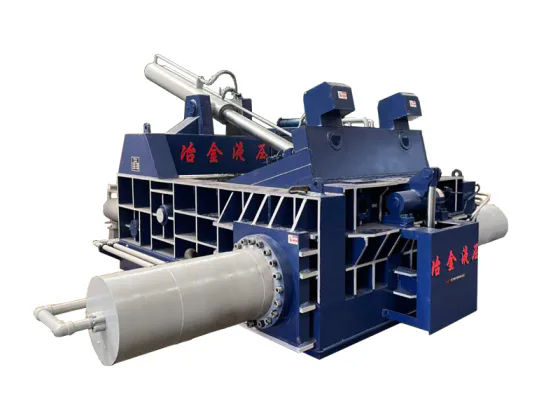
A Scrap Metal Baler is specialized recycling equipment designed to compress loose metal materials into dense blocks or bundles. Using powerful hydraulic pressure, the machine reduces the volume of scrap metal, making it easier to store, transport, and process.
During industrial production, large amounts of metal waste such as steel scraps, aluminum pieces, copper leftovers, and other recyclable materials are generated every day. Without proper processing equipment, these materials often occupy significant space and create difficulties in handling and transportation.
A modern Scrap Metal Baler transforms scattered scrap materials into standardized compact bales. This not only improves workplace organization but also increases loading efficiency during transportation, allowing businesses to handle larger quantities of recyclable metals with fewer resources.
|
Feature
|
Function
|
Business Advantage
|
|
Hydraulic Compression System
|
Applies strong pressure to compress metal waste
|
Creates dense and stable metal bales
|
|
Compact Design
|
Reduces scrap storage requirements
|
Saves warehouse and yard space
|
|
Automatic Operation
|
Improves processing speed
|
Reduces labor requirements
|
|
Heavy-Duty Structure
|
Supports continuous industrial use
|
Provides long service life
|
What Challenges Do Scrap Recycling Businesses Face?
Although scrap metal recycling creates significant economic and environmental value, many companies experience operational difficulties when handling loose metal waste.
-
Limited Storage Space: Loose scrap metal takes up large areas, increasing facility management pressure.
-
High Transportation Costs: Low-density scrap materials require more trips and increase fuel expenses.
-
Unstable Material Handling: Irregular scrap shapes make loading and sorting inefficient.
-
Reduced Recycling Value: Poorly organized scrap may affect processing efficiency and selling prices.
-
Safety Concerns: Sharp and scattered metal waste can create workplace hazards.
For recycling companies aiming to improve productivity, investing in suitable compression equipment is an important step toward creating a more efficient workflow.
How Does a Scrap Metal Baler Solve These Problems?
A Scrap Metal Baler provides multiple advantages by optimizing every stage of scrap management. Through powerful compression technology, businesses can significantly improve operational efficiency.
1. Reducing Scrap Storage Volume
The biggest advantage of metal baling is volume reduction. Loose metal waste can be compressed into dense packages that require much less storage space. This allows recycling facilities to maximize available areas and maintain cleaner working environments.
2. Lowering Transportation Expenses
Compressed metal bales have higher density compared with loose scrap. More material can be loaded into trucks or containers, reducing transportation frequency and lowering logistics costs.
3. Improving Recycling Efficiency
Standardized metal bales are easier to handle, sort, and process. Recycling facilities can create smoother workflows and improve overall production capacity.
4. Enhancing Workplace Safety
By organizing scattered metal waste into compact units, Scrap Metal Balers reduce clutter and minimize risks caused by sharp or unstable scrap piles.
How Does a Scrap Metal Baler Work?
Most Scrap Metal Balers operate through hydraulic systems that generate high compression force. The working process generally includes several steps:
-
Metal scrap is placed into the feeding chamber.
-
The hydraulic system activates the compression mechanism.
-
The machine applies pressure to compact the metal materials.
-
The compressed bale is discharged for storage or transportation.
Hydraulic technology allows the equipment to handle different metal materials while maintaining stable performance. Manufacturers such as LECOHYDRAULIC focus on developing durable hydraulic solutions that support demanding industrial environments.
How to Choose the Right Scrap Metal Baler?
Selecting suitable equipment requires careful consideration of material characteristics, production capacity, and operating conditions.
|
Selection Factor
|
Important Consideration
|
|
Material Type
|
Different metals require different compression capabilities.
|
|
Processing Volume
|
Higher production requires stronger and more efficient machines.
|
|
Bale Size Requirements
|
Choose dimensions suitable for storage and transportation.
|
|
Automation Level
|
Automatic systems improve productivity and reduce labor costs.
|
|
Machine Durability
|
Heavy-duty construction ensures reliable long-term operation.
|
What Industries Use Scrap Metal Balers?
Scrap Metal Balers are widely used in industries where metal waste generation is significant.
-
Metal recycling centers
-
Automotive manufacturing plants
-
Steel processing facilities
-
Machine manufacturing companies
-
Metal fabrication workshops
-
Construction material recycling businesses
These industries rely on efficient scrap compression solutions to improve resource utilization and reduce waste management costs.
How to Maintain a Scrap Metal Baler for Long-Term Performance?
Proper maintenance helps ensure stable operation and extends equipment service life. Recommended practices include:
-
Regularly checking hydraulic oil levels and quality.
-
Inspecting hydraulic components for leakage.
-
Cleaning the compression chamber frequently.
-
Checking electrical systems and control components.
-
Replacing worn parts according to maintenance schedules.
A well-maintained Scrap Metal Baler can deliver consistent performance while reducing unexpected downtime.
Scrap Metal Baler Benefits Compared with Traditional Scrap Handling
|
Aspect
|
Traditional Handling
|
Using Scrap Metal Baler
|
|
Storage
|
Requires large open areas
|
Compact and organized storage
|
|
Transportation
|
Lower loading efficiency
|
Higher loading capacity
|
|
Labor Requirements
|
More manual handling
|
Improved automation
|
|
Safety
|
Loose scrap creates risks
|
Cleaner working environment
|
Frequently Asked Questions
Q1: What materials can a Scrap Metal Baler process?
A Scrap Metal Baler can process various recyclable metals, including steel scraps, aluminum, copper, and other industrial metal waste depending on machine specifications.
Q2: Why should recycling companies invest in a Scrap Metal Baler?
The equipment helps reduce storage space, decrease transportation costs, improve recycling efficiency, and create higher-value scrap packages.
Q3: Is a Scrap Metal Baler suitable for small recycling businesses?
Yes. Different models are available according to processing volume, space limitations, and operational requirements.
Q4: How long can a Scrap Metal Baler operate?
With proper maintenance and high-quality components, industrial balers can provide reliable service for many years.
Q5: Why choose LECOHYDRAULIC for Scrap Metal Baler solutions?
LECOHYDRAULIC focuses on hydraulic equipment manufacturing and provides durable, efficient, and customized baling solutions designed for global industrial applications.
Conclusion
A Scrap Metal Baler is an essential investment for businesses looking to improve scrap management efficiency, reduce operating expenses, and maximize recycling value. By compressing loose metal waste into compact bales, companies can achieve better storage utilization, safer working environments, and more efficient transportation processes.
Choosing reliable equipment from an experienced manufacturer ensures long-term productivity and stable performance. LECOHYDRAULIC provides professional hydraulic solutions designed to support various recycling industries with dependable equipment and customized service.
If you are looking for a high-performance Scrap Metal Baler to optimize your recycling operations, improve efficiency, and reduce costs, please contact us today. LECOHYDRAULIC is ready to provide professional solutions and help your business achieve better metal recycling results.