

How Can an Automatic Coating Machine Improve Coating Consistency and Production Efficiency?
2026-01-09
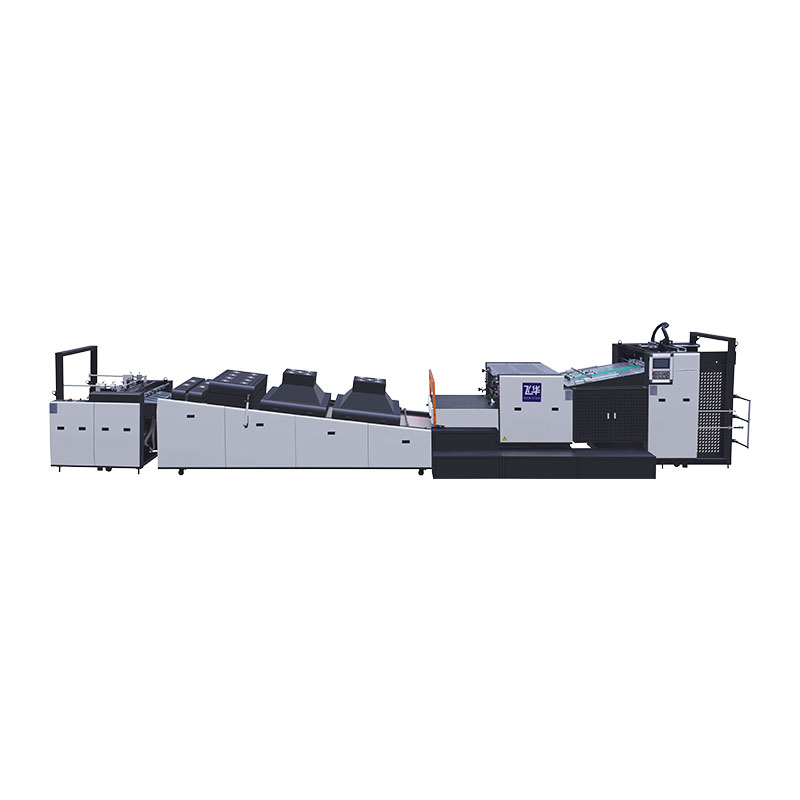
When I first started looking for ways to stabilize coating quality while keeping output predictable, I quickly realized that automation was no longer optional. As production scales up and customer requirements become stricter, relying on manual coating methods often leads to uneven thickness, higher rework rates, and rising labor pressure. This was also the moment when NEW STAR gradually came into my view, not as a sudden brand placement, but as a manufacturer whose solutions naturally aligned with real production pain points. In many of our discussions, the Automatic Coating Machine became the core topic because it directly addresses efficiency, consistency, and long-term cost control.
Why Is Manual Coating No Longer Enough for Modern Manufacturing?
In daily operations, manual coating depends heavily on operator experience, mood, and physical condition. From my experience, even skilled workers struggle to maintain identical coating thickness across long production runs. This is where an Automatic Coating Machine makes a clear difference by replacing uncertainty with repeatable, programmable control.
- Manual processes often result in uneven coating layers
- Production speed is limited by human endurance
- Material waste increases due to overcoating or rework
- Quality inspection becomes more time-consuming
By contrast, a well-designed Automatic Coating Machine standardizes the entire process, reducing variability while improving throughput.
What Practical Advantages Does an Automatic Coating Machine Bring to the Workshop?
From an operational perspective, automation is not only about speed. What matters more is control. During real production cycles, I noticed that the Automatic Coating Machine delivers measurable improvements across several dimensions.
| Production Aspect | Traditional Coating | Automatic Coating Machine |
|---|---|---|
| Coating Thickness Control | Highly dependent on operator skill | Digitally controlled and repeatable |
| Material Utilization | Higher waste rate | Optimized spray or roll parameters |
| Production Stability | Fluctuates between shifts | Stable across long runs |
| Labor Intensity | Physically demanding | Reduced manual involvement |
This level of consistency is especially valuable when coating quality directly affects product lifespan or appearance.
How Does Automation Help Reduce Long-Term Operating Costs?
At first glance, investing in an Automatic Coating Machine may seem like a higher upfront expense. However, from a long-term operational view, the cost structure changes significantly. Reduced material waste, fewer rejected parts, and lower labor dependency all contribute to a healthier production budget.
- Lower coating material consumption through precise application
- Fewer quality issues requiring rework
- More predictable maintenance planning
- Improved production scheduling accuracy
In our own calculations, these savings often offset the initial investment sooner than expected.
Why Is Process Flexibility Important in an Automatic Coating Machine?
One key factor I always evaluate is adaptability. Product specifications change, coatings evolve, and batch sizes fluctuate. A modern Automatic Coating Machine is not limited to a single process. Instead, it allows parameter adjustments for different coating materials, surface profiles, and output targets without major mechanical changes.
This flexibility means production lines stay responsive instead of becoming bottlenecks when new orders arrive.
How Can the Right Equipment Support Consistent Quality Growth?
Quality improvement is rarely achieved through inspection alone. It starts with process control. By integrating an Automatic Coating Machine into the workflow, quality becomes a built-in result rather than a corrective action. Over time, this approach strengthens customer trust and supports sustainable growth.
If you are evaluating how automation can upgrade your coating process and want to explore practical solutions tailored to your production needs, now is a good time to take the next step. Feel free to contact us to discuss specifications, application scenarios, or request more technical details. A well-matched solution today can define your production performance tomorrow.