

How Can Emergency Standby Power Systems Be Optimized for Both Residential and Industrial Use
2026-04-28
Uninterrupted operations during grid failures depend entirely on how well an Emergency Standby Power system is designed. For homeowners, a blackout means spoiled food and disrupted comfort. For industries, it translates to massive financial losses and safety hazards. Kecheng has spent years analyzing the distinct needs of both sectors to deliver optimization strategies that balance cost, efficiency, and reliability.
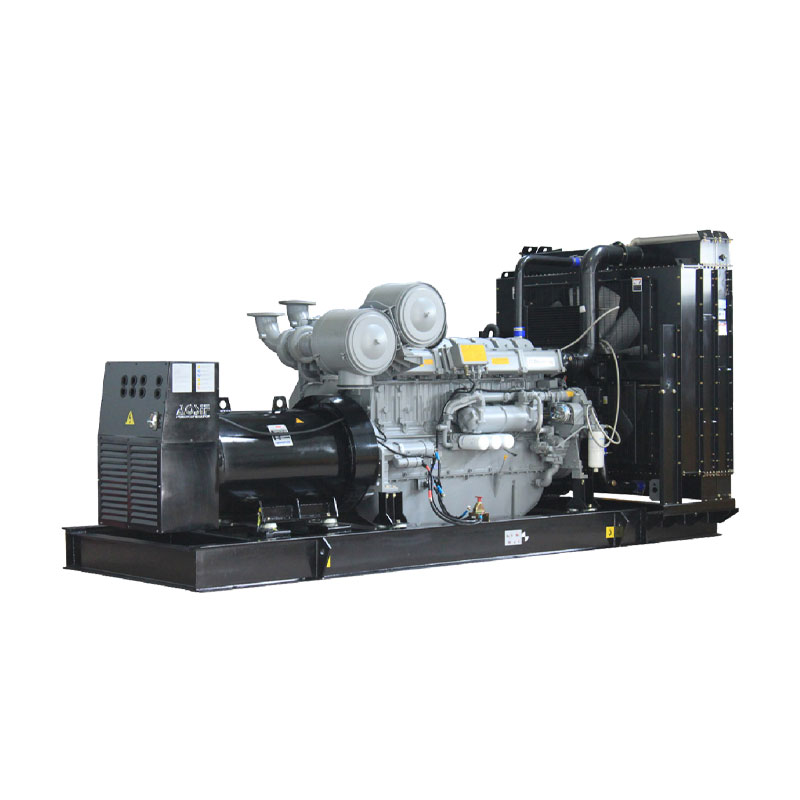
Core Optimization Strategies: Residential vs. Industrial
| Optimization Factor | Residential Application | Industrial Application |
|---|---|---|
| Load Priority | Essential circuits (refrigeration, lighting, medical devices) | Full production lines, servers, ventilation, and safety systems |
| Fuel Type | Natural gas or propane for extended low-load operation | Diesel or bi-fuel for high-load endurance and peak shaving |
| Transfer Time | 10–30 seconds (automatic transfer switch) | Sub-3 seconds (online UPS + generator hybrid) |
| Maintenance Cycle | Monthly visual check; yearly professional service | Continuous remote monitoring with weekly load bank testing |
| Scalability | Modular 8–20 kW units | Parallel multi-generator arrays up to several MW |
Three High-Impact Optimization Techniques
-
Intelligent Load Shedding – Both sectors benefit from smart controllers that automatically disconnect non-critical loads. Kecheng integrates priority-based relays that keep residential freezers running while shutting off pool pumps, and preserve industrial conveyor belts without starving CNC machines.
-
Hybrid Energy Storage Integration – Adding battery banks to an Emergency Standby Power system reduces generator runtime, fuel consumption, and noise. For homes, a 5 kWh buffer handles brief outages. For factories, megawatt-scale batteries smooth generator startup spikes.
-
Predictive Condition Monitoring – IoT sensors tracking oil temperature, vibration, and fuel quality preempt failures. Industrial users need real-time alerts; residential users benefit from smartphone notifications and annual health reports from Kecheng.
Emergency Standby Power FAQ
Question 1: How often should an emergency standby power system be exercised to ensure reliability?
Answer: Both residential and industrial systems require weekly or bi-weekly no-load runs for 10–15 minutes to lubricate components and dry moisture from windings. Full-load testing under actual facility load conditions must occur monthly for industrial systems and quarterly for residential units. Kecheng recommends automated exercise schedulers that log runtime data, because a generator that sits idle for six months has a 70% higher failure rate during real emergencies.
Question 2: Can a single emergency standby power design work for both a home and a factory
Answer: No. Residential systems prioritize quiet operation, compact size, and fuel economy using air-cooled engines typically below 50 kW. Industrial systems require liquid-cooled engines, heavy-duty alternators, and paralleling capabilities for loads exceeding 300 kW. Voltage regulation also differs: single-phase (120/240V) for homes versus three-phase (208V to 13.8kV) for industrial equipment. Kecheng engineers separate product lines because a hybrid design would add 40% unnecessary cost to either side without delivering optimal performance.
Question 3: What is the most common mistake that reduces emergency standby power lifespan
Answer: Undersizing the generator while oversizing the fuel tank. Users often calculate average load instead of peak inrush current from motors or compressors, causing voltage dip and eventual alternator failure. Conversely, using a massive tank without fuel polishing allows microbial growth in diesel. The correct optimization is: size the generator for peak locked rotor amps, install a fuel polishing system for any storage exceeding 500 gallons, and perform annual transfer switch inspections. Kecheng provides load analysis tools to eliminate both errors during system design.
Real-World Performance Table
| Parameter | Optimized Residential System | Optimized Industrial System | Standard Unoptimized System |
|---|---|---|---|
| Startup Success Rate | 99.7% (0–30 sec) | 99.9% (sub-5 sec) | Below 85% |
| Fuel Efficiency (per kWh) | 0.38 gal | 0.31 gal | 0.52–0.60 gal |
| Annual False Alarm Rate | <1 per 2 years | <0.5 per year | 3–5 per year |
Conclusion
Optimizing an Emergency Standby Power system means matching technology to real usage patterns. Homes benefit from smart load shedding and hybrid battery integration. Industries require predictive monitoring, paralleled generators, and rigorous full-load testing. Kecheng designs for both spectra without compromise.
Contact Us today for a free site-specific optimization plan. Our engineers will analyze your outage risks and deliver a certified Emergency Standby Power configuration that cuts hidden costs and guarantees 99.9% availability. Reach Kecheng via the contact form on our official website.