

How Do Bone Saw Machines Improve Meat Processing Efficiency?
2026-02-25
Summary: Bone Saw Machines play a critical role in modern meat processing, enhancing precision, speed, and workplace safety. This article explores different types of bone saws, their benefits, maintenance practices, and answers common questions to help businesses select the best machine for their operations.
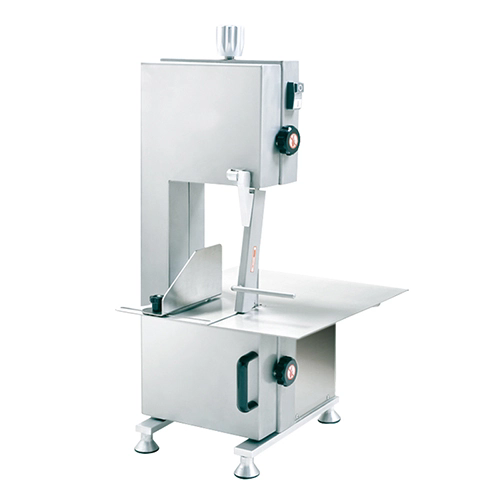
Table of Contents
- Introduction to Bone Saw Machines
- Types of Bone Saw Machines
- Key Benefits of Using Bone Saw Machines
- Essential Features to Consider
- Maintenance and Safety Tips
- Frequently Asked Questions
- Conclusion
Introduction to Bone Saw Machines
Bone Saw Machines are essential tools in butcheries, meat processing plants, and food production facilities. They are designed to cut through bones and meat with precision, reducing labor costs and improving operational efficiency. Unlike traditional manual saws, modern bone saws offer enhanced speed, accuracy, and safety, making them indispensable in commercial meat processing.
Types of Bone Saw Machines
Understanding the different types of bone saws helps businesses choose the right equipment for their needs:
| Type | Description | Best Use |
|---|---|---|
| Manual Band Saw | Traditional hand-operated saw with a continuous band blade. | Small butcher shops or low-volume operations. |
| Electric Band Saw | Motor-driven with adjustable speed and blade tension. | Medium to high-volume meat processing. |
| Vertical Bone Saw | Blade moves vertically, ideal for precise cuts of large meat blocks. | Commercial meat processing plants. |
| Horizontal Bone Saw | Horizontal blade movement for high-efficiency cutting of bones and meat. | Industrial processing with high throughput. |
Key Benefits of Using Bone Saw Machines
- Precision Cutting: Machines provide consistent cuts, minimizing meat waste.
- Increased Efficiency: High-speed motors allow faster processing compared to manual labor.
- Enhanced Safety: Guards and automatic features reduce the risk of accidents.
- Labor Cost Reduction: Less manual effort translates to lower operational costs.
- Versatility: Machines can handle a wide range of meat types and sizes.
Essential Features to Consider
When selecting a bone saw, businesses should evaluate the following features:
- Blade type and durability
- Motor power and speed settings
- Safety mechanisms including blade guards and emergency stops
- Ease of cleaning and maintenance
- Size and capacity suitable for production volume
Maintenance and Safety Tips
Proper maintenance ensures long-term performance and safety:
- Regularly sharpen or replace blades to maintain cutting efficiency.
- Clean machines daily to prevent contamination and meat residue buildup.
- Inspect electrical connections and motor components monthly.
- Train staff thoroughly on safety procedures and correct operation.
- Use protective equipment such as gloves and aprons during operation.
Frequently Asked Questions
- Q1: What types of meat can bone saw machines handle?
- A: Bone saw machines can process beef, pork, lamb, poultry, and even frozen meat blocks, depending on the model and blade type.
- Q2: How often should the blades be replaced?
- A: Blades typically require replacement every 3-6 months in high-volume settings, but usage and meat type can affect frequency.
- Q3: Are bone saw machines safe for small butcher shops?
- A: Yes, modern bone saws include safety features such as blade guards, emergency stops, and non-slip bases, making them suitable for small operations when used properly.
Conclusion
Investing in a high-quality Bone Saw Machine can transform meat processing operations by improving precision, efficiency, and safety. SYBO offers a wide range of reliable bone saws suitable for different production volumes and business needs. For personalized recommendations and professional support, contact us today and optimize your meat processing workflow.