

How Do Crusher Machines Work and What Are Their Key Specifications?
2026-01-05
Summary: Crusher Machines are essential tools in construction, mining, and industrial processing, designed to crush rocks, ores, and other materials into smaller, manageable sizes. This article provides an in-depth exploration of crusher machine types, specifications, common questions, and practical applications, guiding professionals and enthusiasts on selecting the right crusher machine for their needs.
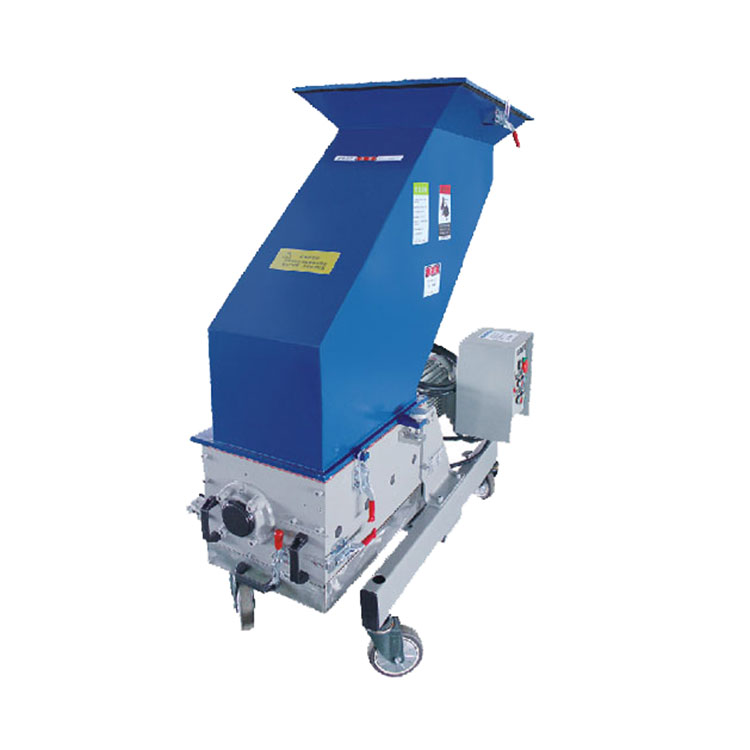
Table of Contents
1. Introduction to Crusher Machines
Crusher Machines are mechanical devices designed to reduce the size of large rocks, ores, and other hard materials. They play a vital role in construction, mining, and industrial processing by converting raw materials into usable aggregate or fine powders. The efficiency, reliability, and performance of these machines make them indispensable in modern industries.
The article’s central aim is to provide a detailed, professional overview of crusher machines, including their specifications, operational principles, practical applications, and answers to frequently asked questions.
2. Key Specifications of Crusher Machines
Crusher Machines come in various types including jaw crushers, cone crushers, impact crushers, and hammer crushers. Each type is designed for specific crushing tasks and materials. Below is a detailed specification table of a standard industrial crusher machine model:
| Specification | Details |
|---|---|
| Type | Jaw Crusher / Cone Crusher / Impact Crusher |
| Capacity | 50–1000 tons per hour |
| Feed Size | 50–1200 mm |
| Output Size | 5–100 mm adjustable |
| Power | 30–500 kW |
| Weight | 10–80 tons |
| Material | High-strength steel, manganese alloy |
| Applications | Mining, Quarrying, Construction, Recycling |
3. Common Questions About Crusher Machines
Q1: How does a crusher machine work?
A1: Crusher Machines operate by applying mechanical force to break down large materials into smaller pieces. Jaw crushers use compressive force by moving two plates together; cone crushers crush materials through a gyrating cone inside a stationary frame; impact crushers use impact force with rotating hammers or blow bars to shatter materials.
Q2: What maintenance is required for a crusher machine?
A2: Regular maintenance includes lubrication of moving parts, checking wear of crushing surfaces, replacing worn liners, inspecting belts and motors, and monitoring vibration or noise levels. Proper maintenance ensures high efficiency and extends the machine’s lifespan.
Q3: What are the factors affecting crusher machine efficiency?
A3: Efficiency depends on feed size, material hardness, crusher type, machine capacity, and operator settings. Using the correct crusher type for specific materials and ensuring regular maintenance significantly improve efficiency and output quality.
4. Applications and Industry Insights
Crusher Machines are widely used in:
- Construction: Crushing stones for road building, concrete, and infrastructure projects.
- Mining: Extracting minerals and ores, reducing particle size for further processing.
- Recycling: Processing construction and demolition waste to create reusable aggregates.
- Industrial Manufacturing: Producing raw materials for cement, steel, and chemical industries.
Emerging trends include the integration of automated control systems, energy-efficient designs, and advanced wear-resistant materials to reduce downtime and operational costs.
5. Conclusion and Brand Information
Choosing the right Crusher Machine depends on specific operational requirements, material types, and production goals. Brands such as Niasi provide reliable, high-quality machines with comprehensive support and service. For businesses seeking durable and efficient crushing solutions, consulting with Niasi experts ensures the most suitable machine is selected.
For inquiries or detailed product information, please contact us.