

How Do Mold Temperature Controllers Enhance Industrial Efficiency?
2026-01-07
Abstract: Mold Temperature Controllers (MTCs) are critical devices in industrial manufacturing processes, particularly in plastic injection molding and die-casting operations. They ensure precise control of mold temperature, directly influencing product quality, cycle time, and energy efficiency. This article provides a detailed overview of MTCs, their applications, key parameters, frequently asked questions, and best practices for industrial deployment.
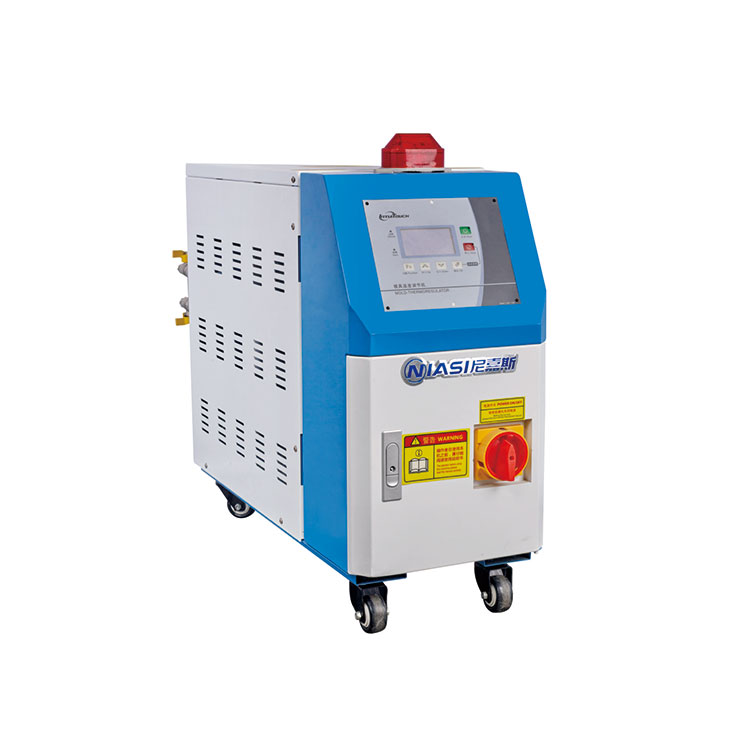
Table of Contents
- Introduction to Mold Temperature Controllers
- Types and Industrial Applications
- Common FAQs about Mold Temperature Controllers
- Best Practices for Using Mold Temperature Controllers
- Conclusion and Contact Information
Introduction to Mold Temperature Controllers
Mold Temperature Controllers (MTCs) are precision instruments designed to regulate the temperature of molds used in injection molding, die-casting, and other industrial processes. Maintaining an optimal and stable mold temperature is critical to producing high-quality, defect-free products while minimizing production downtime and energy consumption. MTCs integrate advanced heating and cooling systems, precise temperature sensors, and automated control mechanisms to deliver consistent thermal performance.
The central focus of this article is to explore how Mold Temperature Controllers improve operational efficiency, reduce manufacturing defects, and optimize production processes. Detailed technical specifications are presented below to illustrate the professional capabilities of modern MTCs.
Technical Parameters of Mold Temperature Controllers
| Parameter | Description | Typical Range |
|---|---|---|
| Temperature Range | Operational temperature control for mold surfaces | 20°C – 200°C (customizable) |
| Temperature Stability | Accuracy of temperature control at the mold | ±1°C |
| Flow Rate | Hydraulic or water circulation rate | 5 – 25 L/min |
| Power Supply | Electrical input requirements | 220V / 380V, 50/60Hz |
| Heating Power | Electric heating element capacity | 3 – 30 kW |
| Cooling Mode | Integrated cooling system type (water/chiller) | Water-based or refrigerant-based |
| Control Interface | User interface type for programming temperature cycles | PLC / Touchscreen / Digital Controller |
Types and Industrial Applications
Mold Temperature Controllers are broadly categorized based on heating methods, cooling methods, and application scenarios. The main types include:
1. Water-Type Mold Temperature Controllers
Use water circulation for heat transfer. Common in plastic injection molding where moderate temperature ranges are required. Advantages include cost efficiency and consistent temperature distribution.
2. Oil-Type Mold Temperature Controllers
Utilize thermal oil as a medium for higher temperature operations, up to 200°C or more. Ideal for precision molding of thermosetting plastics and composite materials.
3. Combined Heating/Cooling Systems
Integrate both electric heating and water/refrigerant cooling to allow rapid temperature changes, improving cycle time and production flexibility.
Industrial Applications:
- Plastic Injection Molding: Ensures consistent part dimensions and surface quality.
- Die Casting: Maintains mold thermal balance for metal alloys.
- Rubber Molding: Controls curing processes for elastomeric products.
- Composite Material Molding: Supports high-precision temperature control for laminates and reinforced plastics.
Common FAQs about Mold Temperature Controllers
Q1: How to select the right Mold Temperature Controller for a specific mold?
A1: Selection depends on mold size, production material, temperature range, and flow rate. Small molds may require low-capacity water-type MTCs, while large molds or high-temperature materials need oil-type or combined systems. Consider heating power, temperature stability, and control interface for optimal performance.
Q2: How to maintain a Mold Temperature Controller for long-term efficiency?
A2: Regular maintenance includes cleaning water/oil circuits, inspecting heaters and pumps, calibrating sensors, and monitoring temperature fluctuations. Proper maintenance ensures precise temperature control, reduces downtime, and extends the MTC lifespan.
Q3: How do Mold Temperature Controllers impact production quality?
A3: Stable mold temperatures prevent warping, shrinkage, and surface defects. Controlled heating and cooling cycles reduce cycle time variability and improve dimensional consistency, directly affecting product quality and overall operational efficiency.
Best Practices for Using Mold Temperature Controllers
1. Accurate Temperature Monitoring
Use high-precision sensors to monitor mold temperature. Avoid exceeding the maximum temperature threshold to prevent mold or material damage.
2. Optimize Heating/Cooling Cycles
Program the controller to follow optimal heating and cooling curves for the material and mold type. Efficient cycles reduce energy consumption and increase production throughput.
3. Preventive Maintenance Schedule
Establish routine maintenance including fluid replacement, filter cleaning, and sensor calibration. This prolongs equipment life and prevents unexpected production downtime.
4. Energy Efficiency Strategies
Implement temperature control strategies to minimize energy usage, such as insulated hoses, variable-speed pumps, and automated shutdowns during idle periods.
Conclusion and Contact Information
Mold Temperature Controllers play an indispensable role in industrial manufacturing, ensuring high-quality production, process stability, and operational efficiency. Selecting the appropriate type of MTC, implementing precise control, and maintaining proper operation are crucial steps for manufacturers to maximize productivity and reduce costs.
Niasi provides a comprehensive range of high-performance Mold Temperature Controllers suitable for various industrial applications. Their systems deliver reliable temperature stability, robust construction, and user-friendly interfaces to meet modern manufacturing demands. For inquiries or to explore suitable MTC solutions, please contact us.