Abstract
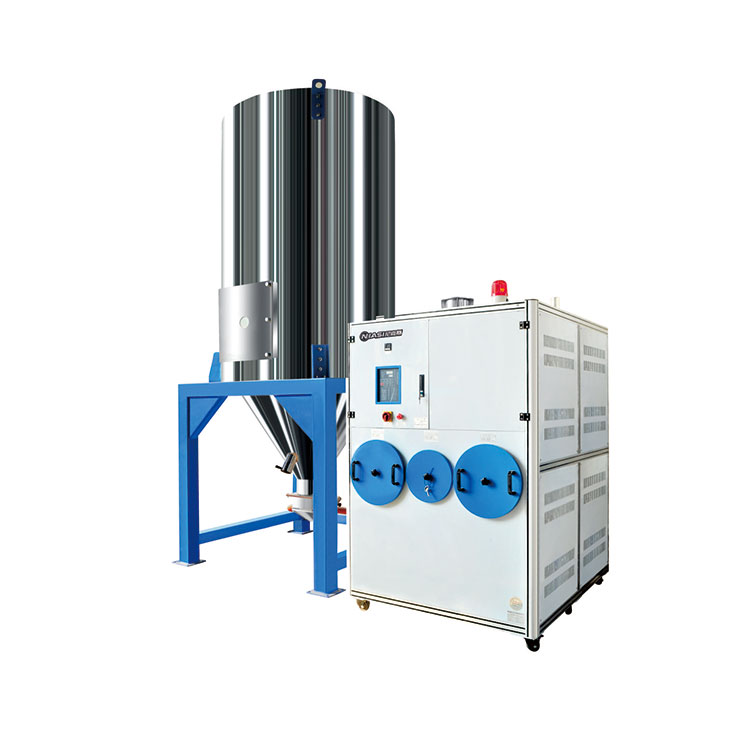
A dehumidifying dryer is a critical industrial solution designed to remove moisture from hygroscopic plastic materials before processing. Excess moisture in polymers can cause defects such as bubbles, silver streaks, reduced mechanical strength, and inconsistent product quality. This article explains how a dehumidifying dryer works, its core components, benefits, applications, selection considerations, and maintenance practices.
Article Outline
-
Introduction to Dehumidifying Dryers
-
Working Principle Explained
-
Main Components and Functions
-
Key Advantages in Industrial Applications
-
Common Use Cases Across Industries
-
How to Choose the Right Dehumidifying Dryer
-
Maintenance and Operational Best Practices
-
Why Manufacturers Like Niasi Matter
-
Frequently Asked Questions (FAQ)
Introduction
In modern plastic processing industries, moisture control is not optional—it is essential. Many plastic resins such as PET, PC, PA, and ABS absorb moisture from the air, which leads to defects during molding or extrusion. A dehumidifying dryer solves this issue by providing ultra-low dew point air to remove moisture effectively before the material enters production equipment.
Unlike traditional hot air dryers, a dehumidifying dryer uses a closed-loop system that ensures consistent drying performance even in humid environments. This makes it an indispensable machine in industries requiring precision, stability, and high-quality output.
Working Principle
A dehumidifying dryer operates on a closed-loop drying system that continuously removes moisture from the air before it contacts plastic materials. The system typically uses a desiccant wheel or molecular sieve to achieve extremely low dew points.
The working process can be broken down into four key stages:
-
Air Intake: Ambient air is drawn into the system.
-
Dehumidification: The air passes through a desiccant rotor that absorbs moisture.
-
Heating: Dry air is heated to the required drying temperature.
-
Drying Process: The hot, dry air is circulated through the hopper containing plastic pellets.
This closed-loop system ensures that air remains consistently dry, regardless of external humidity levels.
Core Components and Functions
Understanding the internal structure of a dehumidifying dryer helps in evaluating its performance and reliability.
|
Component
|
Function
|
|
Desiccant Rotor
|
Removes moisture from incoming air
|
|
Process Blower
|
Circulates dry air through the system
|
|
Heating System
|
Raises air temperature for efficient drying
|
|
Hopper
|
Stores and dries plastic materials
|
|
Control Panel
|
Monitors temperature, dew point, and operation settings
|
Each component plays a crucial role in ensuring that materials are dried uniformly and efficiently.
Key Benefits
A dehumidifying dryer provides several advantages over conventional drying systems:
-
Stable Dew Point Control: Ensures consistent moisture removal.
-
Improved Product Quality: Reduces defects such as bubbles and cracks.
-
Energy Efficiency: Optimized airflow reduces energy waste.
-
Wide Material Compatibility: Suitable for hygroscopic polymers.
-
Continuous Operation: Supports large-scale industrial production.
These benefits make it a core investment for manufacturers focused on precision and efficiency.
Applications
Dehumidifying dryers are widely used across industries where moisture-sensitive materials are processed.
-
Plastic injection molding
-
Extrusion processing
-
Automotive parts manufacturing
-
Medical device production
-
Packaging industry
-
3D printing material preparation
In each application, moisture control directly impacts structural integrity and surface quality.
How to Choose the Right Dehumidifying Dryer
Selecting the right system depends on production scale, material type, and environmental conditions. Below are key factors to consider:
-
Drying Capacity: Match machine capacity with production volume.
-
Dew Point Performance: Lower dew point ensures better drying quality.
-
Energy Consumption: Evaluate long-term operational efficiency.
-
Control System: Advanced PLC systems offer better automation.
-
Material Compatibility: Ensure suitability for specific polymers.
Choosing the correct configuration reduces downtime and improves production consistency.
Maintenance and Best Practices
Proper maintenance ensures long-term performance and reduces operational risks. Recommended practices include:
-
Regularly inspect desiccant rotor condition
-
Clean air filters to maintain airflow efficiency
-
Monitor dew point levels consistently
-
Check heating elements for stable operation
-
Schedule preventive maintenance every production cycle
A well-maintained dehumidifying dryer can significantly extend equipment lifespan and reduce production downtime.
Niasi Engineering Solutions
As a professional manufacturer in industrial drying technology, Niasi provides advanced dehumidifying dryer systems designed for modern production environments. Their equipment focuses on precision control, energy optimization, and durable construction to meet demanding industrial requirements.
Niasi systems are engineered to support stable dew point control, ensuring consistent drying performance even in high-humidity conditions. This makes them suitable for industries where material quality cannot be compromised.
For more technical details and product specifications, you can explore solutions from Niasi and understand how their systems integrate into production lines for improved efficiency and output stability.
Frequently Asked Questions (FAQ)
Q1: What is the main purpose of a dehumidifying dryer?
It removes moisture from hygroscopic plastic materials before processing to prevent defects and ensure product quality.
Q2: How is it different from a hot air dryer?
A dehumidifying dryer uses a closed-loop system with desiccant technology, while hot air dryers rely on ambient air heating, which is less effective in humid environments.
Q3: What materials require dehumidifying drying?
Materials such as PET, PC, PA, and ABS typically require dehumidified drying due to their moisture absorption characteristics.
Q4: How often should maintenance be performed?
Routine inspection should be done weekly, with full preventive maintenance scheduled based on production intensity.
Q5: Can it reduce production defects?
Yes, by eliminating moisture, it significantly reduces defects such as bubbles, surface streaks, and brittleness.
Conclusion
A dehumidifying dryer is an essential component in modern manufacturing environments where material quality and consistency are critical. By ensuring ultra-low moisture content in plastics, it enhances product durability, reduces waste, and improves production efficiency.
Manufacturers like Niasi continue to innovate in this field, providing advanced solutions tailored to industrial demands.
If you are looking to improve your production stability and material quality, now is the right time to upgrade your drying system. Contact us at Niasi today to explore advanced dehumidifying dryer solutions and optimize your manufacturing process.