

How Does a Die Cutting Machine Transform Your Manufacturing Efficiency?
2025-08-26
Die cutting machines have become indispensable tools in modern manufacturing, packaging, and printing industries. These versatile machines allow businesses to precisely cut materials into specific shapes and sizes with speed and accuracy. Whether you are producing intricate labels, cardboard boxes, leather goods, or textile patterns, understanding how a die cutting machine works and what makes it efficient can dramatically impact your production quality and cost-effectiveness.
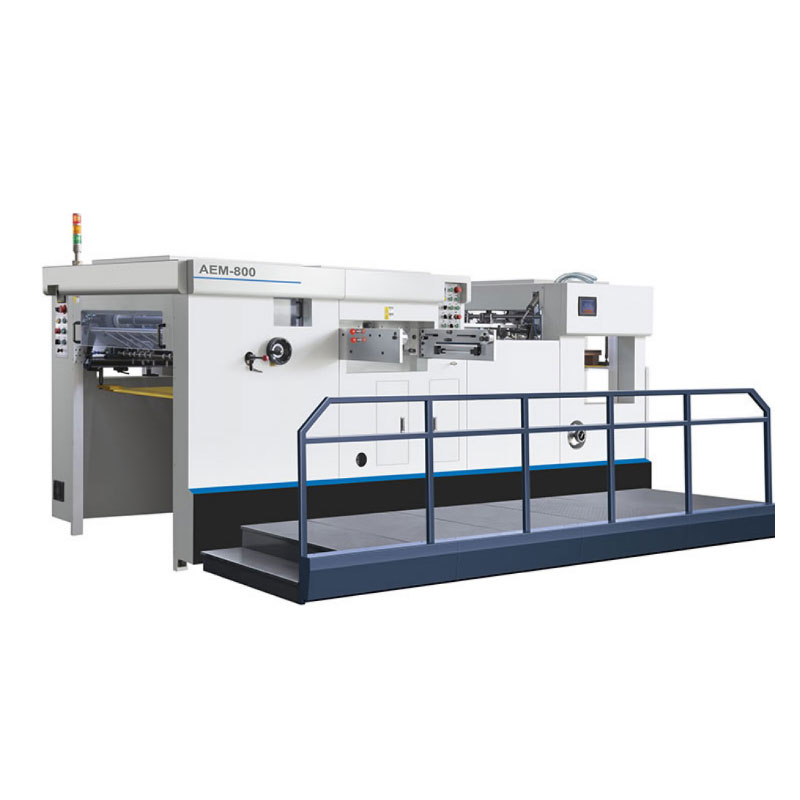
Understanding the Functionality of Die Cutting Machines
A die cutting machine is a mechanical device designed to cut materials into pre-defined shapes using a die. The die acts as a template, guiding the cutting process for consistent results. Unlike manual cutting, die cutting machines automate the process, ensuring uniformity across large-scale production runs.
Types of Die Cutting Machines
Die cutting machines are classified based on the method used to cut materials:
-
Flatbed Die Cutting Machines
These machines use a flat surface to hold the material while a die is pressed down to cut the shape. They are ideal for thick or rigid materials like cardboard, leather, or plastic sheets. Flatbed machines are known for precision and versatility. -
Rotary Die Cutting Machines
Rotary machines employ a cylindrical die that rotates as the material passes through. This design allows high-speed production and is commonly used in packaging and labeling industries. They are efficient for cutting flexible materials such as paper, film, or foil. -
Laser Die Cutting Machines
Laser cutting machines use a focused laser beam to cut materials with extreme accuracy. They excel in cutting intricate patterns, especially on textiles, thin plastics, and specialty papers. Laser cutting eliminates the need for physical dies and reduces material waste. -
Electronic/Servo Die Cutting Machines
These machines integrate digital controls for precise, programmable cutting. They are suitable for rapid prototyping, small-scale production, or projects requiring complex patterns without manual setup.
Key Applications of Die Cutting Machines
-
Packaging Industry: Cutting cardboard and corrugated sheets for boxes and cartons.
-
Printing Industry: Producing labels, stickers, and custom designs.
-
Textile Industry: Cutting fabrics into intricate patterns for garments and decorative products.
-
Leather and Synthetic Materials: Creating consistent shapes for bags, shoes, and accessories.
-
Industrial Components: Cutting gaskets, insulation materials, and foam pads.
Understanding the type and functionality of the machine ensures you select the right solution for your production needs, balancing speed, accuracy, and material compatibility.
Product Parameters and Technical Specifications
Selecting a die cutting machine requires attention to its technical specifications. Below is a detailed table summarizing the essential parameters for professional-grade die cutting machines:
| Parameter | Specification Range | Description |
|---|---|---|
| Cutting Method | Flatbed, Rotary, Laser, Servo | Determines the machine’s approach to shaping materials. |
| Maximum Sheet Size | 600mm x 800mm – 1600mm x 3200mm | Largest material size the machine can handle efficiently. |
| Cutting Thickness | 0.1mm – 30mm | Maximum thickness the machine can cut, depending on material density. |
| Cutting Speed | 20–200 sheets/min | Number of sheets processed per minute. |
| Die Type | Steel Rule, Rotary, Laser | Type of die required for the cutting process. |
| Material Compatibility | Paper, Cardboard, Leather, Plastic, Fabric | Range of materials suitable for cutting. |
| Accuracy/Tolerance | ±0.05mm – ±0.1mm | Precision of the cutting process, crucial for complex designs. |
| Automation Features | Servo motor control, programmable patterns, automatic feeding | Enhances productivity and reduces manual labor. |
| Power Supply | 220V – 380V, 3-phase | Electrical requirements depending on machine size and production scale. |
| Maintenance & Lifespan | 5–15 years | Expected operational lifespan with proper maintenance. |
These parameters are essential for manufacturers to consider. For instance, a high-speed rotary die cutting machine can significantly reduce production time for packaging operations, while a laser die cutting machine allows for complex designs without physical dies, minimizing material waste.
Optimizing Production with Die Cutting Machines
Efficient use of die cutting machines requires an understanding of operational best practices:
Material Preparation
Preparing materials before cutting is critical. Ensure sheets are flat, free of debris, and pre-aligned with the die. For soft materials like fabric or leather, pre-conditioning may be necessary to avoid distortion during cutting.
Die Maintenance
Dies are the heart of the cutting process. Regular inspection and maintenance prevent dull edges, ensuring consistent quality. Steel rule dies should be sharpened periodically, and rotary dies checked for alignment and wear.
Automation and Integration
Modern die cutting machines often integrate with other production line equipment. Automatic feeders, conveyors, and stackers reduce manual handling, improve throughput, and minimize human error.
Quality Control
Quality control checkpoints ensure cut pieces meet dimensional accuracy and aesthetic standards. Visual inspection, laser measurement, or digital imaging can detect deviations before the final assembly or packaging stage.
By optimizing machine setup, material handling, and workflow integration, businesses can maximize the return on investment for die cutting machines while reducing production waste and downtime.
Die Cutting Machine FAQs and Expert Guidance
Die Cutting Machine Common Questions
Q1: How do I choose the right die cutting machine for my business?
A1: Evaluate the materials you plan to cut, production volume, and required precision. Flatbed machines are ideal for thick or rigid materials, rotary machines excel at high-speed operations, and laser machines are best for intricate designs. Consider automation features if reducing labor and increasing throughput is a priority.
Q2: What maintenance practices extend the lifespan of a die cutting machine?
A2: Regularly clean the machine, lubricate moving parts, inspect dies for wear, and ensure correct alignment. Replace worn components promptly. For electronic or servo machines, update software and check electrical connections periodically. Preventive maintenance reduces downtime and ensures consistent cutting quality.
Choosing NEW STAR Die Cutting Machines
NEW STAR Die Cutting Machines are engineered to meet professional manufacturing standards, combining precision, durability, and advanced automation. With models suited for flatbed, rotary, and laser applications, NEW STAR ensures your production line operates efficiently with minimal waste. Each machine is designed with easy maintenance, high-speed operation, and programmable flexibility to adapt to diverse manufacturing requirements.
Whether you need to produce custom packaging, intricate labels, or industrial components, NEW STAR provides the reliability and technical support that businesses depend on. For inquiries, detailed specifications, or to request a personalized quote, contact us today to enhance your production capabilities with industry-leading die cutting solutions.