

How Does a Diesel Generator Perform During Extended Power Outages?
2026-10-28
A facility manager reviews the log from a 72 hour outage caused by a typhoon. The Diesel Generator started within 12 seconds and carried the critical load without interruption. The first eight hours were normal. After 24 hours, the cooling water temperature rose by 8 degrees Celsius, the exhaust showed a light gray haze, and the oil pressure dropped slightly. After 48 hours, the maintenance team added oil and cleaned the air filter. The generator completed the outage, but the incident raised a question: was the unit specified for this kind of duty? This guide explains how a diesel generator performs during extended outages and what determines whether it can sustain multi-day operation.
1. Why Does a Generator's Behavior Change After the First Few Hours of an Outage?
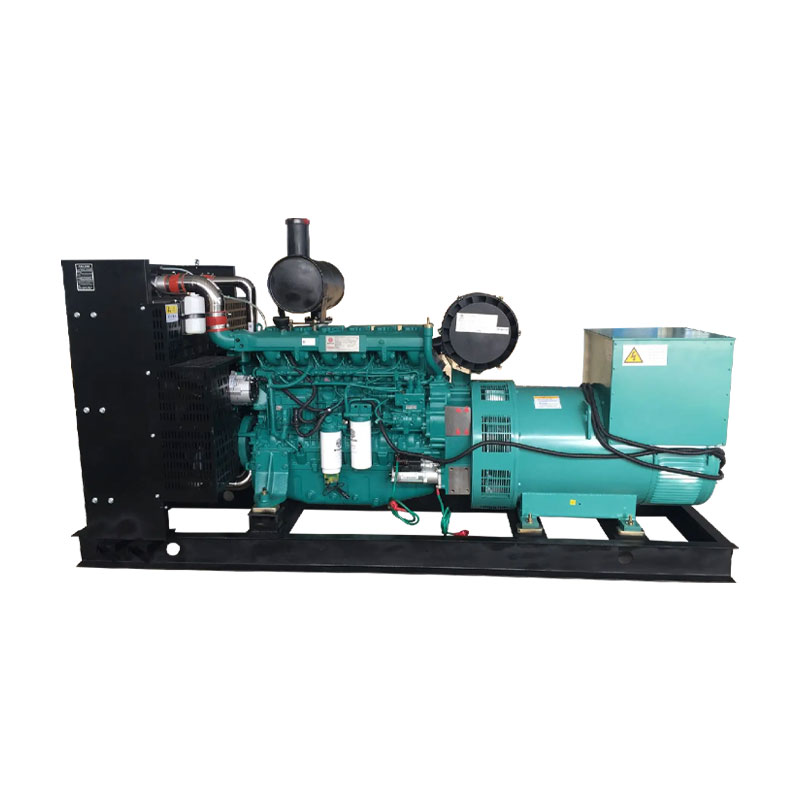
A standby generator is typically rated for short duration operation at a variable load. When the outage extends beyond a few hours, the generator transitions from standby duty to continuous duty. The difference is not just the duration. It is the accumulation of heat, the consumption of oil, the loading of the filters, and the steady depletion of the fuel supply. The engine and the alternator reach a thermal equilibrium that is different from the short term transient. The radiator must dissipate the heat continuously, and the room ventilation must remove the heat that the radiator rejects. In our factory, we manufacture Diesel Generator units for both standby and continuous duty. Shandong Kecheng Electric Power Equipment Co., Ltd. has been manufacturing diesel generators for over 15 years.
The transition from standby to continuous duty also changes the maintenance interval. The oil change interval, the filter replacement interval, and the coolant check interval are all based on running hours, and those hours accumulate quickly during an extended outage. A unit that is maintained on a 500 hour interval may need two oil changes during a single 72 hour event if the interval is reduced for continuous duty.
2. What Happens to Engine Temperature and Lubrication During Continuous Duty?
The engine temperature during continuous duty is determined by the heat generated by combustion and the heat rejected by the cooling system. The heat generated is proportional to the fuel burned, which is proportional to the load. The heat rejected is determined by the radiator size, the ambient temperature, and the airflow through the room. If the ambient temperature is high or the room ventilation is inadequate, the coolant temperature rises, and the engine derates. The oil temperature also rises, and the oil viscosity decreases. A lower viscosity reduces the oil film thickness and increases the wear on the bearings and the cylinder liners. The table below shows the relationship between continuous running hours, oil temperature, viscosity change, and the recommended oil change interval.
| Continuous running hours | Oil temperature | Viscosity change | Recommended oil change interval |
| 0 – 8 | Normal (85 – 95°C) | Baseline | Standard interval |
| 8 – 24 | Slightly elevated (95 – 105°C) | -5 to -10% | Standard interval |
| 24 – 48 | Elevated (105 – 115°C) | -10 to -20% | Reduce by 25% |
| 48 – 72 | High (115 – 125°C) | -20 to -30% | Reduce by 50% |
| > 72 | Very high (> 125°C) | > -30% | Change oil immediately |
In our factory, we test the thermal performance of every Diesel Generator model at the rated continuous load and at the maximum ambient temperature specified for the site. We provide the derating curve so that the facility manager can verify that the unit will carry the load at the site conditions. Shandong Kecheng Electric Power Equipment Co., Ltd. also recommends that the room ventilation be sized for the radiator heat rejection plus the engine radiation heat.
3. How Does Load Factor Affect Fuel Consumption and Component Wear Over Multi-Day Operation?
The load factor is the ratio of the average load to the rated load. A generator that runs at a low load factor consumes more fuel per kilowatt hour and is more prone to carbon buildup and wet stacking. A generator that runs at a high load factor consumes less fuel per kilowatt hour but wears faster. The optimal load factor for continuous duty is between 60 and 80 percent of the rated continuous power. The table below shows the fuel consumption, the exhaust temperature, and the relative wear rate at different load factors.
| Load factor | Fuel consumption (L/kWh) | Exhaust temperature | Relative wear rate |
| 30% | 0.38 – 0.42 | Low (250 – 300°C) | High (carbon buildup, wet stacking) |
| 50% | 0.30 – 0.34 | Moderate (300 – 350°C) | Moderate |
| 60 – 80% | 0.26 – 0.29 | Optimal (350 – 420°C) | Low |
| 90% | 0.27 – 0.30 | High (420 – 480°C) | Moderate to high |
| 100% | 0.30 – 0.33 | Very high (> 480°C) | High |
Facility engineer's note: During an extended outage, the load often drops below the design value because some equipment is switched off to conserve fuel. A generator that is oversized for the critical load may run at 30 percent load for days, which causes wet stacking and carbon accumulation. In our factory, we recommend that the generator be sized close to the actual critical load, not to the total building load. Shandong Kecheng Electric Power Equipment Co., Ltd. provides a load analysis service to help the facility manager determine the critical load and the appropriate generator size.
4. Why Do Fuel Quality and Filtration Determine Whether the Generator Survives an Extended Outage?
During an extended outage, the fuel in the tank is consumed slowly, and the tank may be nearly empty before it is refilled. The fuel at the bottom of the tank contains sediment, water, and microbial growth. If this fuel is drawn into the engine, it can clog the filters, damage the high pressure fuel pump, and cause the injectors to seize. The fuel filters and the water separator must be sized for the continuous flow and must be replaced at the recommended interval. In our factory, we configure the Diesel Generator with a primary water separator, a secondary fuel filter, and a fuel polishing option for long duration operation. Shandong Kecheng Electric Power Equipment Co., Ltd. recommends that the fuel tank be fitted with a sloping bottom and a drain valve so that water and sediment can be removed before the outage.
We also recommend that the fuel be tested for microbial contamination before the outage season. A fuel polishing system can remove water and particulate matter and can circulate the fuel to prevent stagnation. The fuel filter should be inspected every 8 to 12 hours during continuous operation and replaced if the differential pressure exceeds the limit.
5. How Should Facility Managers Specify and Verify a Generator for Multi-Day Outage Duty?
The specification should include the continuous power rating, the standby power rating, the ambient temperature derating, the fuel tank capacity, the fuel consumption at the expected load, the maintenance access, and the spare parts kit. The verification should include three tests. The first is a continuous load test at the site ambient temperature for at least 8 hours. The second is a fuel consumption measurement at the expected load. The third is a thermal imaging scan of the connections and the exhaust system. In our factory, we perform these tests on every continuous duty unit and provide the test report with the shipment. Shandong Kecheng Electric Power Equipment Co., Ltd. also offers a site acceptance test with the customer's load bank.
We recommend that the facility manager calculate the fuel storage requirement for the expected outage duration plus 25 percent reserve. For a 72 hour outage at 70 percent load, a 200 kW generator consumes approximately 3,500 liters of fuel. The tank should hold at least 4,400 liters to provide the reserve.
Frequently Asked Questions About Diesel Generator Performance During Extended Outages
Summary for Facility Managers and Maintenance Teams
A Diesel Generator that performs well during a short outage may not perform well during an extended outage. The transition from standby duty to continuous duty changes the thermal balance, the oil condition, the fuel consumption, and the filter loading. The key factors are the continuous power rating, the ambient temperature derating, the load factor, and the fuel quality. The specification should include the continuous rating, the fuel tank capacity, and the maintenance access. The verification should include a continuous load test at the site ambient temperature and a fuel consumption measurement. Shandong Kecheng Electric Power Equipment Co., Ltd. has been manufacturing Diesel Generator units for over 15 years and provides full continuous duty selection and verification support for facility managers.