

How Does a Handheld Laser Cleaning Machine Work?
2026-01-22
Article Summary
A handheld laser cleaning machine is an advanced surface treatment solution designed to remove rust, paint, oil, coatings, and contaminants without damaging the base material. This article explains how handheld laser cleaning machines work, what problems they solve, and how they compare to traditional cleaning methods. It also explores key technical parameters, real-world applications, safety considerations, and selection guidelines, helping decision-makers clearly understand whether this technology is suitable for their operational needs.
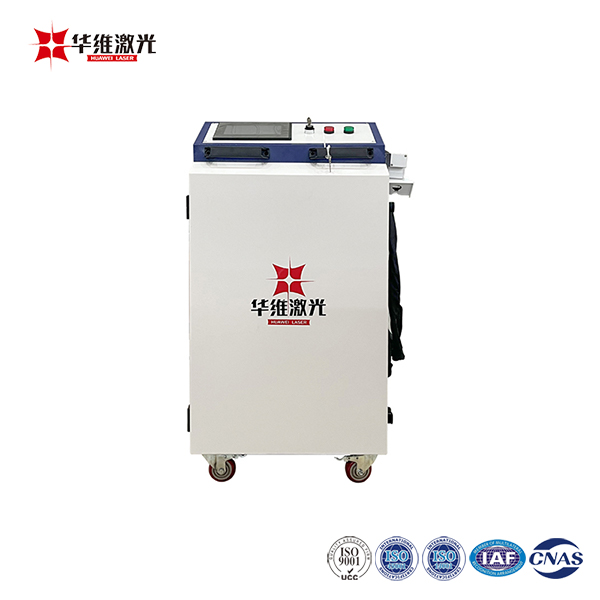
Table of Contents
- Introduction to Handheld Laser Cleaning Technology
- How a Handheld Laser Cleaning Machine Works
- Common Problems with Traditional Cleaning Methods
- Key Advantages of Handheld Laser Cleaning Machines
- Technical Parameters and Configuration Overview
- Main Industrial Applications
- Operational Safety and Maintenance Considerations
- How to Choose the Right Handheld Laser Cleaning Machine
- Frequently Asked Questions
- Conclusion and Contact Information
Introduction to Handheld Laser Cleaning Technology
Industrial surface cleaning has long relied on abrasive blasting, chemical solvents, and mechanical grinding. While effective, these methods often introduce secondary pollution, substrate damage, high labor costs, and complex waste disposal requirements. A handheld laser cleaning machine offers a modern alternative by using precisely controlled laser energy to remove unwanted surface layers without physical contact.
Manufacturers such as Shenyang Huawei have developed handheld laser cleaning machines that prioritize mobility, operational efficiency, and stable performance. These systems are increasingly adopted across manufacturing, automotive, aerospace, shipbuilding, and maintenance sectors due to their precision and environmental compatibility.
How a Handheld Laser Cleaning Machine Works
A handheld laser cleaning machine operates on the principle of laser-material interaction. High-energy laser pulses are directed at the surface contamination layer. Because contaminants and base materials absorb laser energy differently, the unwanted layer rapidly heats, expands, and vaporizes or detaches, while the underlying substrate remains intact.
The handheld cleaning head allows operators to guide the laser beam across complex geometries, edges, and localized areas. Adjustable parameters such as pulse frequency, power output, and scanning width ensure controlled cleaning tailored to different materials and contamination levels.
Common Problems with Traditional Cleaning Methods
Before adopting laser cleaning technology, many industries face persistent challenges with conventional cleaning solutions:
- Surface damage caused by abrasive media or grinding tools
- Chemical residue and hazardous waste disposal issues
- High consumable costs and frequent material replenishment
- Inconsistent cleaning quality across operators
- Extended downtime for equipment maintenance
A handheld laser cleaning machine directly addresses these issues by offering a dry, non-contact, and highly controllable process.
Key Advantages of Handheld Laser Cleaning Machines
Handheld laser cleaning machines are designed to improve efficiency while reducing operational risks. Their primary advantages include:
- Non-abrasive cleaning that preserves base material integrity
- No chemical solvents or secondary pollution
- Minimal consumables and low long-term operating costs
- High precision for selective or localized cleaning
- Portable design suitable for on-site and maintenance work
These advantages make handheld laser systems particularly valuable in industries with strict quality and environmental requirements.
Technical Parameters and Configuration Overview
Understanding technical specifications is essential when evaluating a handheld laser cleaning machine. Below is a general overview of commonly referenced parameters:
| Parameter | Typical Range |
|---|---|
| Laser Power | 100W – 3000W |
| Laser Type | Pulsed Fiber Laser |
| Cleaning Width | 10 mm – 300 mm (adjustable) |
| Cooling System | Air Cooling or Water Cooling |
| Operating Mode | Handheld Manual Operation |
Shenyang Huawei designs its handheld laser cleaning machines with stable laser sources, ergonomic handheld heads, and intelligent control systems to ensure consistent output and user-friendly operation.
Main Industrial Applications
Handheld laser cleaning machines are widely used across multiple sectors due to their flexibility and precision:
- Rust removal from metal components and structures
- Paint and coating stripping before reprocessing
- Pre-welding surface preparation
- Mold cleaning without disassembly
- Oil and grease removal in maintenance operations
These applications benefit from the machine’s ability to clean selectively without affecting surrounding areas or altering dimensional tolerances.
Operational Safety and Maintenance Considerations
While handheld laser cleaning machines are designed with safety in mind, proper operational practices are essential. Operators should use appropriate protective eyewear, follow recommended parameter settings, and ensure controlled access to the working area.
Maintenance requirements are relatively low compared to traditional equipment. Regular inspection of optical components, cooling systems, and electrical connections helps maintain long-term performance and reliability.
How to Choose the Right Handheld Laser Cleaning Machine
Selecting the right handheld laser cleaning machine depends on several factors:
- Type and thickness of contaminants
- Base material sensitivity
- Required cleaning speed and area coverage
- On-site mobility and power availability
- After-sales technical support and training
Working with an experienced manufacturer such as Shenyang Huawei ensures access to customized configurations and professional technical guidance tailored to specific industrial needs.
Frequently Asked Questions
Q: Can a handheld laser cleaning machine damage the base material?
A: When properly configured, the laser energy targets only the contamination layer. The base material remains unaffected due to controlled absorption characteristics.
Q: Is laser cleaning suitable for delicate or complex surfaces?
A: Yes. The handheld design and adjustable parameters allow precise cleaning of intricate geometries and sensitive components.
Q: Does laser cleaning require consumables?
A: No abrasives or chemicals are required, which significantly reduces ongoing operational costs.
Conclusion and Contact Information
A handheld laser cleaning machine represents a significant advancement in surface treatment technology, offering precision, efficiency, and environmental compatibility. As industries seek cleaner and more controllable solutions, handheld laser systems continue to gain recognition as a reliable alternative to traditional methods.
Shenyang Huawei provides professionally engineered handheld laser cleaning machines designed to meet diverse industrial requirements. For more detailed specifications, application guidance, or customized solutions, contact us today to discuss how laser cleaning technology can support your operational goals.