

How Does a Medical Grade UPS Ensure Reliable Power in Healthcare?
2025-12-22
Abstract: Ensuring uninterrupted power in medical facilities is critical for patient safety and operational continuity. This article explores the capabilities of Medical Grade UPS systems, their technical specifications, and addresses common operational concerns. The guide also covers expert insights into installation, maintenance, and real-world applications.
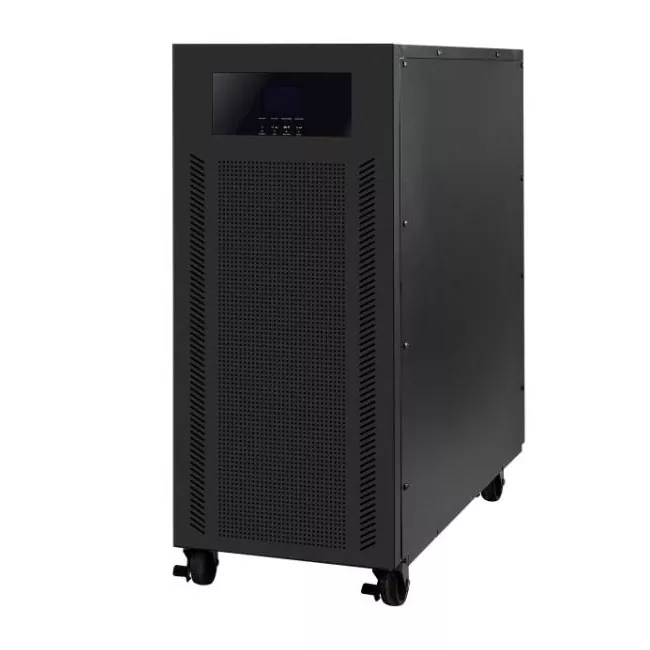
Table of Contents
1. Overview of Medical Grade UPS
Medical Grade UPS systems are specialized uninterruptible power supplies designed specifically for healthcare environments. Unlike standard UPS devices, they meet stringent safety standards such as IEC 60601-1 and provide isolated power to sensitive medical equipment, ensuring continuous operation even during power failures or voltage fluctuations.
These systems are widely used in:
- Hospitals and clinics
- Diagnostic imaging devices (MRI, CT scanners)
- Life-support systems
- Laboratory equipment
The main focus of a Medical Grade UPS is to maintain power integrity, reduce electrical noise, and provide surge protection to critical medical devices. It plays a pivotal role in preventing data loss in electronic health systems and avoiding operational downtime during emergencies.
2. Key Technical Specifications
The following table summarizes the primary parameters of a typical Medical Grade UPS, highlighting professional-grade reliability and performance:
| Parameter | Description |
|---|---|
| Capacity | 5 kVA – 20 kVA |
| Input Voltage | 208V / 220V / 230V AC |
| Output Voltage | 208V / 220V / 230V AC ±1% |
| Battery Type | Sealed Lead-Acid (VRLA) or Lithium-Ion |
| Backup Time | 15 – 60 minutes depending on load |
| Frequency | 50 / 60 Hz |
| Safety Compliance | IEC 60601-1, UL 62040-1, EN 62040-1 |
| Isolation Transformer | Built-in for medical equipment safety |
| MTBF | >100,000 hours |
| Display | LCD / LED with load, battery, and alarm status |
3. Common Questions About Medical Grade UPS
Q1: How does a Medical Grade UPS differ from a standard UPS?
A Medical Grade UPS provides isolated power to sensitive medical equipment, complies with IEC 60601-1 safety standards, and ensures low electrical noise. Standard UPS units typically do not provide isolation or meet medical compliance requirements, making them unsuitable for life-supporting or diagnostic devices.
Q2: What is the typical battery backup duration for a Medical Grade UPS?
The backup time varies depending on load and battery type. Most systems provide 15 to 60 minutes of uninterrupted power. High-capacity models with extended battery packs can support several hours of operation, allowing for safe equipment shutdown or generator activation.
Q3: How can healthcare facilities maintain Medical Grade UPS systems?
Regular maintenance includes checking battery health, inspecting connections, testing load transfer functionality, and verifying compliance indicators. Preventive maintenance schedules are essential to ensure reliability and avoid unexpected downtime.
Q4: What types of medical equipment are typically connected to these UPS systems?
Critical life-support devices, imaging equipment (MRI, CT, X-ray), surgical instruments, and electronic patient records systems are commonly supported by Medical Grade UPS. Selecting the right capacity ensures uninterrupted operation during electrical disturbances.
Q5: Are there specific installation requirements for Medical Grade UPS?
Yes. Installation must follow manufacturer guidelines, maintain proper ventilation, ensure isolation from non-medical circuits, and comply with local electrical codes. Correct placement and grounding are crucial for operational safety.
4. Choosing a Medical Grade UPS and Contact
When selecting a Medical Grade UPS, healthcare facilities must consider factors such as power capacity, battery technology, compliance standards, and ease of maintenance. Partnering with a reputable provider ensures access to reliable equipment, professional installation support, and ongoing service.
Wenma offers a range of Medical Grade UPS solutions tailored to hospital and clinic needs. Each system meets international compliance standards and ensures uninterrupted power for critical operations. For more information, specifications, or personalized support, contact us today and secure reliable power for your medical facility.