

How Does a Metal Crusher Improve Recycling Efficiency and Shape the Future of Scrap Processing?
2025-12-08
A metal crusher—also known as a scrap metal crushing machine—is an industrial system designed to reduce the size, volume, and complexity of mixed metal waste, enabling easier sorting, higher-value recycling, and more efficient downstream processing. It crushes, shears, tears, and compresses ferrous and non-ferrous metals, transforming bulky materials into uniformly processed metal fragments.
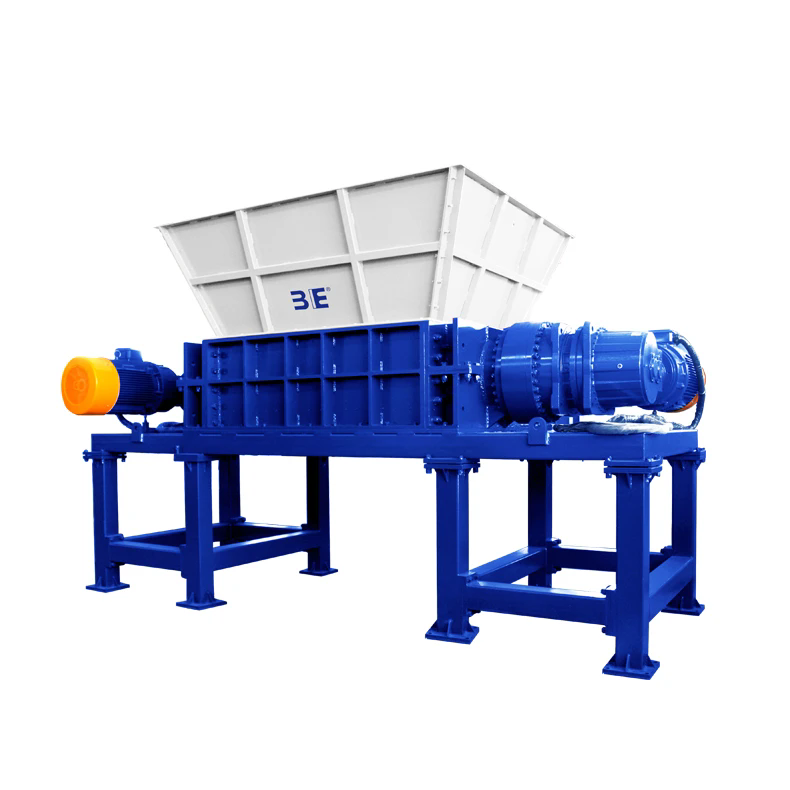
Below is a sample specification table representing a high-performance industrial metal crusher:
| Parameter | Specification |
|---|---|
| Chamber Size | 800mm–2000mm feed opening |
| Capacity | 1–30 tons per hour depending on model |
| Motor Power | 30–200 kW heavy-duty motor |
| Rotor Speed | 600–1200 rpm adjustable |
| Blades/Beaters | Alloy-steel, high-impact resistant |
| Output Size | 20–80 mm customizable |
| Applicable Materials | Steel plate, aluminum, copper, light scrap, steel shavings, profiles, car shells (processed), electronic scrap |
| Control System | PLC automated control with overload protection |
| Noise Level | <85 dB industrial standard |
| Machine Weight | 3–18 tons varying by model |
| Safety Features | Emergency stop, hydraulic opening/maintenance, safety interlocks |
How Does a Metal Crusher Function as a High-Efficiency Scrap Reduction System?
A metal crusher reduces waste volume, increases scrap purity, and streamlines recycling steps by combining mechanical crushing and automated classification. Its operation typically involves four core processes:
A. Feeding and Pre-Compression
Materials such as steel sheets, profiles, chips, or lightweight scrap are fed into the crushing chamber through conveyors or loaders. Pre-compression plates or hydraulic pushing arms ensure stable feeding, prevent clogging, and improve crushing consistency.
B. High-Speed Rotor Impact Crushing
The heart of a metal crusher is its rotor equipped with hardened alloy beaters. When the rotor spins at high speed, it delivers powerful impact force, hammering the metal into smaller pieces. Impact technology ensures:
-
Reduced metal thickness
-
Breakage at natural stress points
-
High productivity with minimal manual intervention
-
Consistent output size
C. Screening and Size Separation
A built-in screen or grid enables only crushed materials of target size to exit the chamber. Oversized scraps remain inside for secondary crushing. This ensures:
-
Uniform output
-
Higher resale value
-
Faster smelting time during downstream use
D. Magnetic and Non-Magnetic Sorting
After crushing, ferrous metals are separated with magnetic drums, while non-ferrous materials such as aluminum and copper are directed for separate collection. This is critical for:
-
Maximizing recycling value
-
Achieving higher purity grades
-
Simplifying subsequent processing
E. Advantages for Industrial Plants
A metal crusher supports various industries including recycling centers, smelting operations, demolition contractors, automotive recyclers, and manufacturing plants. Key benefits:
-
Significant volume reduction (up to 80%)
-
Lower transportation and handling cost
-
Higher scrap selling price
-
Cleaner, more uniform recycled metals
-
Reduced environmental footprint
How Do the Advantages of a Metal Crusher Enhance Productivity and Lower Operating Costs?
A well-designed metal crusher delivers both technical and economic advantages. Below are the key strengths that influence its industry popularity and search demand.
A. Strengthened Durability for Long-Term Operation
Modern metal crushers use wear-resistant alloy steels for the rotor, hammers, and chamber walls. This ensures:
-
Longer service life
-
Stability under continuous operation
-
Reduced maintenance frequency
Many models incorporate replaceable liners to further lower wear costs.
B. High Throughput with Stable Output
The combination of high-speed rotors and balanced chamber geometry ensures:
-
Fast crushing performance
-
Optimized output size
-
Consistent density of recycled metal
This gives recycling facilities predictable volume and better workflow planning.
C. Energy Efficiency and Reduced Labor Needs
With PLC automation, hydraulic assistance, and optimized feed design, a metal crusher reduces labor dependence by:
-
Minimizing manual sorting
-
Maintaining constant material flow
-
Automatically correcting overload or blockage
Industrial users benefit from significantly lower operational expenditure.
D. Multi-Material Compatibility
Metal crushers can handle a wide range of scrap, including:
-
Steel and iron
-
Aluminum cans and profiles
-
Copper tubes and wires
-
Light-weight scrap metals
-
Car body shell fragments
-
Electronic waste metal components
This broad compatibility makes the machine ideal for large recycling companies and diversified metal processing facilities.
E. Lower Logistics and Storage Costs
Once bulky waste is crushed and densified:
-
Storage volume drastically decreases
-
Transportation frequency drops
-
Scrap trading becomes more efficient
This directly increases profit margins for recycling businesses.
How Will Metal Crushers Evolve with Future Technology and Eco-Industry Trends?
The recycling industry is experiencing rapid technological advancements driven by environmental regulations, global metal demand, and the shift toward sustainable manufacturing. Metal crushers are central to this transformation. Below are key future trends shaping their evolution.
A. Intelligent Monitoring and Predictive Maintenance
Smart sensors will become standard, enabling:
-
Real-time motor health tracking
-
Vibration analysis for early fault detection
-
Automated lubrication control
-
Remote cloud management
Such systems lower downtime and reduce repair costs.
B. Greater Automation and Robotics Integration
Future scrap plants will integrate:
-
Robotic feeding systems
-
AI-based metal recognition
-
Automated sorting lines
Metal crushers will function as central hubs in fully-automated recycling ecosystems.
C. Higher Energy Efficiency and Eco-Operation
Environmental goals require equipment that minimizes:
-
Energy consumption
-
Noise emission
-
Carbon footprint
Advanced rotor engineering, better motor systems, and improved chamber aerodynamics will reduce energy waste.
D. Modular and Scalable Designs
To support varying industry sizes, future metal crushers will adopt:
-
Compact models for small workshops
-
Large-scale plants with multiple synchronized crushers
-
Modular upgrades for capacity expansion
This flexibility is vital in competitive global markets.
E. Enhanced Material Recovery for Circular Economy
Upcoming machines will deliver:
-
Cleaner ferrous output
-
Higher-purity aluminum and copper fragments
-
Reduced contamination from mixed scrap
This supports industries transitioning to fully recycled raw materials.
How to Choose the Right Metal Crusher for Your Recycling Needs?
Selecting the right machine depends on output demands, scrap type, plant layout, and long-term business goals. Below are the key selection criteria.
A. Define the Type of Material Being Processed
Questions to consider:
-
Is the scrap light or heavy?
-
Does it include aluminum, steel, copper, or mixed materials?
-
Is it bulky or compressed?
Different rotor types and chamber sizes are optimized for different scrap categories.
B. Determine Desired Output Size and Capacity
Output specifications affect downstream resale value and smelting efficiency. Buyers should evaluate:
-
Hourly throughput targets
-
Required fragmentation ratio
-
Production cycle arrangements
C. Evaluate Energy Consumption and Motor Power
Balancing energy efficiency with crushing strength is crucial for cost control. Look for machines with:
-
Efficient motors
-
Intelligent overload protection
-
Energy-saving hydraulics
D. Assess Maintenance Structure
The best metal crushers feature:
-
Hydraulic opening for easier service
-
Replaceable chamber liners
-
Durable alloy wear parts
Serviceability directly impacts long-term cost.
E. Ensure Operator Safety Standards
Features to prioritize:
-
Emergency stop systems
-
Anti-jam hydraulic mechanisms
-
Safety interlocks
-
Stable structural design
Safety compliance protects workers and avoids costly downtime.
Common Questions About Metal Crushers
Q1: What materials can a metal crusher handle?
A metal crusher can process ferrous metal, non-ferrous metal, aluminum profiles, copper tubes, steel shavings, iron sheets, engine housing fragments, household metal waste, and certain forms of electronic scrap. For oversized objects, pre-processing such as cutting or flattening may be required. The machine’s rotor strength and chamber design determine the range of materials it can safely crush.
Q2: How does a metal crusher improve recycling profitability?
A metal crusher increases profitability by reducing scrap volume up to 80%, lowering transportation cost, improving separation purity, and generating uniformly sized fragments that sell at higher market value. It also reduces labor through automation, improves plant efficiency, and allows recyclers to handle larger scrap volumes within the same operational footprint.
How Will a High-Quality Metal Crusher Strengthen Future Recycling Operations?
A metal crusher serves as a critical component in modern recycling infrastructure by enabling efficient volume reduction, material purification, and high-value recovery of metal waste. Its robust construction, advanced impact-crushing technology, and automated processing capabilities enhance productivity across industries such as manufacturing, demolition, and metal-recycling facilities. With future trends moving toward intelligent monitoring, energy-saving engineering, and advanced separation systems, metal crushers will continue to play an essential role in building a sustainable circular economy. For businesses seeking a reliable, durable, and highly productive solution, the technology and expertise offered by 3E Machinery provide a dependable path toward improved operational efficiency and long-term value.
For model selection, technical consultation, or project planning guidance, contact us to discuss customized solutions tailored to your recycling requirements.