

How Does a Quick Mold Change System Transform Production Efficiency?
2026-01-23
A Quick Mold Change System represents a strategic upgrade to traditional mold change processes in manufacturing, reducing machine downtime, lowering labor requirements, and improving operational safety and responsiveness. This article dissects the mechanics of quick mold change systems, common implementation challenges, practical considerations for diverse production environments, and answers frequently asked questions with professional clarity. Readers will gain actionable insight into how a well-designed system can optimize mold change workflows and support flexible production strategies.
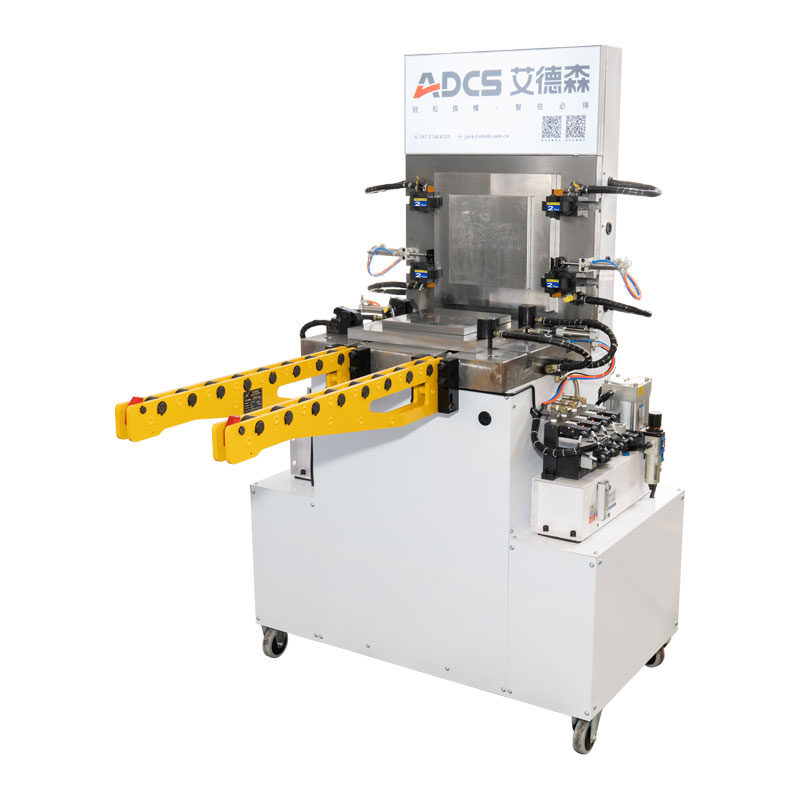
Table of Contents
- Overview of Quick Mold Change Systems
- Core Components and Operational Logic
- Challenges and Practical Considerations
- Industry Applications and Performance Expectations
- FAQ: Common Questions Answered
- Conclusion and Contact Information
Overview of Quick Mold Change Systems
A Quick Mold Change System is engineered to replace conventional manual mold change methods with faster, safer, and more consistent mechanisms. By integrating hydraulic, pneumatic, magnetic, or modular clamps, these systems enable rapid installation and removal of molds on injection molding, die casting, and stamping equipment, substantially reducing downtime between production runs. Industries requiring frequent mold changes and small batch flexibility benefit significantly from decreased cycle interruptions and standardized mold handling procedures.:contentReference[oaicite:0]{index=0}
Core Components and Operational Logic
At the heart of a Quick Mold Change System are several key modules designed for repeatable, secure fastening and streamlined changeovers. These include mold clamps, pump units, control panels, and optional mold handling carts.:contentReference[oaicite:1]{index=1}
- Mold Clamps: Hydraulic, pneumatic, or magnetic clamps that secure molds without the need for traditional screw tightening.
- Pump Unit: Provides the necessary power for hydraulic or pneumatic actuation of clamping mechanisms.
- Control Panel: Centralized interface for activating mold change procedures and monitoring system status.
- Mold Handling Carts: Optional carts that transport molds safely and efficiently to and from machines.
Systems may be customized for vertical or horizontal mold exchange workflows, with automation options that minimize manual intervention and enhance overall shop floor safety standards.:contentReference[oaicite:2]{index=2}
Challenges and Practical Considerations
While Quick Mold Change Systems offer clear efficiency advantages, several common implementation considerations should be addressed before adoption:
- Compatibility with Existing Equipment: Ensuring clamp types, cart dimensions, and fixture interfaces align with existing machines and toolsets.
- Training and Workforce Adjustment: Operators should be trained on new workflows to fully leverage time savings and safety features without disrupting production quality.
- Maintenance Requirements: Routine maintenance of hydraulic and pneumatic components is essential to avoid performance degradation.
- Initial Investment: Upfront costs must be balanced against long-term productivity gains and reduced labor costs.
Careful planning and consultation with system integrators help manufacturers avoid common pitfalls and maximize performance returns.:contentReference[oaicite:3]{index=3}
Industry Applications and Performance Expectations
Quick Mold Change Systems are widely used across industries where mold change frequency and responsiveness are critical, including injection molding, die casting, metal stamping, and blow molding applications. Typical performance outcomes observed in industrial settings include:
| Performance Metric | Expected Improvement |
|---|---|
| Mold Change Time | Reduction from hours to minutes |
| Labor Requirements | Reduced through automation and consistent clamping |
| Machine Downtime | Minimized with fast clamp cycles |
| Safety Incidents | Lower risk due to reduced manual handling |
These improvements support lean production objectives and offer manufacturers greater agility in responding to fluctuating market demands and short production runs.:contentReference[oaicite:4]{index=4}
FAQ: Common Questions Answered
What is a Quick Mold Change System?
A Quick Mold Change System is a set of mechanical and control components that enable faster, safer, and more consistent mold swaps on manufacturing machines by replacing traditional screw-based methods with advanced clamp technology.:contentReference[oaicite:5]{index=5}
How does the system improve safety?
By reducing manual intervention and using controlled clamping mechanisms, these systems limit the risk of operator injuries associated with heavy lifting, unscrewing, and misaligned mold repositioning. Safety interlocks and automated controls further protect workers during changeovers.:contentReference[oaicite:6]{index=6}
Can Quick Mold Change Systems be retrofitted?
Yes, many solutions are designed to retrofit existing equipment with modular clamps, pumps, and control units to optimize mold change workflows without replacing the entire machine. Compatibility checks and proper customization ensure functional integration.:contentReference[oaicite:7]{index=7}
Are there industry limitations?
Systems must be selected and configured based on machine tonnage, mold dimensions, and production patterns. High-precision applications require accurate positioning and secure clamping mechanisms aligned with operational standards.:contentReference[oaicite:8]{index=8}
What return on investment can be expected?
Although initial investment varies with system complexity, many manufacturers experience rapid payback through reduced changeover time, lower labor costs, and improved equipment utilization. Savings accumulate as changeover frequency increases.:contentReference[oaicite:9]{index=9}
Conclusion and Contact Information
Quick Mold Change Systems represent a transformative approach to managing mold change operations in modern manufacturing. By leveraging advanced clamping technologies, automated control, and thoughtful integration, companies can significantly reduce changeover times, improve operator safety, and support flexible production demands.
ADCS offers tailored Quick Mold Change System solutions designed to align with diverse industrial requirements, from injection molding to stamping applications. To explore customized configurations, system integration strategies, or practical implementation planning, please contact us for professional support and project consultation.