

How Does a Tape Feeder Improve Precision and Efficiency in Modern Production Lines?
2026-04-16
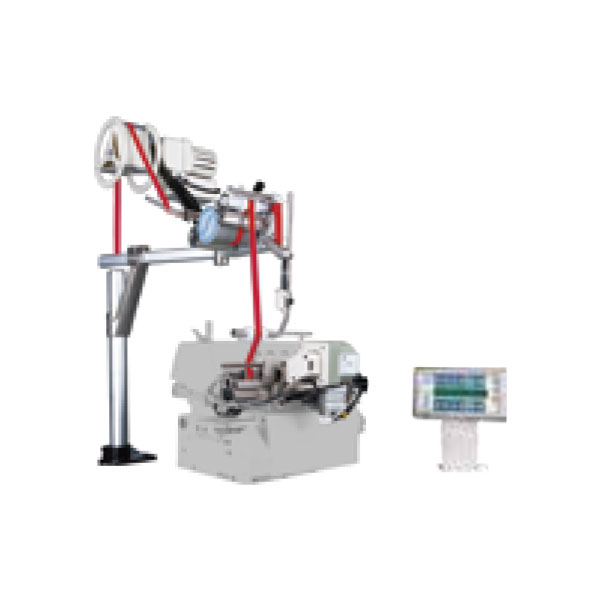
In high-speed automated manufacturing, even a minor feeding error can lead to costly downtime, wasted materials, and inconsistent product quality. A tape feeder is one of the most critical components in precision assembly systems, ensuring that parts are delivered accurately, consistently, and at the right speed. For manufacturers dealing with electronic components, packaging parts, or automated assembly materials, understanding how a tape feeder works can significantly improve productivity and reduce operational risks.
Abstract
This article explains how tape feeders function, why they are essential in automated production, and how choosing the right tape feeder can solve common manufacturing pain points such as misalignment, downtime, and inefficient feeding. It also explores major selection criteria, maintenance practices, and the advantages of working with reliable suppliers like HD.
Table of Contents
- 1. What Is a Tape Feeder?
- 2. How Does a Tape Feeder Work?
- 3. Why Is Tape Feeding Accuracy So Important?
- 4. Common Customer Pain Points Solved by Tape Feeders
- 5. Types of Tape Feeders
- 6. How to Choose the Right Tape Feeder
- 7. Maintenance Tips for Long-Term Performance
- 8. Why Choose HD Tape Feeders
- 9. FAQ
1. What Is a Tape Feeder?
A tape feeder is an automated mechanical device designed to feed taped components into production machinery in a controlled and sequential manner. It is commonly used in SMT assembly lines, packaging automation systems, and precision manufacturing environments where repeated accuracy is essential.
These systems are engineered to transport parts smoothly without damaging delicate materials, making them indispensable in industries where precision placement matters.
2. How Does a Tape Feeder Work?
Tape feeders operate by indexing carrier tape forward at fixed intervals. Each movement positions the next component precisely for pickup or placement by automated equipment.
- Carrier tape holds components in sealed pockets
- Drive mechanism advances tape incrementally
- Sensors detect feed position
- Pickup head retrieves component at exact point
- Waste cover tape is peeled away automatically
| Component | Function |
|---|---|
| Carrier Tape | Stores and transports components safely |
| Drive Sprocket | Moves tape forward precisely |
| Sensor System | Detects indexing accuracy |
| Peel Mechanism | Removes protective cover film |
3. Why Is Tape Feeding Accuracy So Important?
In automated production, feeding precision directly affects machine uptime and product consistency. Even slight deviations may cause:
- Component misplacement
- Machine stoppages
- Increased reject rates
- Higher labor intervention costs
A high-quality tape feeder minimizes these risks by maintaining stable indexing under continuous operation.
4. Common Customer Pain Points Solved by Tape Feeders
Many manufacturers struggle with recurring production bottlenecks caused by outdated or poorly designed feeders.
| Problem | Tape Feeder Solution |
|---|---|
| Frequent jams | Smooth indexing mechanisms reduce blockage |
| Inconsistent feed speed | Precision motor control stabilizes movement |
| High downtime | Reliable continuous feeding improves uptime |
| Component damage | Gentle transport protects fragile parts |
5. Types of Tape Feeders
- Pneumatic Tape Feeders
- Electric Tape Feeders
- Mechanical Lever Feeders
- Intelligent Smart Feeders with Sensor Integration
Each type is suitable for different production scales and automation requirements.
6. How to Choose the Right Tape Feeder
Selecting the correct feeder depends on several operational factors:
- Component size compatibility
- Machine brand compatibility
- Feed speed requirements
- Maintenance convenience
- Production volume demands
Before purchasing, always verify technical specifications against your assembly line setup.
7. Maintenance Tips for Long-Term Performance
- Clean feeding tracks regularly
- Inspect sprockets for wear
- Calibrate sensors periodically
- Replace worn peel blades promptly
- Lubricate moving mechanical parts as recommended
Routine maintenance prevents sudden failures and extends equipment lifespan.
8. Why Choose HD Tape Feeders
HD has built a strong reputation for delivering durable, precise, and highly compatible tape feeder systems tailored to modern industrial demands. Their solutions are engineered for stable feeding accuracy, low maintenance frequency, and seamless integration into automated lines.
For businesses seeking dependable performance, HD provides advanced tape feeding technology designed to reduce downtime and improve production consistency. Learn more at: https://www.xmhdmachine.com/tape-feeder
9. FAQ
Can tape feeders work with different machine brands?
Yes, many tape feeders are designed for cross-brand compatibility, but adapter verification is essential before purchase.
How often should a tape feeder be maintained?
Inspection should be performed weekly in high-volume production environments, with deep maintenance monthly.
What causes tape feeding misalignment?
Common causes include worn sprockets, dirty sensors, improper tape loading, or incorrect calibration.
Are smart tape feeders worth the investment?
For high-speed automated lines, smart feeders significantly improve efficiency through real-time monitoring and error alerts.
Ready to improve feeding precision and reduce costly downtime in your production line? Contact us today and let HD help you find the ideal tape feeder solution for your manufacturing needs.