

How Does an Electronic Button Stitch Sewing Machine Compare to Manual Button Sewing Methods
2026-03-11
In the evolving world of garment manufacturing, the debate between automation and manual craftsmanship continues. When comparing an Electronic Button Stitch Sewing Machine to traditional hand-sewing methods, the differences in efficiency, consistency, and cost are substantial. At Suote, we specialize in bridging this gap with advanced machinery designed for the modern tailor and industrial manufacturer alike. This article provides a professional analysis of both approaches to help you determine the best fit for your production needs.
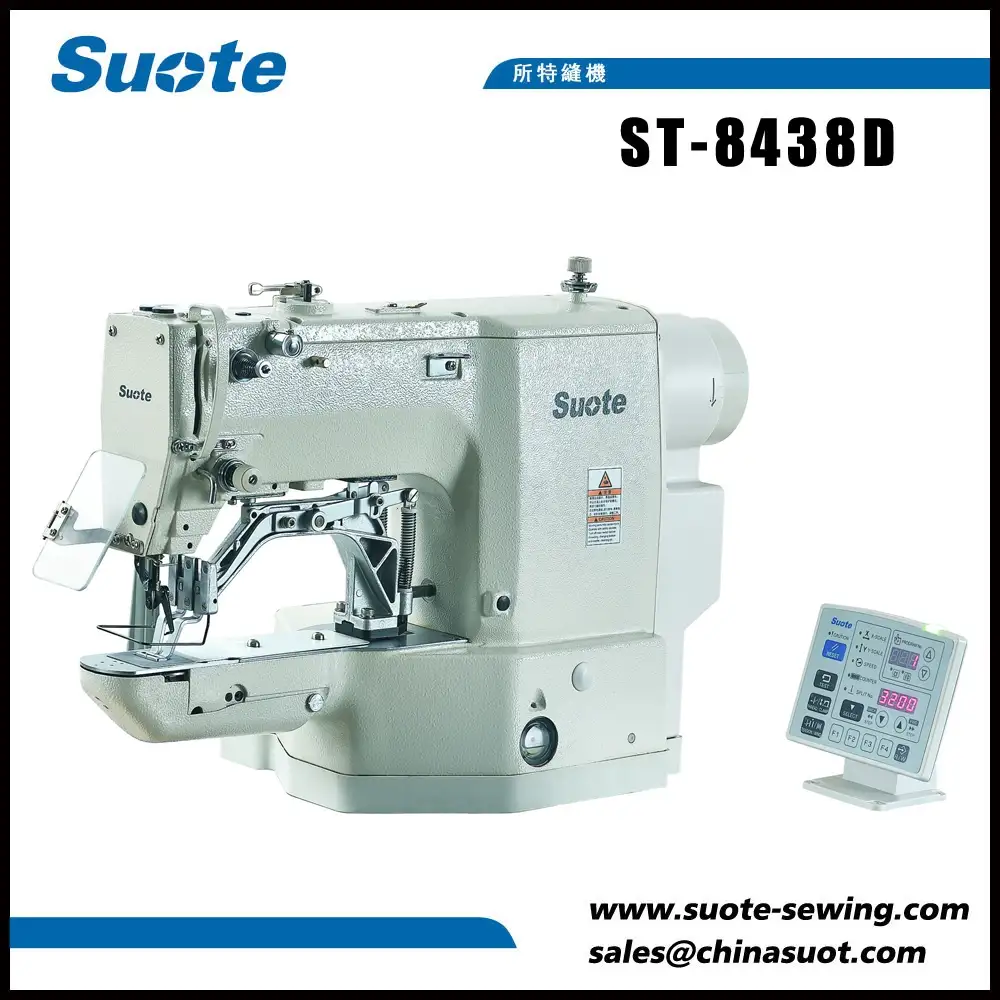
Precision and Consistency
One of the most significant advantages of an Electronic Button Stitch Sewing Machine is its ability to deliver uniform stitches across thousands of garments. Manual methods, while skillful, are inherently prone to human error.
| Feature | Electronic Button Stitch Sewing Machine | Manual Button Sewing |
|---|---|---|
| Stitch Consistency | 100% identical across all units | Varies based on skill and fatigue |
| Precision Control | Digital settings for thread tension | Relies on hand tension and feel |
| Error Rate | Less than 1% (with proper setup) | Can exceed 5% on long runs |
For businesses where brand reputation relies on flawless finishing, the precision offered by Suote machines is unmatched.
Speed and Production Volume
Time is money in the textile industry. The disparity in output speed is the primary driver for businesses transitioning to automated solutions.
Manual Sewing:
-
Average time per button: 45-60 seconds
-
Daily output (8 hours): 480 - 640 buttons
-
Labor intensity: High (causes hand fatigue)
Electronic Button Stitch Sewing Machine:
-
Average time per button: 2-5 seconds
-
Daily output (8 hours): 5,000 - 14,000+ buttons
-
Labor intensity: Low (operator manages machine)
By integrating a Suote Electronic Button Stitch Sewing Machine, factories can reduce labor costs and reallocate skilled workers to more complex tasks, dramatically increasing overall throughput.
Versatility and Material Handling
Modern fashion requires attaching buttons to various fabrics, from delicate silks to heavy denim. Manual methods require changing needles and thread manually, which is time-consuming. An Electronic Button Stitch Sewing Machine offers instant adaptability.
Suote machines allow operators to switch between fabric types without mechanical adjustments. They can handle shank buttons, flat buttons, and various thicknesses with a simple digital command, ensuring that the integrity of the fabric is maintained while the button is secured firmly.
Cost Analysis
While the initial investment in an Electronic Button Stitch Sewing Machine is higher than purchasing needles and thread, the long-term return on investment (ROI) is clear.
-
Manual Method: Low startup cost, but high recurring labor costs and slower turnover.
-
Electronic Machine (Suote): Higher upfront cost, but rapid ROI through increased output and reduced wage bills.
For businesses looking to scale, the Electronic Button Stitch Sewing Machine is not an expense; it is an investment in future capacity.
Electronic Button Stitch Sewing Machine FAQ
To further clarify the benefits, here are answers to three common questions regarding this technology:
Q1: Is an Electronic Button Stitch Sewing Machine difficult for a traditional tailor to learn?
A1: Not at all. Modern machines, particularly those from Suote, are designed with user-friendly interfaces. While the hand-sewing method requires years to master, the electronic machine simplifies the process. The operator simply positions the button and activates the machine. The internal computer handles the stitch count, thread tension, and cutting, allowing a tailor to focus on quality control rather than repetitive motion.
Q2: Can an Electronic Button Stitch Sewing Machine handle different button sizes and shapes?
A2: Yes, this is one of its core strengths. Unlike manual methods which require different techniques for different buttons, an Electronic Button Stitch Sewing Machine can be adjusted via its digital panel to accommodate various sizes. Suote models often include programmable settings, allowing you to save configurations for specific button types, ensuring the machine adapts to the button, not the other way around.
Q3: What are the maintenance requirements compared to manual tools?
A3: Manual tools (needles, thimbles) are consumable and need constant replacement. An Electronic Button Stitch Sewing Machine requires periodic professional maintenance, such as lubrication and sensor calibration. However, because it reduces the physical strain on the operator and standardizes the workload, it actually lowers the "wear and tear" on your workforce. Suote provides comprehensive support and spare parts to ensure your machine remains operational 24/7.
Conclusion
When comparing manual methods to an Electronic Button Stitch Sewing Machine, the evidence points towards automation for any business seeking growth. While manual sewing holds value for artisanal, one-off pieces, the Electronic Button Stitch Sewing Machine delivers the speed, consistency, and reliability required for commercial success.
Ready to upgrade your production line and experience the Suote difference?
Contact us today for a personalized consultation and machine demonstration.