

How Does an Infrared Tunnel Oven Work?
2026-04-28
Summary: Infrared tunnel ovens are a breakthrough in industrial baking and drying processes. This article explores how these ovens work, their advantages, applications, and tips for optimizing performance. We also address common questions from customers, helping you make informed decisions for your production needs.
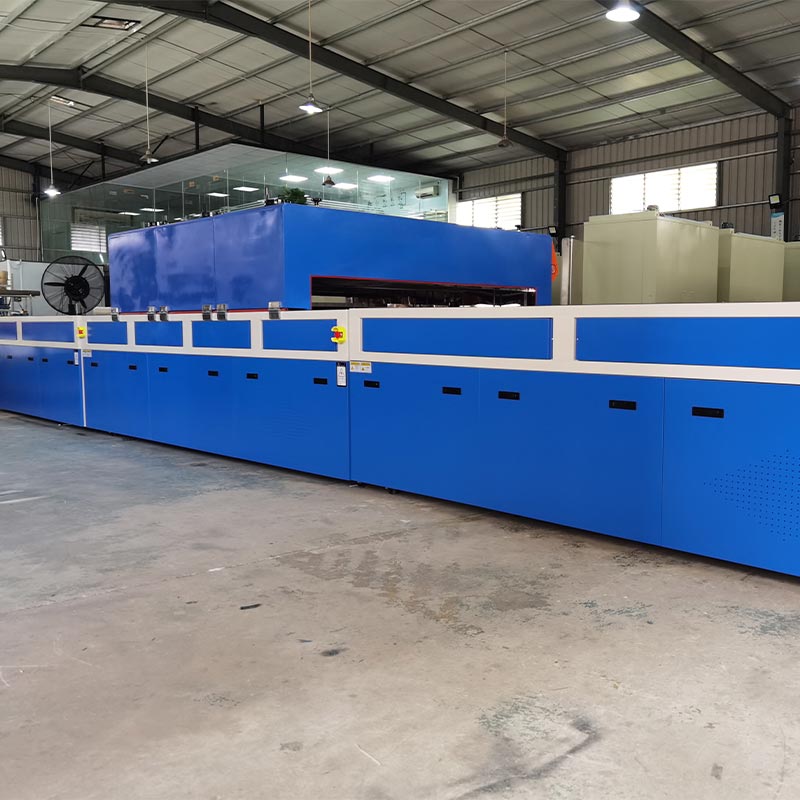
Table of Contents
- Introduction
- Working Principle of Infrared Tunnel Ovens
- Advantages
- Applications
- Maintenance and Optimization Tips
- Frequently Asked Questions
- Conclusion
Introduction
Infrared tunnel ovens have become a popular choice for industries seeking efficient, uniform, and energy-saving heating solutions. Unlike conventional ovens that rely on hot air, infrared ovens use radiant heat to directly warm the product. This allows for faster processing times, improved product quality, and lower operational costs.
Working Principle of Infrared Tunnel Ovens
The core concept of an infrared tunnel oven involves the emission of infrared radiation from specialized heating elements. These elements can be gas-fired, electric, or ceramic-based. When products pass through the tunnel on a conveyor belt, they absorb the radiant energy, resulting in uniform heating without the need for air convection.
- Radiation Heating: Infrared rays penetrate the surface and heat the material directly.
- Conveyor Movement: Products move consistently through the oven, ensuring even exposure.
- Temperature Control: Advanced sensors and controllers maintain precise heat levels to avoid overcooking or underprocessing.
The diagram below illustrates the heat transfer mechanism in an infrared tunnel oven:
| Component | Function |
|---|---|
| Infrared Heating Element | Emits controlled radiant energy to heat products |
| Conveyor Belt | Transports products steadily through the oven |
| Temperature Sensors | Monitors heat levels for uniform processing |
| Insulated Tunnel | Minimizes heat loss and enhances energy efficiency |
Advantages
Infrared tunnel ovens offer numerous benefits compared to traditional ovens:
- Rapid Heating: Reduces cooking or drying times significantly.
- Energy Efficiency: Direct heating minimizes energy wastage.
- Uniform Product Quality: Infrared penetration ensures even cooking or drying.
- Reduced Footprint: Compact design saves factory space.
- Low Maintenance: Fewer moving parts and longer lifespan of heating elements.
Applications
Industries using infrared tunnel ovens include:
- Food Industry: Baking, roasting, dehydrating, and toasting products.
- Electronics: Curing coatings and drying components efficiently.
- Automotive: Preheating, curing, and coating parts with consistent quality.
- Textiles: Drying fabrics or printing inks without causing shrinkage or damage.
Dingfeng’s infrared tunnel ovens are designed to handle diverse industrial needs, delivering consistent results across multiple production lines. For more details on product specifications, visit our Infrared Tunnel Oven page.
Maintenance and Optimization Tips
To ensure your infrared tunnel oven operates at peak performance, consider the following tips:
- Regular Cleaning: Dust and residue can reduce heat efficiency.
- Check Heating Elements: Inspect for signs of wear or damage periodically.
- Conveyor Alignment: Ensure smooth movement to avoid uneven heating.
- Temperature Calibration: Recalibrate sensors to maintain consistent product quality.
- Ventilation: Maintain proper airflow to prevent overheating and extend oven life.
Frequently Asked Questions
- Q: How fast can an infrared tunnel oven heat products?
- A: Depending on the oven type and product, heating times can be 30-50% faster than conventional ovens.
- Q: Are infrared ovens suitable for all materials?
- A: Most solid and semi-solid materials respond well, but reflective or transparent products may require specific adjustments.
- Q: How energy-efficient are infrared ovens?
- A: By delivering heat directly to the product, infrared ovens can reduce energy consumption by up to 40% compared to traditional methods.
- Q: Can the oven temperature be precisely controlled?
- A: Yes, advanced infrared tunnel ovens from Dingfeng offer digital controllers and multiple sensor zones for exact temperature management.
Conclusion
Infrared tunnel ovens represent a modern, efficient, and reliable solution for industrial heating, drying, and baking needs. Dingfeng provides high-quality ovens designed to optimize production efficiency while maintaining superior product quality. Whether you operate in the food, electronics, automotive, or textile industry, integrating an infrared tunnel oven can revolutionize your production process.
For more information on our infrared tunnel ovens and to discuss your production requirements, contact us today and let Dingfeng help you achieve faster, more energy-efficient results.