

How Does an Ingersoll Rand Air Compressor Work?
2026-04-28
Summary: Ingersoll Rand air compressors are renowned for their reliability, energy efficiency, and versatility in various industrial applications. This article delves into their working principles, types, maintenance tips, and troubleshooting strategies to help businesses maximize performance while reducing downtime. With insights from DC Compressor, you'll understand why choosing the right compressor can significantly impact operational efficiency.
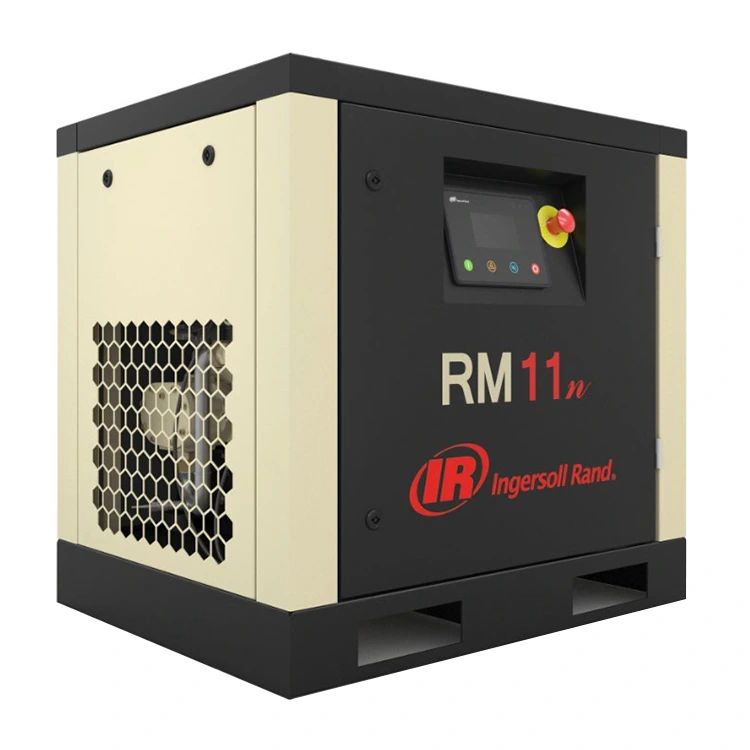
Table of Contents
- What is an Ingersoll Rand Air Compressor?
- Types of Ingersoll Rand Air Compressors
- How Does it Work?
- Maintenance and Care
- Common Issues and Troubleshooting
- FAQ
What is an Ingersoll Rand Air Compressor?
An Ingersoll Rand air compressor is a machine designed to convert power into potential energy stored in pressurized air. Widely used in industrial, automotive, and construction applications, these compressors provide consistent airflow for powering tools, machinery, and other pneumatic equipment. DC Compressor offers a full range of Ingersoll Rand models tailored to meet different operational demands.
- High durability for long-term operations
- Energy-efficient designs to reduce operating costs
- Advanced control systems for precise air delivery
- Wide range of applications including automotive shops, factories, and construction sites
Types of Ingersoll Rand Air Compressors
Choosing the right type of air compressor depends on your operational needs. Below is an overview of the main types offered by DC Compressor:
| Type | Description | Best Use Case |
|---|---|---|
| Rotary Screw | Continuous airflow, low noise, energy-efficient. | Industrial manufacturing, workshops with high-demand tools. |
| Piston (Reciprocating) | Intermittent airflow, cost-effective, simple design. | Small workshops, maintenance tasks, temporary setups. |
| Oil-Free | Delivers clean air without oil contamination. | Food processing, pharmaceuticals, medical applications. |
How Does it Work?
The working principle of an Ingersoll Rand air compressor involves several key steps:
- Air Intake: Atmospheric air is drawn into the compressor through a filter to remove dust and impurities.
- Compression: The air is compressed using either a piston or rotary screw mechanism, increasing pressure while reducing volume.
- Cooling: Compressed air heats up during compression. An integrated cooling system prevents overheating and ensures efficiency.
- Storage: Pressurized air is stored in a tank or receiver until needed for operation.
- Delivery: Controlled release of pressurized air powers pneumatic tools or processes.
Modern Ingersoll Rand compressors also include advanced controls for pressure regulation, energy optimization, and system monitoring, ensuring reliable performance across diverse applications.
Maintenance and Care
Proper maintenance ensures longevity and peak performance of your Ingersoll Rand air compressor. Key tips from DC Compressor include:
- Check and replace air filters regularly.
- Monitor oil levels and change oil as recommended for lubricated models.
- Drain moisture from the tank to prevent corrosion.
- Inspect hoses, connections, and fittings for leaks.
- Schedule periodic professional servicing to detect wear and prevent downtime.
Consistent maintenance reduces repair costs and improves operational efficiency.
Common Issues and Troubleshooting
Even high-quality compressors may encounter problems. Here are frequent issues and solutions:
| Issue | Possible Cause | Solution |
|---|---|---|
| Excessive noise | Loose components or worn bearings | Inspect and tighten parts, replace bearings if needed |
| Overheating | Insufficient cooling or clogged filters | Clean filters, ensure proper ventilation |
| Low pressure | Air leaks or faulty valves | Check hoses and valves, replace damaged parts |
FAQ
Q1: How often should I service my Ingersoll Rand air compressor?
A: Typically, service intervals are every 500-1000 hours of operation, depending on the model and usage intensity. Follow the manufacturer’s recommendations.
Q2: Can I use an oil-free compressor for industrial machinery?
A: Yes, oil-free compressors are suitable for industries requiring clean air, such as food, pharmaceuticals, and electronics.
Q3: What is the lifespan of an Ingersoll Rand air compressor?
A: With proper maintenance, these compressors can last 10-15 years or more, depending on usage and operating conditions.
For businesses looking to invest in reliable and efficient air compressors, DC Compressor provides a comprehensive range of Ingersoll Rand models designed to meet diverse industrial requirements. Explore our selection and ensure your operations run smoothly with minimal downtime. Contact us today to learn more and get tailored recommendations for your facility.