

How Does an Insulated Glass Machine Improve Glass Processing Efficiency?
2026-07-30
Article Summary
The demand for high-performance insulated glass continues to grow in residential buildings, commercial projects, and industrial applications. However, many glass manufacturers face challenges such as low production efficiency, inconsistent sealing quality, high labor costs, and increasing requirements for energy-saving glass solutions. An advanced insulated glass machine provides an effective way to solve these problems by improving automation, accuracy, productivity, and overall product quality.
This article explains how an insulated glass machine works, why it is important for modern glass production, what challenges manufacturers commonly encounter, and how selecting the right equipment can create long-term value. With professional manufacturing experience, LBL provides reliable insulated glass processing solutions designed to help businesses achieve stable and efficient production.
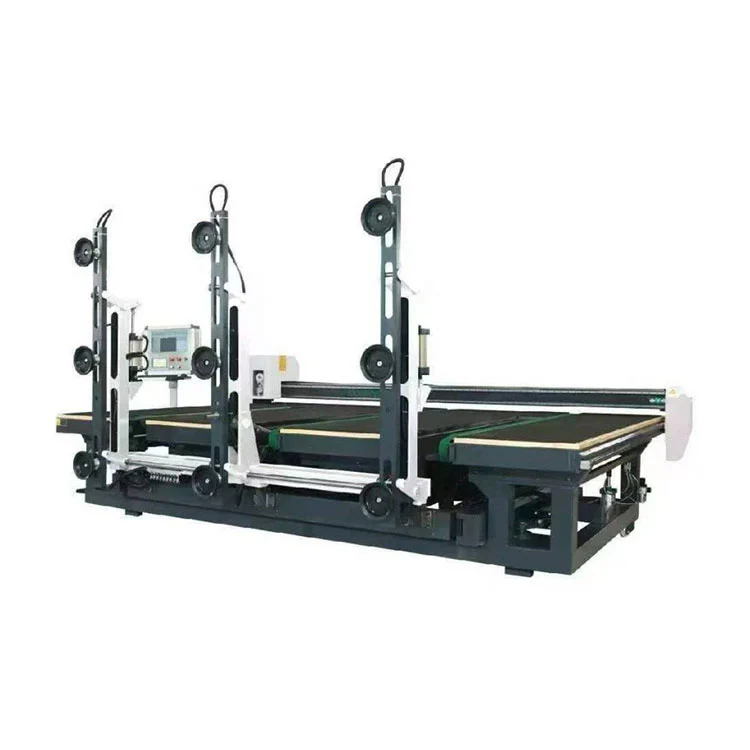
Table of Contents
- What Is an Insulated Glass Machine?
- How Does an Insulated Glass Machine Work?
- What Problems Can an Insulated Glass Machine Solve?
- Key Advantages of Using an Insulated Glass Machine
- How to Choose the Right Insulated Glass Machine?
- Applications of Insulated Glass Machines
- Future Trends in Insulated Glass Processing Technology
- Frequently Asked Questions
Article Outline
- Understanding insulated glass machine technology
- Production process and working principles
- Common manufacturing challenges and solutions
- Benefits for modern glass factories
- Important factors when purchasing equipment
- Industry applications and future development
What Is an Insulated Glass Machine?
An insulated glass machine is specialized equipment designed for manufacturing insulated glass units (IGUs), which consist of two or more glass panels separated by a spacer and sealed to create an insulating air or gas-filled space. These units are widely used in modern buildings because they provide excellent thermal insulation, noise reduction, and energy-saving performance.
Traditional insulated glass production often depends heavily on manual operations. Workers need to handle glass positioning, cleaning, spacer placement, sealing, and inspection separately. This production method can lead to inconsistent quality, slower processing speeds, and higher operating costs.
An insulated glass machine integrates multiple processing steps into an automated production line. It can complete glass washing, positioning, assembling, pressing, and sealing with improved precision. For manufacturers producing large volumes of insulating glass, this equipment has become an essential investment for maintaining competitiveness.
How Does an Insulated Glass Machine Work?
Understanding the working process of an insulated glass machine helps manufacturers choose suitable equipment and optimize production performance. Although different models may have different configurations, most machines follow a similar processing procedure.
| Processing Stage | Main Function | Production Benefit |
|---|---|---|
| Glass Loading | Transfers glass panels into the production line | Reduces manual handling and improves safety |
| Glass Washing | Cleans glass surfaces before assembly | Improves sealing reliability |
| Positioning and Assembly | Aligns glass panels and spacers accurately | Ensures consistent product dimensions |
| Pressing Process | Combines glass layers firmly | Creates stable insulated glass structures |
| Sealing | Applies sealant around the glass edges | Prevents air leakage and moisture penetration |
The first stage involves loading glass sheets into the machine. The equipment then automatically transports the glass through cleaning systems where brushes and water circulation remove dust, fingerprints, and other contaminants.
After cleaning, the glass moves to the assembly section. The machine precisely positions spacers between glass layers to create an even insulating space. Accurate positioning is essential because uneven spacer placement may affect insulation performance and final appearance.
The assembled glass unit then enters the pressing section. Controlled pressure ensures that the glass layers are firmly combined while maintaining proper alignment. Finally, the sealing process applies insulating materials around the edges to protect the internal space from external moisture and air leakage.
What Problems Can an Insulated Glass Machine Solve?
Glass manufacturers often experience several production difficulties when relying on outdated equipment or manual processes. An insulated glass machine provides practical solutions to these challenges.
- Inconsistent Product Quality: Manual operations may cause differences between individual glass units. Automated systems maintain stable processing standards and reduce human errors.
- Low Production Capacity: Growing market demand requires faster manufacturing speeds. Automated insulated glass machines allow factories to increase output without significantly expanding labor requirements.
- High Labor Expenses: Multiple manual steps require more workers and increase operational costs. Automation reduces dependence on intensive labor.
- Sealing Problems: Poor sealing can cause condensation, energy loss, and shortened service life. Precision sealing technology improves durability.
- Material Waste: Incorrect positioning or handling can damage glass materials. Advanced equipment improves accuracy and reduces unnecessary waste.
Key Advantages of Using an Insulated Glass Machine
Investing in a professional insulated glass machine brings measurable benefits to glass processing companies. The advantages extend beyond production speed and include quality improvement, cost control, and business growth.
| Advantage | Description |
|---|---|
| Higher Efficiency | Automated processes shorten production cycles and increase daily output. |
| Better Accuracy | Advanced control systems ensure precise glass alignment and assembly. |
| Improved Reliability | Stable processing reduces defects and improves finished product performance. |
| Lower Operating Costs | Reduced labor requirements and material waste improve profitability. |
| Flexible Production | Modern machines can support different glass sizes and configurations. |
For manufacturers serving demanding markets, production consistency is especially important. Buildings today require glass products that meet strict requirements for insulation, safety, and durability. Reliable equipment helps companies maintain product standards while responding quickly to customer demands.
How to Choose the Right Insulated Glass Machine?
Selecting suitable equipment requires careful evaluation of production needs, technical requirements, and long-term business goals. The following factors should be considered before purchasing.
- Production Capacity: Choose equipment according to expected daily output and future expansion plans.
- Automation Level: Higher automation can improve efficiency and reduce operational complexity.
- Glass Compatibility: Confirm that the machine supports required glass thicknesses, dimensions, and product types.
- System Stability: Reliable electrical systems and mechanical components ensure continuous operation.
- After-Sales Support: Technical service and maintenance support are important for long-term equipment performance.
LBL focuses on providing practical insulated glass processing solutions that help manufacturers improve production efficiency and maintain reliable quality. By combining advanced manufacturing technology with user-oriented design, LBL supports customers in achieving better production results.
Applications of Insulated Glass Machines
Insulated glass machines are widely used in industries where energy efficiency, comfort, and building performance are important. Typical application fields include:
- Residential windows and doors
- Commercial building curtain walls
- Office towers and shopping centers
- Hotels and public facilities
- Energy-saving architectural projects
- Special glass manufacturing applications
As green building standards continue to develop worldwide, insulated glass products are becoming increasingly important. Efficient manufacturing equipment allows suppliers to meet growing demand while maintaining competitive production costs.
Future Trends in Insulated Glass Processing Technology
The future of insulated glass manufacturing will focus on smarter automation, higher energy efficiency, and improved production management. Advanced equipment will increasingly integrate intelligent control systems, real-time monitoring, and optimized production workflows.
Manufacturers are also paying more attention to sustainability. Equipment that reduces material waste, improves energy utilization, and increases production efficiency will become more valuable in the market.
With continuous innovation, insulated glass machines will continue helping manufacturers create higher-quality products while adapting to changing industry requirements.
Frequently Asked Questions
Q1: What is the main purpose of an insulated glass machine?
An insulated glass machine is used to manufacture insulated glass units by automatically completing processes such as glass cleaning, positioning, pressing, and sealing.
Q2: Why should manufacturers use an automated insulated glass machine?
Automation improves production efficiency, reduces labor costs, minimizes errors, and helps maintain consistent product quality.
Q3: Can an insulated glass machine process different glass sizes?
Many modern machines support various glass specifications. Manufacturers should select equipment according to their specific production requirements.
Q4: How does sealing quality affect insulated glass performance?
High-quality sealing prevents moisture and gas leakage, improving thermal insulation performance and extending product lifespan.
Q5: Why choose LBL for insulated glass machine solutions?
LBL provides professional insulated glass processing equipment designed for efficiency, accuracy, and stable operation. The company focuses on helping customers improve manufacturing capability with reliable solutions.
Conclusion
An insulated glass machine plays an essential role in modern glass manufacturing by improving efficiency, product consistency, and production reliability. As demand for energy-saving and high-performance glass continues to increase, investing in advanced equipment has become a strategic choice for manufacturers.
LBL delivers dependable insulated glass machine solutions that help businesses optimize production processes and achieve long-term growth. If you are looking for professional equipment support, customized solutions, or more information about insulated glass processing technology, please contact us today and let LBL help you build a more efficient glass manufacturing future.