

How Does Pre-Coating Technology in Thermal Laminating Machines Differ from Conventional Thermal Laminating Systems
2026-04-08
In the world of professional printing and document finishing, understanding the difference between a Thermal Film Pre-coating Laminating Machine and conventional thermal laminators is essential for achieving high-quality, durable results. At Hongqiang, we have observed a growing shift toward pre-coating technology due to its efficiency and superior output. This article breaks down the technical distinctions, advantages, and practical applications of these two systems.
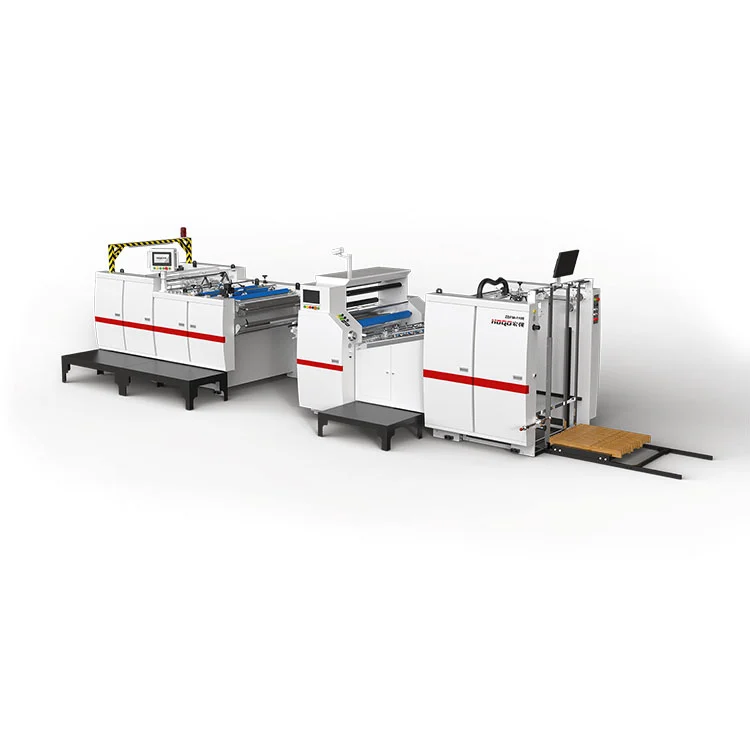
The Core Technical Difference
Conventional thermal laminating systems rely on a two-step process where adhesive is applied to the film during lamination using a heated roller and a separate adhesive layer. In contrast, a Thermal Film Pre-coating Laminating Machine uses film that already has a layer of adhesive fused to it during manufacturing. This means the machine only needs to apply heat and pressure to activate the adhesive, not to create it.
The following table summarizes the key differences:
| Feature | Conventional Thermal Laminating System | Thermal Film Pre-coating Laminating Machine (Hongqiang) |
|---|---|---|
| Adhesive Application | Applied during lamination | Pre-applied by the film manufacturer |
| Temperature Control | Requires higher and less stable heat | Lower, more consistent temperature range |
| Risk of Bubbles | Higher due to uneven adhesive flow | Minimal due to uniform adhesive layer |
| Setup Time | Longer (adhesive melting delay) | Instant start-up |
| Film Waste | More waste from misaligned adhesive | Less waste, clean activation |
Why Pre-Coating Technology Delivers Better Results
With Hongqiang equipment, the pre-coated film ensures an even layer of adhesive across the entire substrate. This eliminates common issues like bubbling, peeling, or uneven gloss. Conventional systems often suffer from "orange peel" effects or adhesive bleeding at the edges. Because the adhesive is already fixed to the film, the lamination speed can be increased without compromising bond strength.
Thermal Film Pre-coating Laminating Machine FAQ
Question 1: Can a Thermal Film Pre-coating Laminating Machine handle both glossy and matte finishes without changing settings drastically?
Answer: Yes. A Thermal Film Pre-coating Laminating Machine like those from Hongqiang is designed to work seamlessly with both glossy and matte pre-coated films. The machine only needs minor adjustments in roller pressure and temperature (typically between 100°C to 120°C for pre-coated films) compared to conventional systems which may require a complete adhesive recalibration. The adhesive layer is already optimized for the film type, so switching finishes is fast and produces consistent, streak-free results every time.
Question 2: Does pre-coating technology reduce the total cost of ownership compared to conventional thermal laminating systems?
Answer: Absolutely. While pre-coated film may have a slightly higher per-roll cost than raw film plus liquid adhesive, a Thermal Film Pre-coating Laminating Machine significantly lowers long-term expenses. Conventional systems waste up to 15-20% of film due to adhesive misapplication, roller cleaning, and rejected prints. Pre-coating eliminates adhesive mixing, reduces cleanup time by over 70%, and lowers energy consumption because lower temperatures are required. Hongqiang machines also experience less roller wear since no liquid adhesive contacts the rollers directly. Over one year of daily use, the total cost of operation is typically 30-40% lower than conventional systems.
Question 3: What types of substrates are compatible with a Thermal Film Pre-coating Laminating Machine that conventional systems struggle with?
Answer: A Thermal Film Pre-coating Laminating Machine excels with difficult substrates that conventional systems often damage. For example, inkjet-printed photos (especially those on porous paper), digitally printed materials with toner-based inks, and thin 80gsm paper are all safe because the pre-coated adhesive activates without soaking into the substrate. Conventional systems using wet adhesive can cause ink bleeding, paper warping, or toner lifting. Hongqiang pre-coating technology also handles synthetic papers, light cardstock (up to 300gsm), and even heat-sensitive labels without distortion, making it far more versatile for specialty printing applications.
Best Practices for Maximum Performance
To ensure your Thermal Film Pre-coating Laminating Machine operates at peak efficiency, follow these guidelines:
-
Storage: Keep pre-coated film in a cool, dry place below 25°C to prevent premature adhesive activation.
-
Cleaning: Use a soft cloth and isopropyl alcohol on rollers daily to remove any residue.
-
Speed: Start at 3 meters per minute and adjust based on substrate thickness.
Conclusion and Contact Information
Understanding the operational and cost benefits of pre-coating technology allows print professionals to make informed decisions. Hongqiang provides industry-leading Thermal Film Pre-coating Laminating Machine solutions that reduce waste, improve finish quality, and lower energy usage compared to conventional thermal laminating systems.
Contact us today to request a product catalog or a free lamination test with your materials. Our team is ready to help you upgrade your finishing line.