
How Does Wastewater Treatment Work in an Electroless Nickel Plating Line
2026-09-24
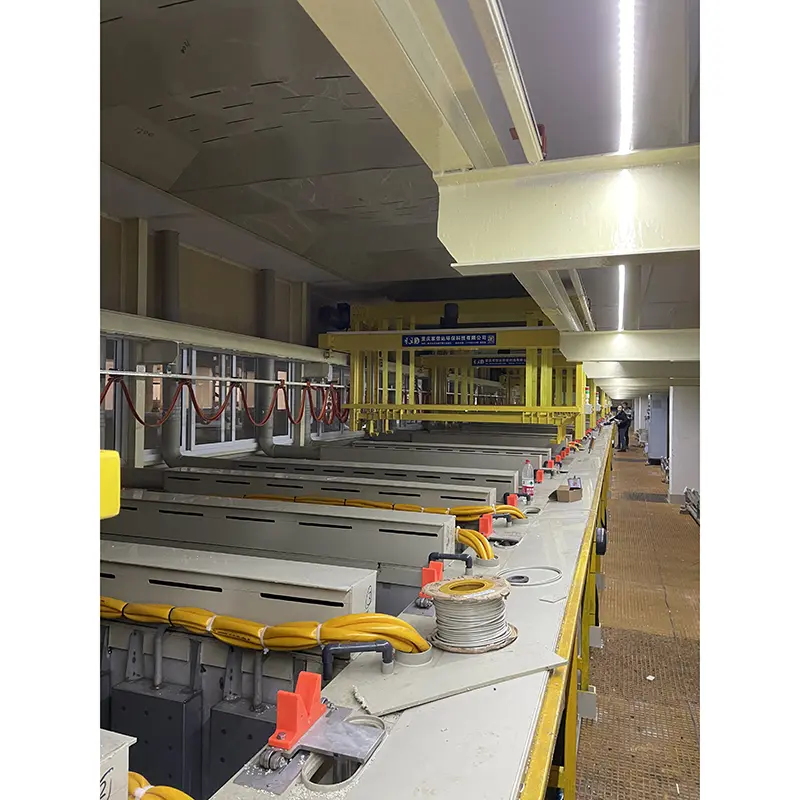
An Electroless Nickel Plating Line generates a complex mix of spent plating baths, rinse waters, and cleaning solutions that cannot be discharged without proper treatment. At JUNDA, we design integrated wastewater treatment systems specifically for Electroless Nickel Plating Line operations, helping manufacturers meet discharge limits while recovering valuable resources. This guide explains the chemistry, process steps, and practical considerations behind effective treatment.
Why Electroless Nickel Wastewater Is Difficult to Treat
Unlike simple acid rinses, electroless nickel wastewater contains:
-
Hypophosphite (a strong reducing agent that resists conventional precipitation)
-
Complexing agents such as citrate, lactate, or glycine that hold nickel in solution
-
Phosphite and other reaction byproducts
-
Ammonia and organic chelates from bath stabilizers
These components keep nickel soluble far beyond normal pH adjustment, which is why a standard hydroxide precipitation system alone will not work.
Core Treatment Stages in an Electroless Nickel Plating Line
| Stage | Purpose | Typical Technology |
|---|---|---|
| 1. Segregation | Separate concentrated spent bath from dilute rinses | Holding tanks, batch collection |
| 2. Oxidation | Break hypophosphite to orthophosphate | Fenton, ozone, or hypochlorite oxidation |
| 3. Complex Destruction | Release nickel from chelates | Advanced oxidation (UV/H₂O₂, ozone) |
| 4. Precipitation | Convert dissolved nickel to solid sludge | pH adjustment to 10.5–11 with hydroxide or sulfide |
| 5. Flocculation | Aggregate fine particles | Polymer addition, gentle mixing |
| 6. Clarification | Separate sludge from water | Lamella clarifier or DAF |
| 7. Polishing | Meet residual metal limits | Ion exchange, membrane filtration |
| 8. Sludge Handling | Dewater and dispose safely | Filter press, drying beds |
Key Operating Parameters
| Parameter | Recommended Range | Why It Matters |
|---|---|---|
| Oxidation ORP | 350–450 mV | Ensures hypophosphite conversion |
| Precipitation pH | 10.5–11.0 | Maximum nickel hydroxide insolubility |
| Reaction time | 30–60 minutes | Complete complex breakdown |
| Polymer dose | 1–5 mg/L | Optimal floc size without over-dosing |
| Effluent Ni | < 0.1–0.5 mg/L | Depending on local discharge limits |
JUNDA integrates these stages into compact, automated skids that fit directly downstream of any Electroless Nickel Plating Line, reducing footprint and operator error.
Frequently Asked Questions
Can I discharge electroless nickel rinse water to a municipal sewer without treatment?
No, because hypophosphite and chelated nickel will pass through conventional sewage treatment, causing permit violations and environmental harm; pre-treatment with oxidation and precipitation is mandatory in most jurisdictions.
How often should I change the treatment chemicals in my system?
Chemical dosing is continuous and proportional to flow and nickel load, but you should calibrate pumps weekly, test ORP and pH daily, and replace ion exchange resin when breakthrough occurs, typically every 6–12 months depending on volume.
What is the most common reason an Electroless Nickel Plating Line wastewater system fails inspection?
The most common failure is incomplete complex destruction, which leaves dissolved nickel above the limit even after precipitation, so facilities should verify oxidation efficiency with regular jar tests and adjust oxidant dose accordingly.
Reducing Cost and Environmental Impact
A well-designed system does more than comply. JUNDA helps clients recover nickel-rich sludge for recycling, reuse treated water in rinses, and minimize chemical consumption through real-time monitoring. This lowers operating costs and strengthens environmental, social, and governance performance.
Contact Us
Ready to optimize wastewater treatment for your Electroless Nickel Plating Line? Contact JUNDA today for a customized assessment, pilot testing, and a full proposal that meets your discharge limits and budget.