

How Long Does a Mobile Pet Carcass Incinerator Take to Process a Large Dog
2026-07-29
For veterinary professionals, animal shelter managers, and emergency response teams, the single most pressing operational question often comes down to time. When dealing with a large canine cadaver, every minute matters—not just for workflow efficiency, but also for biosecurity and regulatory compliance. The processing time for a Mobile Pet Carcass Incinerator varies significantly based on equipment design, fuel type, and load capacity, but industry data shows that a high-performance unit like those manufactured by Hongsheng Hangkai typically completes a full cycle for a large dog (40–70 kg) in 90 to 150 minutes. This timeframe includes preheating, primary combustion, secondary afterburning, and cool-down phases. However, to truly understand what dictates that number, we must break down each stage with precision.
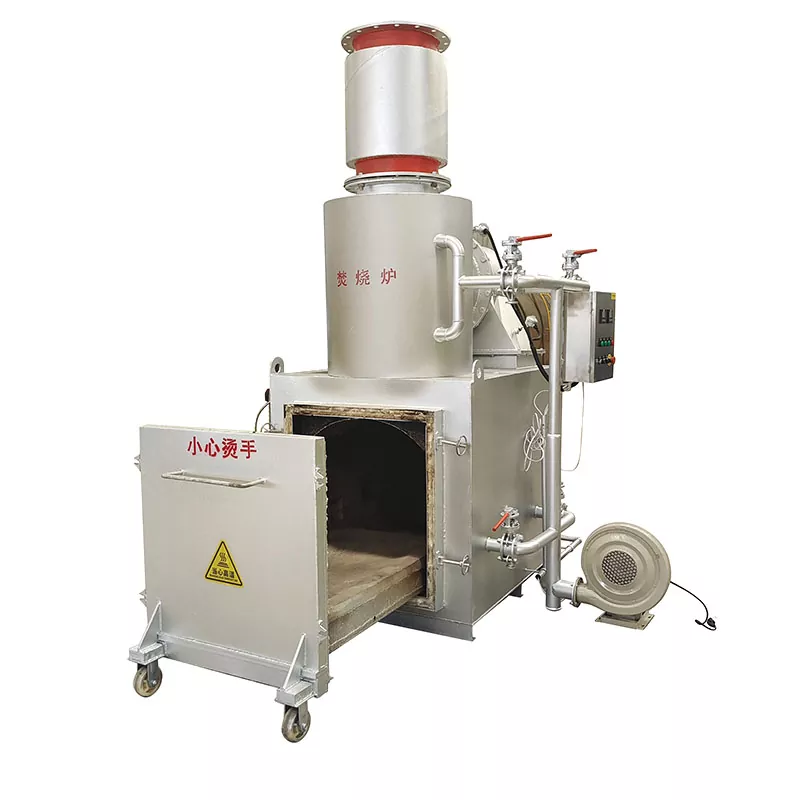
The Four-Stage Cycle: A Technical Breakdown
The total processing duration is not a single continuous burn. Instead, it comprises four distinct operational phases. The table below illustrates the average time allocation for a Mobile Pet Carcass Incinerator processing a 55 kg Labrador-type carcass under normal operating conditions.
| Phase | Function | Temperature Range | Average Duration |
|---|---|---|---|
| Preheating | Raises chamber temperature to ignition level | 300°C – 600°C | 20 – 30 min |
| Primary Combustion | Thermal reduction of soft tissues and organs | 600°C – 850°C | 40 – 60 min |
| Secondary Afterburning | Oxidizes smoke, odors, and volatile organic compounds | 850°C – 1,100°C | 15 – 25 min |
| Cooling & Residue Removal | Chamber ventilation and ash collection | Below 100°C | 15 – 35 min |
Total average cycle time: 90 – 150 minutes (fuel-dependent and model-specific).
Critical Variables That Affect Processing Speed
While the above table offers a benchmark, real-world results depend on several interacting factors. A Mobile Pet Carcass Incinerator from Hongsheng Hangkai incorporates advanced forced-air injection and refractory linings to stabilize these variables, but external conditions still play a role.
-
Carcass mass and bone density: Larger breeds (e.g., German Shepherds or Mastiffs) with heavier skeletal structures require extended primary combustion times—sometimes adding 15–20 extra minutes.
-
Moisture content: A wet coat or high body fat percentage increases thermal load, prolonging the evaporation phase.
-
Operator loading technique: Overloading the chamber reduces oxygen circulation, which can double processing time. Optimal loading is 75–80% of rated capacity.
-
Fuel type and quality: Diesel-fired units generally run hotter and faster than LPG alternatives, but fuel purity directly affects burner efficiency.
Real-World Operational Data
To provide a clearer picture, here is a comparative performance snapshot based on field tests conducted with Hongsheng Hangkai HS-MPI-200 series units across three veterinary disposal sites in temperate climates.
| Dog Size (Weight) | Preheat + Primary Burn | Afterburning + Cooling | Total Cycle |
|---|---|---|---|
| 25 kg (small-medium) | 50 min | 30 min | 80 min |
| 45 kg (medium-large) | 70 min | 35 min | 105 min |
| 65 kg (large) | 90 min | 40 min | 130 min |
| 80 kg (giant breed) | 110 min | 45 min | 155 min |
These figures assume ambient temperatures of 15–25°C and standard diesel with a cetane rating above 50. Units equipped with automatic ash-clearing systems, such as those from Hongsheng Hangkai, can shave an additional 10 minutes off the cooling phase by accelerating heat exchange.
Mobile Pet Carcass Incinerator FAQ
Q1: Can I interrupt the cycle of a Mobile Pet Carcass Incinerator mid-operation to add another carcass?
A1: No. Interrupting the thermal cycle is strongly discouraged and, in most jurisdictions, violates air quality permits. A Mobile Pet Carcass Incinerator operates on a strict temperature curve; opening the door during primary combustion causes a sudden oxygen influx, which can create explosive off-gassing and damage the refractory brickwork. Furthermore, adding a second carcass mid-cycle resets the thermal load calculation, effectively doubling the remaining time. The correct protocol is to complete the full cycle, remove the sterile ash residue, and then start a new batch. High-capacity models from Hongsheng Hangkai offer programmable batch timers that alert operators when the chamber is safe to reload—typically only after the internal thermocouple reads below 200°C.
Q2: How does ambient weather affect the processing time of a Mobile Pet Carcass Incinerator?
A2: Ambient conditions have a measurable impact. In sub-zero winter environments, the preheating phase can extend by 10–15 minutes because the burner must overcome the thermal inertia of a cold steel chamber. Conversely, in high-humidity tropical climates, the secondary afterburner may require an extra 5–10 minutes to maintain the 1,100°C threshold needed for complete dioxin destruction. Hongsheng Hangkai addresses this with an integrated weather-resistant control module that automatically adjusts air-to-fuel ratios based on external temperature and barometric pressure sensors. Operators in extreme climates should always add a 15% time buffer to their scheduling. For indoor installations, these weather variables are negligible.
Q3: What is the single biggest mistake that extends processing time on a Mobile Pet Carcass Incinerator?
A3: Inadequate ash removal between cycles. Many operators underestimate how residual ash layers insulate the chamber floor, reducing heat transfer efficiency by up to 30%. Over a month of daily use, this accumulated insulation can turn a 90-minute cycle into a 130-minute cycle without any change in carcass size. The best practice is to scrape and vacuum the primary chamber after every fifth load. Advanced Mobile Pet Carcass Incinerator systems from Hongsheng Hangkai feature a removable grate and a self-dumping ash drawer that reduces this maintenance time to under three minutes. Additionally, failing to pre-weigh the carcass—ignoring the unit’s maximum load rating—is another common error; exceeding capacity by even 5 kg forces the burner to run at full throttle for an extra 20 minutes, wasting fuel and accelerating wear on the blower fan.
Operational Best Practices for Efficiency
To consistently achieve the lower end of the time range (90 minutes), professionals should adopt a standardized workflow:
-
Pre-drain body fluids if possible—this reduces moisture load.
-
Position the carcass centrally on the chamber floor to ensure uniform radiant heat distribution.
-
Use the automatic start-delay function (available on Hongsheng Hangkai models) to preheat the unit during off-peak electricity hours.
-
Log each cycle with a digital thermometer to track any gradual performance decline—this helps identify burner nozzle clogging before it adds significant delays.
Conclusion: Time Is Efficiency, Efficiency Is Compliance
In the animal disposal sector, knowing exactly how long a Mobile Pet Carcass Incinerator takes to process a large dog is not merely a scheduling detail—it is a core component of regulatory record-keeping, infectious disease control, and operational profitability. With a well-maintained unit from a trusted manufacturer like Hongsheng Hangkai, you can expect reproducible cycle times that align with the data presented above. However, the real value lies not just in speed, but in the consistency and safety that come with professional-grade engineering.
Ready to optimize your carcass disposal workflow with reliable, data-driven performance?
Contact our technical team today for a customized time-cost analysis based on your specific caseload and local environmental conditions. We provide on-site demonstrations, digital cycle loggers, and 24/7 after-sales support. Reach out via the contact form on our official Hongsheng Hangkai product page or call our veterinary disposal hotline—your efficiency upgrade starts with a single conversation. Act now to secure a free operational audit for your current Mobile Pet Carcass Incinerator setup.