

How Mailer Box Folding Machine Improves Packaging Efficiency
2026-09-29
Article Summary:
A Mailer Box Folding Machine plays an important role in modern packaging production by transforming flat box blanks into accurately formed mailer boxes with higher efficiency and consistency. For manufacturers facing rising labor costs, unstable folding quality, and increasing order pressure, automated folding equipment provides a practical solution. This article explains how Mailer Box Folding Machine technology works, how it improves packaging operations, and what factors businesses should consider before investing in an automated box forming system.
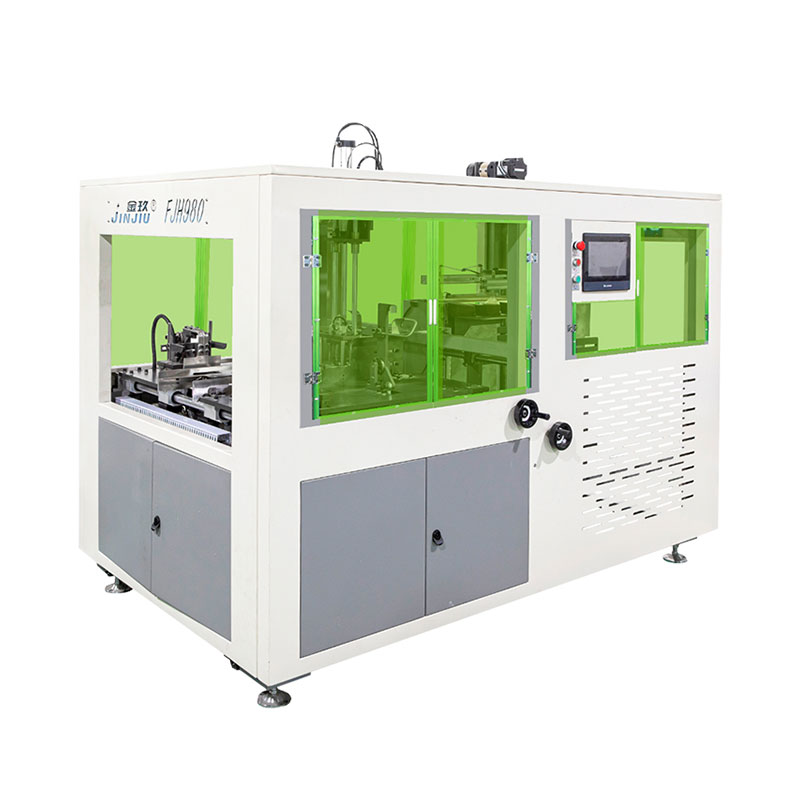
What Problems Does a Mailer Box Folding Machine Solve?
The packaging industry has changed significantly with the growth of e-commerce, retail distribution, and customized product shipping. Customers now expect packaging that is attractive, strong, and delivered quickly. However, many manufacturers still rely on manual box folding processes, creating limitations in production efficiency and quality control.
A Mailer Box Folding Machine is designed to solve these challenges by automatically forming flat cardboard or corrugated blanks into finished mailer boxes. Instead of depending on workers to manually fold every box, the machine performs feeding, positioning, folding, and forming processes with stable accuracy.
- High labor requirements for repetitive folding operations
- Different workers creating inconsistent box shapes
- Slow production speed during peak order periods
- Increased material waste caused by incorrect folding
- Difficulties maintaining stable quality for large orders
For companies producing thousands of packages every day, improving the folding stage can directly influence delivery speed, production costs, and customer satisfaction.
How Does a Mailer Box Folding Machine Work?
Understanding the working process helps buyers evaluate whether the equipment matches their production requirements. A modern Mailer Box Folding Machine usually integrates automatic feeding, precision positioning, forming, and output systems to complete the entire folding procedure.
1. Automatic Box Blank Feeding
The process begins with flat box blanks placed in the feeding section. The automatic feeding mechanism separates and transfers each blank into the forming area, reducing manual handling and maintaining continuous production.
2. Precise Positioning and Forming
After entering the folding station, the machine accurately positions the cardboard and applies controlled pressure to create the required box structure. This ensures consistent folding angles and clean edges.
3. Side Panel Folding and Locking
Mailer boxes usually include special folding structures that allow quick assembly without traditional glue application. The machine folds side panels and completes locking procedures automatically.
4. Finished Box Output
After forming, finished mailer boxes are automatically discharged and prepared for the next packaging process, such as filling, labeling, or shipping preparation.
| Working Stage | Main Function | Production Benefit |
|---|---|---|
| Feeding | Automatic transfer of flat blanks | Reduces manual operation |
| Positioning | Accurate blank alignment | Improves folding consistency |
| Forming | Creates complete mailer box structure | Maintains stable quality |
| Output | Transfers finished boxes | Supports continuous production |
Key Advantages for Modern Packaging Production
Higher Production Efficiency
Manual folding speed depends heavily on worker experience and physical capacity. Automated equipment provides stable production performance, allowing manufacturers to handle larger orders without increasing workforce requirements.
Consistent Folding Quality
Packaging appearance directly affects brand image. Uneven folds, incorrect angles, or damaged corners can influence the final customer experience. A Mailer Box Folding Machine maintains consistent forming accuracy throughout long production cycles.
Reduced Labor Pressure
Labor shortages and increasing operating costs have become important concerns for many packaging manufacturers. Automation reduces repetitive tasks and allows employees to focus on higher-value production activities.
Better Production Management
Automated systems provide more predictable output, making production planning easier. Manufacturers can estimate capacity more accurately and improve delivery reliability.
| Manual Folding | Automatic Folding Machine |
|---|---|
| Depends on worker speed | Stable production rhythm |
| Quality differences between operators | Consistent folding results |
| Higher labor demand | Lower operation requirements |
| Difficult for large orders | Suitable for continuous production |
Important Factors Before Purchasing a Mailer Box Folding Machine
Choosing packaging equipment requires more than checking machine speed. Manufacturers should evaluate their actual production needs, box specifications, and future development plans.
Box Size Compatibility
Different products require different mailer box dimensions. Before purchasing, buyers should confirm whether the machine supports their current box sizes and possible future packaging designs.
Material Requirements
Cardboard thickness, corrugated materials, and special paper structures can influence folding performance. Testing actual samples before production is an effective way to confirm compatibility.
Production Capacity
Companies should select equipment based on daily output requirements rather than simply choosing the highest-speed model. A balanced solution helps avoid unnecessary investment while maintaining production efficiency.
Maintenance and Technical Support
Long-term equipment performance depends on reliable machine design, spare parts availability, and professional technical assistance.
Applications Across Different Industries
Mailer boxes are widely used because they provide convenient opening experiences, strong protection, and efficient shipping performance. A Mailer Box Folding Machine can support various industries with different packaging requirements.
- E-commerce: Used for shipping clothing, electronics accessories, books, and household products.
- Cosmetics: Creates clean and attractive packaging structures for beauty products.
- Electronics: Provides stable packaging for small devices and components.
- Food Packaging: Supports customized box production for takeaway and retail products.
- Industrial Products: Helps manufacturers prepare protective shipping packages.
Packaging Requirements by Industry
| Industry | Main Packaging Concern | Machine Advantage |
|---|---|---|
| E-commerce | Fast delivery packaging | High efficiency and stable output |
| Cosmetics | Appearance quality | Precise folding performance |
| Electronics | Product protection | Reliable box structure |
| Retail | Customized designs | Flexible production capability |
Why Choose Jinjiu Packing Machinery?
Jinjiu Packing Machinery focuses on providing practical and reliable packaging automation solutions for global manufacturers. With experience in packaging equipment development, the company understands that every production line has different requirements.
From machine configuration and production capacity evaluation to technical support, Jinjiu Packing Machinery works closely with customers to create suitable folding solutions for different box structures and applications.
- Equipment solutions based on real production requirements
- Stable machine structure for continuous operation
- Support for different packaging applications
- Professional communication before and after purchase
- Customized solutions for special production needs
Frequently Asked Questions
1. What is a Mailer Box Folding Machine used for?
A Mailer Box Folding Machine is used to automatically fold flat cardboard blanks into finished mailer boxes. It improves production speed, folding accuracy, and packaging consistency.
2. Can one machine produce different mailer box sizes?
Many machines support adjustable settings for different box specifications. The suitable range depends on machine configuration and customer requirements.
3. Is a Mailer Box Folding Machine suitable for small factories?
Yes. Small and medium-sized manufacturers can use automated folding equipment to reduce repetitive labor and prepare for production expansion.
4. What information should buyers provide before purchasing?
Buyers should provide box samples, dimensions, material information, required output, and production environment details so suppliers can recommend suitable equipment.
5. How can maintenance costs be controlled?
Regular maintenance, proper operation training, and choosing reliable equipment suppliers help maintain stable machine performance and reduce unexpected downtime.
Improve Your Packaging Efficiency Today
If you are looking for a reliable Mailer Box Folding Machine to upgrade your packaging production, Jinjiu Packing Machinery can provide professional solutions according to your box type, material, and output requirements.
Contact us today to discuss your packaging challenges and discover a suitable automation solution for your business.