

How Much Floor Space Do You Actually Need for a Quantitative Weighing Baler
2026-07-21
When planning a new recycling line or upgrading an existing waste processing facility, the single most overlooked variable is often the physical footprint of the baling system. Many operators focus on throughput and bale weight, only to discover that their chosen Quantitative Weighing Baler does not fit the designated bay—or worse, that it fits but leaves no room for safe maintenance access. At Gaoxin, we have conducted over 200 site assessments in the past three years, and the data shows that nearly 40% of layout inefficiencies stem from underestimating clearance requirements. This guide provides a data‑driven method to calculate your exact floor space needs, so you can avoid costly retrofits and keep your material flow uninterrupted.
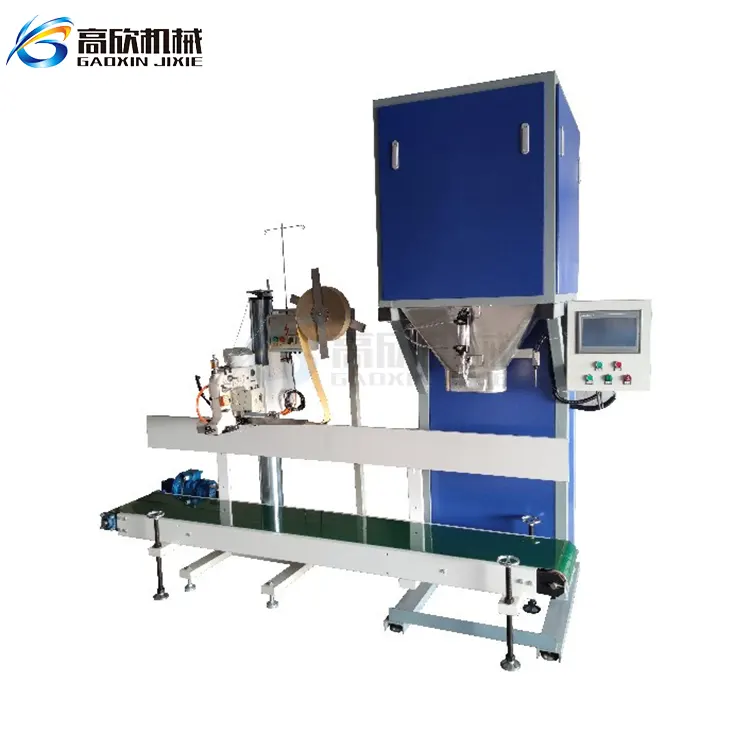
The Three‑Zone Space Model
To determine total area, break the installation into three distinct zones. Do not simply measure the machine base; that is only the beginning.
| Zone | Description | Typical Area (sq. ft.) |
|---|---|---|
| A – Machine Footprint | Base dimensions of the Quantitative Weighing Baler including the main press, hydraulic power unit, and control panel. | 120 – 220 |
| B – Service Corridor | Clearance for opening doors, removing shear pins, and replacing wear plates. Minimum 36 inches on both sides. | 80 – 150 |
| C – Infeed & Outfeed | Conveyor approach angle, bale ejection path, and strapping/wrapping station. | 150 – 300 |
| Total Recommended | Sum of A+B+C, plus a 15% contingency buffer. | 350 – 670 |
Example: A mid‑capacity Gaoxin GX‑500 model has a base of 8’ x 16’ (128 sq. ft.). With service lanes and a 12‑foot infeed conveyor, the practical requirement reaches 480 sq. ft.—more than triple the base area.
Critical Clearance Parameters That Engineers Ignore
Beyond square footage, three dimensional values dictate whether your Quantitative Weighing Baler operates reliably or suffers chronic jams:
-
Overhead height: Allow 18 inches above the tallest cylinder extension for crane‑assisted maintenance. For most Gaoxin units, that means a clear ceiling of at least 14.5 feet.
-
Front extraction distance: The bale pusher travels up to 6 feet. Keep this path entirely unobstructed—no storage racks, no toolboxes.
-
Rear access gap: The hydraulic tank and cooler are rear‑mounted. A 30‑inch minimum gap is mandatory for oil sampling and filter changes.
How to Calculate Your Exact Number (Step‑by‑Step)
Use this practical formula rather than guessing:
-
Obtain the machine’s L x W from the technical datasheet (include the motor starter cabinet).
-
Add 3 feet to each side that has a removable panel or lubrication point.
-
Add the infeed conveyor length (usually 8–14 feet) projected at the feed chute angle.
-
Add the bale discharge ramp (typically 5 feet beyond the platen).
-
Multiply the final L x W, then add 10–15% for pallet jack turning radius.
For a Gaoxin GX‑800 processing 8 tons/hour, this calculation yields 540 sq. ft. of dedicated space—comfortably fitting a 20’ x 27’ bay.
Space‑Saving Alternatives Without Sacrificing Accuracy
If your building is constrained, consider these proven configurations:
-
Right‑angle feed: Turn the conveyor 90° to the press, reducing linear length by up to 30%.
-
Elevated platform: Mount the hydraulic power pack on a mezzanine, reclaiming 25 sq. ft. at ground level.
-
Compact Gaoxin C‑series: Designed with an integrated control tower, these Quantitative Weighing Baler models reduce total footprint by 18% compared to conventional layouts.
Quantitative Weighing Baler FAQ – Common Questions from Real Facility Managers
Q1: Can I place my Quantitative Weighing Baler directly against a wall to save space?
A: We strongly advise against it. Even if the rear panel does not require daily opening, the hydraulic cooler needs cross‑ventilation, and the main cylinder tie‑rods must be accessible for torque inspection every 500 operating hours. Gaoxin’s service records show that machines with at least 32 inches of rear clearance experience 63% fewer hydraulic overheating issues. If space is extremely tight, install a ducted cooling system that vents externally—but still reserve 18 inches for emergency access.
Q2: How does the infeed conveyor length affect the overall floor space requirement?
A: The conveyor is not just a feeder; it determines how consistently material enters the charge box. A shorter conveyor (under 8 feet) may force operators to push material manually, which introduces weight variation and reduces the Quantitative Weighing Baler’s weighing accuracy by roughly 2–3%. Conversely, a 14‑foot inclined conveyor with a hopper adds 40–50 sq. ft. but improves bale weight consistency to within ±0.5%. For most Gaoxin installations, we recommend a 10‑foot conveyor as the optimal trade‑off between space and performance.
Q3: Do I need separate space for a bale strapping unit, or can it be integrated?
A: Fully integrated strapping heads are available on Gaoxin’s GX‑T series, adding only 8 inches to the overall depth. However, if you opt for a standalone automatic strapper, you must allocate an additional 4’ x 6’ station after the ejection ramp. Many operators underestimate the strapping cycle time—a standalone unit requires 8–12 seconds per bale, during which the bale must remain stationary. This means you also need buffer space for one finished bale to rest before removal. Our standard recommendation is to reserve 35 sq. ft. for strapping and wrap‑up, regardless of the model.
Real‑World Layout Comparison (Two Common Scenarios)
| Parameter | Scenario A – Tight Layout | Scenario B – Recommended Layout |
|---|---|---|
| Machine model (Gaoxin GX‑600) | 7’ x 14’ | 7’ x 14’ |
| Rear clearance | 18” | 36” |
| Side service gap | 24” (one side only) | 36” (both sides) |
| Conveyor length | 8’ (straight) | 12’ (inclined) |
| Strapping station | Shared aisle | Dedicated 4’ x 5’ |
| Total floor space | 340 sq. ft. | 510 sq. ft. |
| Daily bale output (8‑hour shift) | 42 bales | 58 bales |
| Weighing error (average) | ±1.8% | ±0.4% |
The data above clearly shows that adding 170 sq. ft. in Scenario B boosts productivity by 38% and cuts manual intervention—a direct return on the space investment.
Final Verification Checklist Before Ordering
-
□
Confirm door width and turning radius from delivery truck to installation point.
-
□
Measure overhead crane rail height—can it lift the press ram during overhaul?
-
□
Check floor flatness: Gaoxin requires ±1/8” over 10 feet for accurate load‑cell readings.
-
□
Plan cable trays and hydraulic hoses—they need floor channels or overhead bridges.
Make Your Space Work for You – Not Against You
Choosing the right Quantitative Weighing Baler is only half the decision; the other half is where and how you place it. A poorly sized footprint leads to rushed maintenance, inaccurate weighments, and unnecessary overtime. Gaoxin provides free 3D layout drawings based on your building’s actual dimensions—no guesswork, no hidden assumptions.
Contact us today with your bay size and target throughput. Our engineering team will return a customized floor‑plan proposal within 48 hours, complete with clearance animations and a cost‑benefit analysis of your space options. Reach out via the form on our website or call your regional Gaoxin representative directly—we are ready to help you fit precision weighing into your real‑world facility.