

How to Choose and Operate Bone Saw Machines Efficiently?
2026-01-05
Article Summary: Bone Saw Machines are essential equipment in meat processing industries, enabling precise cutting and processing of meat and bone products. This article explores the types, selection criteria, operation techniques, maintenance tips, and safety considerations of bone saw machines. Additionally, common questions are addressed to ensure optimal usage.
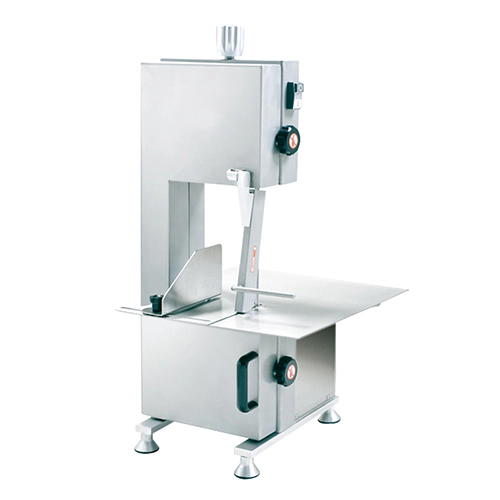
Table of Contents
- Introduction to Bone Saw Machines
- How to Select the Right Bone Saw Machine?
- How to Operate and Maintain Bone Saw Machines Safely?
- Common Questions About Bone Saw Machines
- Conclusion and Contact
Introduction to Bone Saw Machines
Bone Saw Machines are specialized equipment designed for cutting and processing bones and meat efficiently in commercial meat processing environments. They are widely used in butcheries, meat processing plants, and food production facilities. Bone saw machines combine precision, speed, and safety features to handle various types of meat, including beef, pork, and poultry.
The primary purpose of bone saw machines is to ensure uniform cuts and reduce manual labor. Modern machines vary in capacity, motor power, blade size, and safety mechanisms.
Key Specifications of Bone Saw Machines
| Parameter | Specification |
|---|---|
| Motor Power | 1.5 kW – 4 kW |
| Blade Speed | 1500 – 3000 RPM |
| Cutting Capacity | 200 – 500 mm |
| Voltage | 220V/380V |
| Material | Stainless steel frame and blade |
| Safety Features | Automatic shut-off, blade guards, non-slip base |
How to Select the Right Bone Saw Machine?
Choosing the appropriate bone saw machine depends on production requirements, type of meat, operational frequency, and workspace limitations. The following considerations can guide a suitable selection:
1. What Factors Determine the Best Bone Saw Machine for a Facility?
Factors include cutting capacity, motor strength, blade material, ease of maintenance, and safety standards. High-volume operations require machines with robust motors and larger cutting capacities.
2. How Does Blade Type Affect Performance?
Bone saw machines use different blade designs, such as straight-tooth, wavy-tooth, or serrated blades. Each blade type provides a unique cutting style, influencing speed, precision, and maintenance frequency.
3. How to Assess Machine Durability and Build Quality?
Machines built from stainless steel with reinforced frames ensure longevity. Inspecting motor quality, blade tension mechanisms, and safety interlocks is critical to avoid frequent repairs and downtime.
How to Operate and Maintain Bone Saw Machines Safely?
1. How to Ensure Safe Operation of Bone Saw Machines?
Operators must follow safety guidelines, including wearing protective gloves, keeping hands away from blades, and using pushers or guides. Machines should be turned off when cleaning or adjusting blades.
2. How to Maintain Optimal Blade Performance?
Blades must be cleaned, sharpened, and lubricated regularly. Frequent inspection for cracks or wear ensures consistent cutting performance and prevents accidents.
3. How to Perform Routine Maintenance Efficiently?
Maintenance schedules should include motor lubrication, belt tension checks, blade alignment, and sanitation procedures. Proper maintenance reduces downtime and extends machine life.
Common Questions About Bone Saw Machines
1. What types of bone saw machines are available?
Bone saw machines are generally classified into manual, semi-automatic, and fully automatic types. Manual machines require human effort to feed meat, semi-automatic machines assist feeding, and fully automatic models streamline the entire cutting process.
2. Can bone saw machines cut frozen meat?
Most industrial bone saw machines can cut frozen meat, but operators should ensure the blade is sharp and the machine is calibrated. Cutting frozen meat requires slower feed rates to prevent blade damage.
3. What safety precautions are essential when using bone saw machines?
Essential safety precautions include using blade guards, emergency stop buttons, non-slip mats, and protective gloves. Regular staff training on operating procedures minimizes the risk of accidents.
4. How to clean bone saw machines effectively?
Cleaning involves disassembling blades, washing all components with food-safe detergents, and sanitizing surfaces. Machines should be dried completely to prevent rusting, and cleaning schedules should follow industry hygiene standards.
Conclusion and Contact
Bone Saw Machines are indispensable in commercial meat processing for their efficiency, precision, and durability. Selecting the correct machine, maintaining it properly, and ensuring safe operation are key to maximizing productivity and longevity. SYBO provides high-quality bone saw machines designed to meet diverse operational needs, combining advanced features with safety compliance.
For further inquiries or to discuss your bone saw machine requirements, contact us today.