

How to Choose and Use Dust Proof Curtains for Industrial and Commercial Spaces?
2025-12-25
Summary: Dust Proof Curtains are a critical solution for maintaining clean and safe environments in industrial and commercial settings. This article explores their applications, selection criteria, installation methods, and maintenance practices. Detailed product specifications are included alongside frequently asked questions to guide buyers and users.
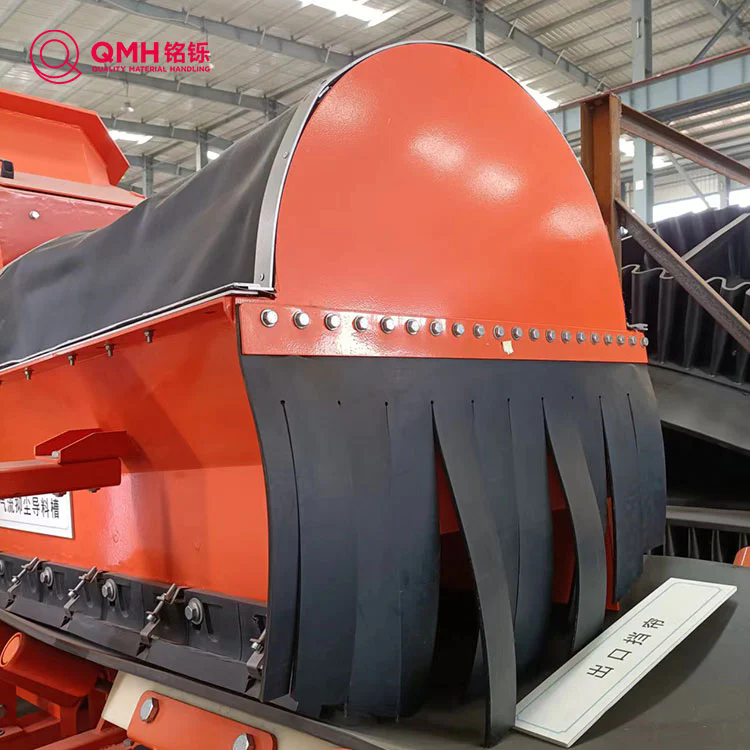
Table of Contents
- 1. Understanding Dust Proof Curtains and Their Applications
- 2. How to Choose the Right Dust Proof Curtain?
- 3. Installation and Maintenance of Dust Proof Curtains
- 4. Common Questions About Dust Proof Curtains
- 5. Conclusion and Brand Information
1. Understanding Dust Proof Curtains and Their Applications
Dust Proof Curtains are specialized barriers designed to prevent airborne particles, dust, and debris from spreading across industrial or commercial spaces. They are widely used in factories, warehouses, clean rooms, laboratories, and food processing areas. The primary objective is to enhance air quality, protect equipment, and improve operational safety. Dust Proof Curtains are constructed from durable, anti-static materials and can withstand harsh working conditions, ensuring long-term performance.
| Parameter | Specification |
|---|---|
| Material | Polyvinyl Chloride (PVC), polyethylene, anti-static reinforced fabric |
| Thickness | 0.3mm – 1.5mm |
| Temperature Resistance | -30°C to 80°C |
| Transparency | Transparent, Semi-Transparent, Opaque |
| Width Options | 0.8m – 2.0m per panel |
| Height Options | 2m – 6m standard, customizable |
| Fire Retardant | Optional (meets ISO 3795/ASTM D635 standards) |
| Application | Factories, warehouses, cleanrooms, food processing, pharmaceutical labs |
The selection of a Dust Proof Curtain depends on the specific environmental conditions, desired visibility, and required protection level. Properly chosen curtains minimize maintenance costs, enhance productivity, and provide a safer workspace.
2. How to Choose the Right Dust Proof Curtain?
Choosing the ideal Dust Proof Curtain requires understanding the operational needs, environmental conditions, and compliance requirements. Below are critical factors to consider:
2.1 Material and Thickness
The material must resist tearing and maintain flexibility under frequent movement. PVC and reinforced polyethylene are preferred for high durability. Thickness impacts durability and dust containment: thicker panels offer better protection but may reduce transparency.
2.2 Environmental Compatibility
Temperature extremes, humidity, and chemical exposure should guide material selection. Anti-static and fire-retardant options are crucial for certain industrial processes.
2.3 Panel Size and Installation Type
Panels can be modular, sliding, or fixed. Modular panels allow for easier cleaning and replacement, while sliding systems provide flexibility for frequent access.
2.4 Compliance and Certification
For industrial and food processing applications, Dust Proof Curtains must comply with ISO, OSHA, or other local standards for fire resistance, anti-static performance, and chemical safety.
3. Installation and Maintenance of Dust Proof Curtains
Proper installation ensures maximum effectiveness of Dust Proof Curtains. Steps include:
3.1 Installation Guidelines
- Measure the area precisely to avoid gaps.
- Ensure support rails are level and securely mounted.
- Install panels with overlaps to prevent dust leakage.
- Use anti-static and fire-retardant treatments where required.
3.2 Maintenance Best Practices
Regular cleaning and inspection extend curtain lifespan. Recommendations:
- Wipe panels with mild detergent; avoid harsh chemicals.
- Check for tears or abrasions and repair promptly.
- Ensure rails and fasteners are free from dust accumulation.
- Replace worn panels without delay to maintain air containment efficiency.
4. Common Questions About Dust Proof Curtains
Q1: How long do Dust Proof Curtains typically last?
A1: The lifespan depends on material quality, thickness, and environmental conditions. High-quality PVC or reinforced fabric panels last 5-10 years with proper maintenance.
Q2: Can Dust Proof Curtains be used in high-temperature environments?
A2: Yes, specific materials are engineered to withstand temperatures ranging from -30°C to 80°C. For extreme heat or chemical exposure, specialized fire-retardant and chemical-resistant variants are recommended.
Q3: Are Dust Proof Curtains effective for both industrial and commercial settings?
A3: Absolutely. They prevent dust and particulate spread, improve indoor air quality, and protect equipment in factories, warehouses, labs, and commercial kitchens.
Q4: How do Dust Proof Curtains affect workflow?
A4: Properly installed modular or sliding curtains maintain operational flexibility, allowing workers and machinery to move efficiently while still containing dust.
Q5: How can anti-static Dust Proof Curtains benefit electronics or sensitive equipment areas?
A5: Anti-static curtains prevent electrostatic discharge, reducing the risk of damage to sensitive electronics, reducing maintenance costs, and ensuring safer operation.
5. Conclusion and Brand Information
Dust Proof Curtains are indispensable in industrial and commercial spaces where air cleanliness, safety, and equipment protection are priorities. Selecting the right material, size, and installation method ensures maximum performance. Regular maintenance further prolongs the product lifespan and maintains operational efficiency. Leading brands, such as QMH, provide high-quality, customizable Dust Proof Curtains for diverse applications. For inquiries or to request a customized solution, contact us today.