

How to Maintain a Sealed Heavy Stone Spiral Sand Washer for Long-Term Performance
2026-09-28
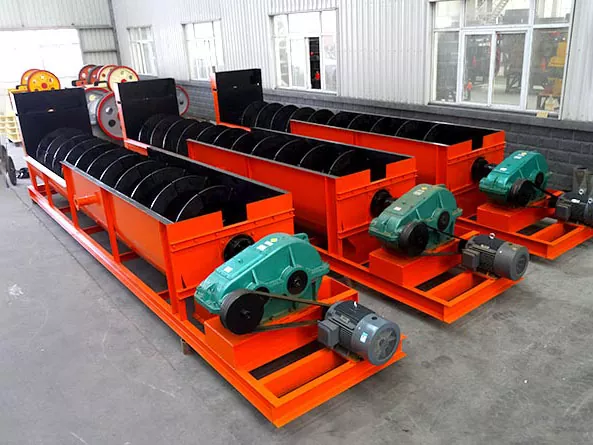
A Sealed Heavy Stone Spiral Sand Washer is a significant investment for any aggregate processing or mining operation. To protect that investment, EPIC has developed a maintenance framework that minimizes downtime, extends equipment lifespan, and sustains peak washing efficiency. The following guide outlines practical, field-tested procedures for keeping your unit in optimal condition year after year.
Daily Inspection Checklist
Routine checks take only minutes but prevent the majority of premature failures.
| Checkpoint | Action | Frequency |
|---|---|---|
| Seal assembly | Inspect for leakage, wear, or grit intrusion | Every shift |
| Spiral blades | Look for cracking, bending, or excessive wear | Every shift |
| Water supply lines | Confirm pressure and flow rates | Every shift |
| Drive motor | Listen for abnormal noise, check temperature | Every shift |
| Discharge chute | Clear blockages and buildup | Every shift |
Weekly and Monthly Maintenance Tasks
EPIC recommends a tiered schedule to balance productivity with equipment care.
-
Weekly tasks
-
Lubricate bearings and drive components according to the manual.
-
Tighten bolts on the spiral shaft and screen panels.
-
Flush the seal housing to remove accumulated fines.
-
-
Monthly tasks
-
Examine the Sealed Heavy Stone Spiral Sand Washer seal system for elasticity loss.
-
Measure spiral blade thickness and compare against wear limits.
-
Inspect the reducer oil level and top up if necessary.
-
Test the electrical control panel for fault indicators.
-
-
Quarterly tasks
-
Replace worn seal components before leakage begins.
-
Perform a full alignment check on the drive train.
-
Review water recycling efficiency and adjust as needed.
-
Common Wear Points and Solutions
| Component | Typical Issue | Recommended Solution |
|---|---|---|
| Spiral blades | Abrasion from stone content | Replace in sets to maintain balance |
| Sealing rings | Hardening or cracking | Use EPIC genuine seal kits |
| Bearings | Contamination or fatigue | Re-grease or replace promptly |
| Screen mesh | Clogging or tearing | Clean weekly, replace when damaged |
The Role of Proper Operation
Maintenance begins with correct operation. Feeding material at a consistent rate, avoiding overload, and maintaining adequate water pressure all reduce stress on the Sealed Heavy Stone Spiral Sand Washer. Operators trained by EPIC learn to recognize early warning signs such as vibration changes, unusual noise, or reduced throughput, allowing corrective action before major damage occurs.
Sealed Heavy Stone Spiral Sand Washer FAQ
Q: How often should the seal system be replaced on a Sealed Heavy Stone Spiral Sand Washer?
A: Seal replacement depends on abrasive content and operating hours, but most units benefit from inspection every 500 hours and replacement every 2,000 to 3,000 hours. EPIC seal kits are designed for extended service intervals when proper flushing is maintained.
Q: What causes excessive wear on the spiral blades of a Sealed Heavy Stone Spiral Sand Washer?
A: Excessive wear typically results from oversized feed material, insufficient water flow, or prolonged operation beyond rated capacity. Maintaining correct feed size and water pressure, along with regular blade thickness measurement, significantly extends blade life.
Q: Can a Sealed Heavy Stone Spiral Sand Washer be operated in winter conditions?
A: Yes, provided freeze protection is in place. Drain water lines after shutdown, use heated enclosures where necessary, and inspect seals for ice damage before restarting. EPIC offers cold-weather configuration options for demanding climates.
Long-Term Performance Summary
Consistent maintenance delivers measurable returns: lower repair costs, higher availability, and stable sand quality. By following a structured schedule and using genuine EPIC components, operators protect the performance of their Sealed Heavy Stone Spiral Sand Washer for many years.
Contact us today to request a customized maintenance plan, genuine replacement parts, or technical support from the EPIC service team.