

How to Select and Operate a Machining Center for Precision Manufacturing
2026-06-23
Abstract
A machining center is a core piece of modern CNC manufacturing infrastructure, widely used for high-precision milling, drilling, tapping, and multi-axis machining operations. This article explains how machining centers work, the different types available, key selection criteria, operational considerations, and maintenance strategies. It is designed to help engineers, procurement teams, and production managers solve real-world challenges such as accuracy instability, low efficiency, tooling wear, and process inconsistency. By the end, readers will have a structured understanding of how to choose and operate a machining center that matches production goals and long-term cost efficiency.
━━━━━━━━━━━━━━━━━━━━━━━━━━━━━━━━━━
Table of Contents
- 1. Introduction
- 2. What is a Machining Center
- 3. Types of Machining Centers
- 4. Key Components Explained
- 5. Core Benefits in Manufacturing
- 6. How to Choose the Right Machining Center
- 7. Industrial Applications
- 8. Maintenance and Operational Best Practices
- 9. Common Problems and Practical Solutions
- 10. Conclusion
- 11. FAQ
━━━━━━━━━━━━━━━━━━━━━━━━━━━━━━━━━━
1. Introduction
A machining center plays a decisive role in precision manufacturing environments where repeatability, accuracy, and efficiency directly affect production profitability. Unlike conventional machine tools, a machining center integrates multiple processes into a single setup, reducing human intervention and minimizing cumulative tolerance errors. However, many manufacturers face recurring issues such as inconsistent dimensional accuracy, long setup times, tool wear unpredictability, and poor machine utilization rates. These challenges often stem from improper machine selection or inadequate understanding of operational parameters. This article provides a structured and technical breakdown of machining centers, helping decision-makers align equipment capabilities with production requirements.━━━━━━━━━━━━━━━━━━━━━━━━━━━━━━━━━━
2. What is a Machining Center
A machining center is an advanced CNC (Computer Numerical Control) machine tool capable of performing multiple machining operations such as milling, drilling, tapping, boring, and contouring without manual repositioning of the workpiece. Key characteristics include:- Automated tool changing system (ATC)
- Multi-axis movement capability
- High spindle speed and precision control
- Integrated CNC programming system
━━━━━━━━━━━━━━━━━━━━━━━━━━━━━━━━━━
3. Types of Machining Centers
| Type | Structure | Main Advantage | Typical Use |
|---|---|---|---|
| Vertical Machining Center (VMC) | Spindle vertically oriented | Easy operation, cost-effective | Mold making, general parts |
| Horizontal Machining Center (HMC) | Spindle horizontally oriented | Better chip removal, higher efficiency | Mass production components |
| 5-Axis Machining Center | Multi-axis simultaneous motion | Complex geometry machining | Aerospace, medical parts |
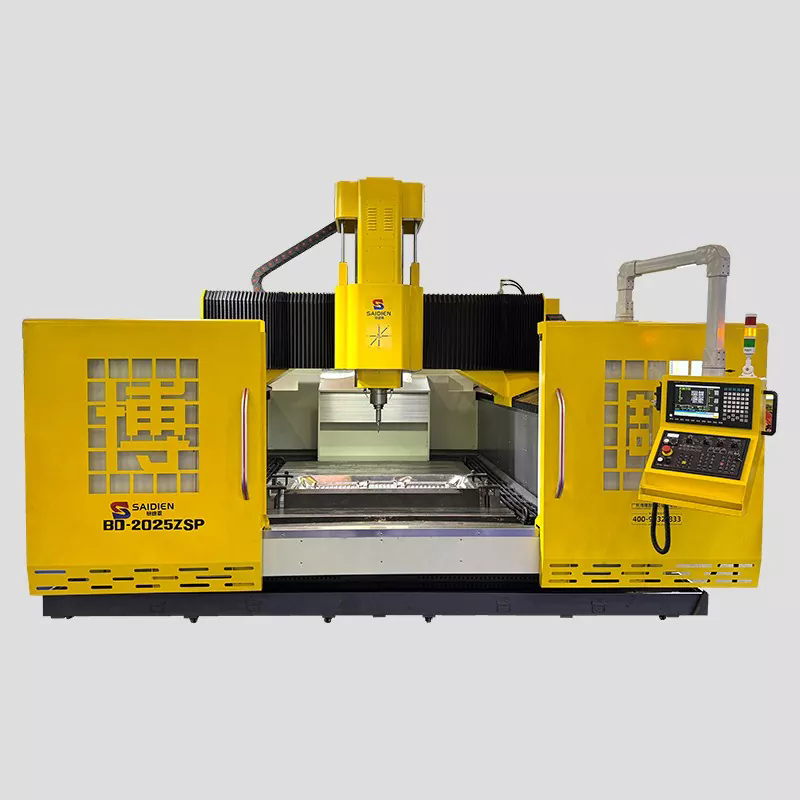
| Gantry Machining Center | Bridge-type structure | Large workpiece capacity | Heavy industry, automotive molds |
━━━━━━━━━━━━━━━━━━━━━━━━━━━━━━━━━━
4. Key Components Explained
A machining center integrates several precision systems:- Spindle System: The core rotating unit responsible for cutting tool motion and torque delivery.
- CNC Controller: Executes programmed instructions with high positional accuracy.
- Tool Magazine: Stores multiple tools for automatic tool changes.
- Worktable: Supports and positions the workpiece securely.
- Linear Guides: Ensure smooth, accurate axis movement.
- Cooling System: Prevents thermal deformation and improves tool life.
━━━━━━━━━━━━━━━━━━━━━━━━━━━━━━━━━━
5. Core Benefits in Manufacturing
Machining centers deliver several operational advantages:- Reduced setup time due to multi-operation capability
- Improved dimensional accuracy through CNC automation
- Higher productivity with continuous machining cycles
- Lower labor dependency
- Enhanced repeatability for mass production
━━━━━━━━━━━━━━━━━━━━━━━━━━━━━━━━━━
6. How to Choose the Right Machining Center
Selecting the correct machining center requires evaluating both technical and production constraints. Key factors include:- Workpiece Material: Hard metals require higher spindle torque and rigidity.
- Production Volume: High-volume production favors horizontal or automated systems.
- Part Complexity: Complex geometries require 5-axis capability.
- Precision Requirements: Tight tolerances demand high-end linear guides and thermal stability systems.
- Budget Constraints: Balance initial investment with long-term operational cost.
━━━━━━━━━━━━━━━━━━━━━━━━━━━━━━━━━━
7. Industrial Applications
Machining centers are widely used across industries:- Aerospace component manufacturing
- Automotive engine and transmission parts
- Medical implants and surgical instruments
- Precision molds and dies
- Electronics housings and structural frames
━━━━━━━━━━━━━━━━━━━━━━━━━━━━━━━━━━
8. Maintenance and Operational Best Practices
Proper maintenance ensures long-term accuracy and machine reliability:- Regular spindle lubrication and inspection
- Tool holder cleaning to prevent runout errors
- Calibration of axis movement accuracy
- Coolant system monitoring and replacement
- Vibration and thermal drift checks
━━━━━━━━━━━━━━━━━━━━━━━━━━━━━━━━━━
9. Common Problems and Practical Solutions
| Problem | Possible Cause | Solution |
|---|---|---|
| Poor surface finish | Tool wear or vibration | Replace tools, check spindle balance |
| Dimensional inaccuracy | Thermal deformation | Improve cooling and recalibrate machine |
| Tool breakage | Incorrect cutting parameters | Optimize feed rate and spindle speed |
| Low productivity | Improper machine selection | Reassess production requirements |
━━━━━━━━━━━━━━━━━━━━━━━━━━━━━━━━━━
10. Conclusion
A machining center is not just a machine tool but a production optimization system that determines the efficiency, accuracy, and scalability of modern manufacturing operations. Proper selection, operation, and maintenance are critical to achieving stable production output and minimizing long-term operational costs. Manufacturers that align machine capability with production requirements gain a significant competitive advantage in precision, speed, and cost control. For advanced CNC solutions and customized machining center configurations, Bodiao provides engineered equipment designed to meet industrial production demands. To explore technical specifications or request tailored solutions, Bodiao contact us for professional support and consultation.━━━━━━━━━━━━━━━━━━━━━━━━━━━━━━━━━━
11. FAQ
Q1: What is the main advantage of a machining center over conventional machines?It integrates multiple machining operations into one setup, reducing errors and improving efficiency.
Q2: How many axes does a machining center typically have?
Common configurations include 3-axis, 4-axis, and 5-axis systems depending on complexity requirements.
Q3: What industries benefit most from machining centers?
Aerospace, automotive, medical, and mold manufacturing industries rely heavily on machining centers.
Q4: How often should maintenance be performed?
Basic maintenance should be done daily, with deeper inspection cycles scheduled weekly or monthly depending on usage intensity.
Q5: Can machining centers improve production efficiency?
Yes, they significantly reduce setup time, increase automation, and improve consistency across production batches.
Previous:No News