

How to Select the Right Tube Inner Thread Forming Machine for Your Production
2026-09-24
Choosing the correct Tube Inner Thread Forming Machine is one of the most consequential equipment decisions a tube and pipe manufacturer can make. The right machine raises thread quality, extends tool life, and stabilizes output, while the wrong one creates scrap, downtime, and hidden costs that compound over years. FangRong has engineered tube threading solutions for demanding industrial environments, and this guide distills the selection criteria that matter most when specifying a Tube Inner Thread Forming Machine for your line.
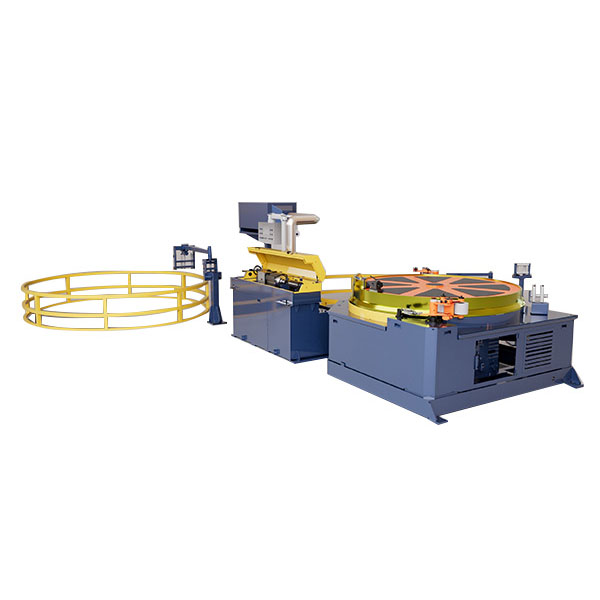
Start With the Application, Not the Price
The most common mistake buyers make is comparing quotations before defining the application. Thread form, tube material, wall thickness, and production volume determine nearly every specification downstream.
| Selection Factor | What to Define | Why It Matters |
|---|---|---|
| Tube material | Carbon steel, stainless, copper, aluminum, alloy | Determines tooling grade and forming force |
| Wall thickness | Thin wall vs. heavy wall | Thin walls risk deformation; heavy walls demand higher torque |
| Thread specification | Metric, UNC, UNF, NPT, BSP, custom | Governs spindle speed and feed parameters |
| Tube diameter range | Min. to max. OD and ID | Defines machine size and chuck capacity |
| Production volume | Pieces per shift, per year | Drives automation level and cycle time targets |
| Thread depth and length | Full thread vs. partial | Affects forming head design and stroke |
Evaluate the Forming Method
A Tube Inner Thread Forming Machine typically uses one of two approaches: cold forming (fluteless, chipless) or cutting-based internal threading. Cold forming displaces material rather than removing it, producing stronger grain flow and no chips, which is ideal for high-volume production and clean environments. Cutting methods remain useful for hard or brittle materials where forming is impractical. FangRong offers configurations for both paths so the machine matches the metallurgy rather than forcing the metallurgy to match the machine.
Key Technical Specifications to Compare
When reviewing competing Tube Inner Thread Forming Machine options, request these data points in writing:
-
Spindle speed range (RPM) and torque curve at low speed
-
Forming force capacity in relation to your heaviest wall section
-
Positioning accuracy and repeatability (typically stated in mm or microns)
-
Tooling interface and changeover time between thread sizes
-
Control system — PLC, CNC, or servo-driven multi-axis
-
Cooling and lubrication requirements and consumable cost
-
Cycle time at your target thread depth, verified with a sample
Automation and Integration
Production scale dictates automation level. Manual loading suits low-volume, high-variety shops. For continuous output, look for automatic feeding, in-line gauging, and rejection handling. Confirm the Tube Inner Thread Forming Machine communicates over the protocols your plant already uses, such as Modbus, Ethernet/IP, or Profinet, and that it can be embedded into an existing cell without rebuilding the layout.
Service, Spares, and Total Cost of Ownership
Purchase price is only the entry ticket. Ask each supplier for:
-
Tooling life data under comparable materials
-
Spare parts lead times and local stock availability
-
Installation, training, and commissioning scope
-
Warranty terms and response time commitments
-
Reference customers running similar tube profiles
FangRong supports installations with documented commissioning procedures and long-term tooling programs, which reduces the risk of unplanned stoppages.
Frequently Asked Questions
Q: What is a Tube Inner Thread Forming Machine used for?
A: A Tube Inner Thread Forming Machine creates internal threads inside tubular components by cold forming or cutting. It is used in oil and gas fittings, heat exchangers, hydraulic cylinders, structural tubing, and plumbing connectors, where internal threads must meet defined pitch, depth, and strength standards.
Q: How do I choose between cold forming and cutting for internal threads?
A: Cold forming suits ductile materials and high-volume runs because it produces chipless, stronger threads with better surface finish. Cutting suits hard, brittle, or thin-wall parts where forming force could distort the tube. The decision should follow material testing, not preference.
Q: What factors most affect the price of a Tube Inner Thread Forming Machine?
A: Price is driven by tube diameter capacity, automation level, control system, forming force, number of axes, tooling package, and after-sales support. A machine sized precisely to your largest tube and highest volume typically delivers the best cost per threaded part.
Conclusion
Selecting the right Tube Inner Thread Forming Machine is a structured engineering exercise: define the application, match the forming method, verify specifications, plan integration, and weigh lifetime support against purchase price. Working with an experienced partner shortens that path considerably. Contact us at FangRong today to discuss your tube dimensions, thread specifications, and production targets, and receive a tailored Tube Inner Thread Forming Machine recommendation with verified cycle times and tooling guidance.