

Is an Automatic Window Patching Machine Worth the Investment for Small Print Shops
2026-06-23
For small print shops, every equipment purchase demands careful scrutiny. The Automatic Window Patching Machine often appears as a tempting but costly addition. Is this specialized equipment a genuine growth engine, or an expensive distraction? This analysis, grounded in real-world production data and shop-floor realities, helps you decide. At NEW STAR, we have observed that the right machinery transforms small operations, but the choice must align with your specific order mix and volume.
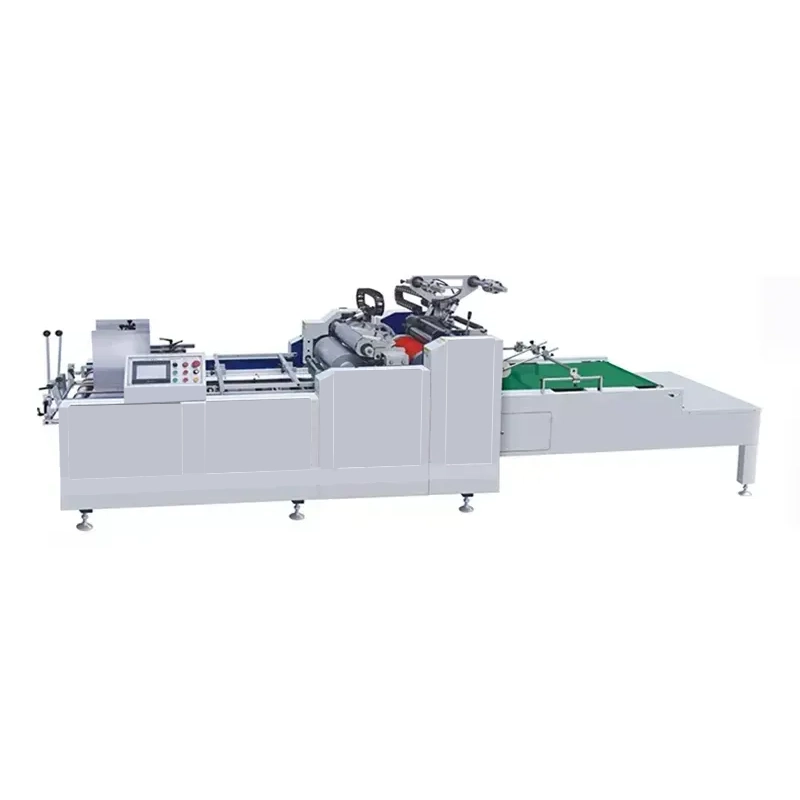
The Financial Reality: Cost vs. Throughput
The primary hesitation for small shops is the initial capital outlay. However, the calculation extends beyond the purchase price. An Automatic Window Patching Machine replaces a manual process that is notoriously slow, inconsistent, and labor-intensive. To illustrate the financial impact, consider a typical small shop processing 5,000 patched boxes per week.
| Factor | Manual Patching | Automatic Window Patching Machine (NEW STAR) |
|---|---|---|
| Output per Hour | 150 – 250 boxes | 1,200 – 1,800 boxes |
| Direct Labor Cost (per 1,000 boxes) | $45 – $60 | $8 – $12 |
| Material Waste Rate | 5% – 8% (misalignment) | 1% – 2% (precision registration) |
| Reject/Redo Rate | High (operator fatigue) | Very Low (consistent tension control) |
| Annual Capacity (single shift) | ~65,000 boxes | ~450,000+ boxes |
The productivity leap is undeniable. For a small shop with steady orders for pharmaceutical, cosmetic, or food windowed boxes, the Automatic Window Patching Machine often pays for itself within 12 to 18 months through labor savings and reduced material waste alone.
Quality and Consistency: The Competitive Edge
Small print shops compete on service and quality, not just price. Manual patching introduces variables: adhesive streaks, crooked film placement, and inconsistent tension. These defects damage client relationships. A modern Automatic Window Patching Machine from NEW STAR integrates servo-driven registration and precise glue systems that ensure every patch is identical. This consistency allows small shops to bid on higher-margin jobs previously reserved for large converters. The machine does not tire, does not rush, and does not forget to check alignment.
Space and Skill Requirements
Small shops often worry about floor space and technical expertise. Compact models now occupy roughly 8–10 square meters, comparable to a large platen die-cutter. Operation requires basic mechanical aptitude, not an engineering degree. NEW STAR provides on-site training and remote diagnostics, making the transition smooth. The question shifts from "Can we operate it?" to "Can we afford not to, given our growth targets?"
Operational Flexibility
One common myth is that automation locks you into long runs. Modern Automatic Window Patching Machines feature quick-change tooling, enabling job changeovers in under 15 minutes. This suits small shops running diverse orders—from 500 custom gift boxes to 10,000 standard retail units. The machine becomes a flexible partner, not a rigid bottleneck.
Frequently Asked Questions About the Automatic Window Patching Machine
Q1: What is the typical payback period for an Automatic Window Patching Machine in a small print shop with moderate order volumes?
A1: For a shop processing 8,000–10,000 windowed boxes weekly, the payback period generally ranges from 14 to 20 months. This calculation includes direct labor replacement (typically 2–3 manual workers), material savings from reduced waste (3–5% improvement), and the ability to accept rush orders without overtime premiums. However, if your volume drops below 3,000 boxes per week, the payback extends beyond 30 months, making leasing or jobbing-out a smarter interim strategy. NEW STAR offers a customized ROI calculator that factors in your local labor rates, film costs, and typical order sizes to give a precise estimate.
Q2: Can an Automatic Window Patching Machine handle different film types (PVC, PET, PLA) and various board thicknesses without frequent mechanical adjustments?
A2: Yes, but with conditions. High-end models, including those from NEW STAR, feature automatic tension compensation and heated/ultrasonic sealing options that adapt to film stiffness and thickness. For board thickness ranging from 250gsm to 600gsm, the feed mechanism adjusts via a digital dial. However, switching from a thin PET (50-micron) to a thick PLA (120-micron) does require changing the sealing anvil and recalibrating the temperature—a 5 to 8-minute procedure. For shops running frequent material changes, we recommend the quick-release tooling package, which reduces changeover time by 40%. Always verify your film supplier’s specifications against the machine’s compatible range before purchase.
Q3: What maintenance schedule does an Automatic Window Patching Machine demand, and can our in-house technician handle it?
A3: A structured maintenance plan is essential. Daily tasks (5 minutes) include cleaning glue nozzles and wiping sensor lenses. Weekly tasks (30 minutes) involve lubricating cam followers and checking belt tension. Monthly tasks (2 hours) require inspecting registration cameras and calibrating glue pressure. Most mechanical and electrical components are modular; your in-house technician, with basic electrical and mechanical skills, can perform 90% of these tasks using the provided manual and video guides. The only tasks requiring NEW STAR’s certified engineers are annual servo-motor alignment and firmware updates. We offer a preventive maintenance contract that covers these critical checks remotely, minimizing downtime.
The Verdict for Small Print Shops
The Automatic Window Patching Machine is not a universal solution. It is a strategic investment for small shops that:
-
Have existing window-patching orders or a clear sales pipeline for such work.
-
Face labor shortages or high turnover in manual patching roles.
-
Compete on quality and lead time, not just the lowest price.
-
Plan to grow their value-added packaging offerings.
For shops without a stable windowed-box customer base, the machine becomes an underutilized asset. In that case, consider building a partnership with NEW STAR through our flexible financing or trial-lease programs, which de-risk the initial commitment.
Take the Next Step with NEW STAR
Every small shop’s financial structure and order profile are unique. A generic "yes" or "no" cannot replace a data-driven assessment. NEW STAR offers a complimentary production audit where we analyze your current patching costs, waste rates, and capacity gaps. We then simulate your first-year savings using your actual order history.
Contact us today to schedule your no-obligation audit and receive a tailored ROI projection. Our team will walk you through machine specifications, financing options, and installation timelines. Let NEW STAR help you turn your patching bottleneck into a profitable advantage—reach out through our website or call your regional distributor now. Your next growth phase starts with a conversation.