

Should a Rigid Box Machine Be My Next Upgrade?
2025-11-26
I run premium packaging projects where perfect corners and consistent wrap edges decide the margin. Over the years I tried manual and semi-auto setups, then I spent time with the team at NEW STAR and finally understood how a modern Rigid Box Machine should be evaluated in the real world. Instead of chasing headline speed, I now focus on usable output, changeover time, and the cost per sellable box. In this post I’m sharing what I check before I invest, using everyday language and on-floor experience.
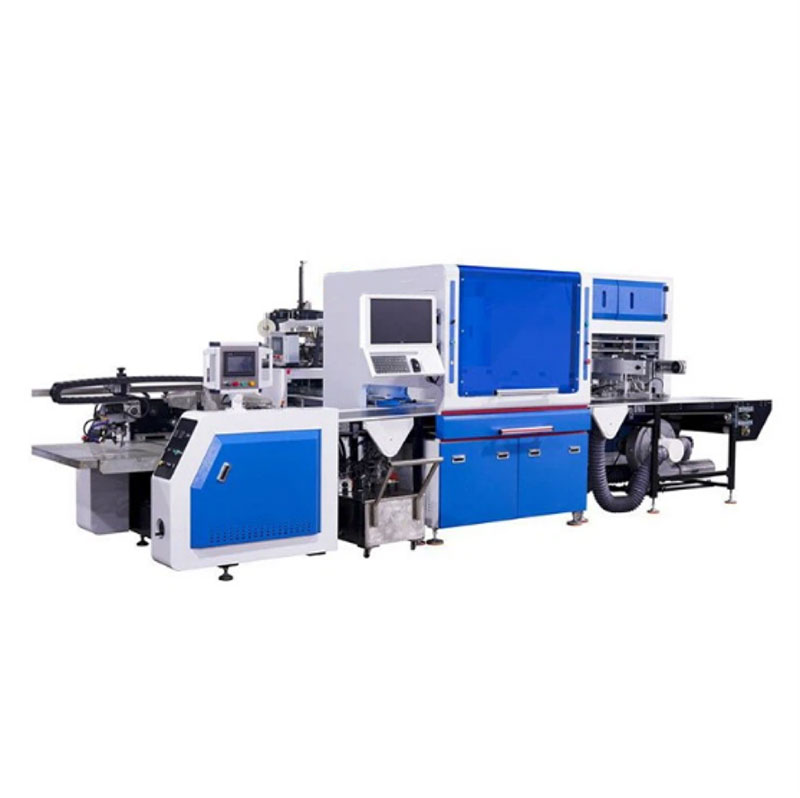
What pain points push me toward a Rigid Box Machine?
- Misalignment that shows up as uneven turn-ins or skewed lids when tolerances stack up across stations
- Glue bleed or blistering on fancy papers that ruins a premium finish
- Slow, tool-heavy changeovers that eat entire shifts when I switch sizes
- Operator-dependent quality where the night shift can’t match the day shift
- Corner cracks on tight-grain papers and laminated boards when pressure isn’t controlled
- Scrap spikes on textured wraps where vacuum and nip forces aren’t tuned
How do I judge throughput and quality without hype?
- Usable output per hour measured as “good boxes” after inspection, not theoretical CPM
- First-pass yield on my own boards, papers, and glues
- Alignment tolerance at the positioning station in millimeters across the whole sheet
- Changeover duration from the last good box of Size A to the first good box of Size B
- Box range for height, depth, and wall thickness without special tooling
- Adhesive flexibility (hot-melt, water-based, PUR options) and cleanup time
Why does vision and servo control matter on a Rigid Box Machine?
When I benchmark lines, vision-guided positioning and closed-loop servo drives are the two features that reduce rework the most. Cameras see sheet fiducials and auto-correct drift; servos keep wrap pressure and travel distances consistent even as materials vary. This is the difference between “it runs at the demo” and “it runs at 2 a.m. with textured paper and real moisture swings.”
Which specs actually shift my cost per box?
| Production challenge | Metric I watch | How a modern Rigid Box Machine helps | Impact on margin |
|---|---|---|---|
| Skewed lids and visible seams | ± alignment in mm across sheet | Vision positioning with auto compensation | Higher first-pass yield and fewer rewraps |
| Glue stains on specialty paper | Glue weight stability and bead width | Servo glue heads with recipe control | Cleaner finish and less scrap |
| Long changeovers between sizes | Minutes from last good to first good | Quick-release tooling and saved recipes | More SKUs per shift without overtime |
| Corner cracking on rigid boards | Corner fold pressure and dwell | Programmable pressure profiles | Premium corners on difficult stocks |
| Operator variability | Training time to stable output | Guided HMI with visual prompts | Consistent quality across shifts |
What configuration choices do I weigh before ordering a Rigid Box Machine?
- Feeding style for greyboard and wrap sheets based on my formats and textures
- Glue system selection for my substrates and cleanup preferences
- Camera count and lighting for dark papers, foils, and embossed finishes
- Quick-change corner tools sized for my most common wall heights
- Recipe storage that locks speeds, pressures, glue weights, and vacuum levels
- Remote diagnostics for faster support and less downtime
- Safety and guarding that still allow quick access for maintenance
How do I benchmark speed claims so they reflect my reality?
- Define my actual SKU mix with sizes, papers, and daily volumes
- Run factory trials with my materials and film the process end to end
- Record first-pass yield instead of total pieces
- Include setup and cleanup time in the hourly calculation
- Inspect corners, wrap tension, and glue lines under the finishes I sell
- Confirm staffing assumptions for each station and shift
What does a simple day plan look like on a Rigid Box Machine?
If my target is boutique gift boxes, I might schedule one long run before lunch and two shorter SKUs after. With realistic changeovers and a conservative yield, I can hit daily goals while protecting finish quality. The key is locking recipes by SKU so the first box after each changeover is already in spec.
Why do I prefer a Rigid Box Machine over adding more labor?
- Quality is consistent across shifts and seasons
- Complex wraps and special papers become repeatable jobs
- Training is faster with guided HMIs and saved recipes
- Compliance and safety improve as manual handling drops
- Cost per good box becomes predictable for quoting
How do I translate this into my next step?
If you want a straight, numbers-first discussion, I’m happy to walk through your sizes, papers, and volumes and map the right station count. If you prefer to see a line in motion, request a sample run and bring your own materials. When I evaluated options, a modern Rigid Box Machine gave me cleaner finishes, quicker changeovers, and more reliable yield—exactly what premium packaging needs. Contact us with your size range, wrap materials, and daily output target. I’ll help you turn requirements into a clear, competitive proposal.