

The role of the hot fusion unit in the HDPE pipe welding machine
2025-06-23
High-Density Polyethylene (HDPE) pipes are widely used in industries like water distribution, sewage systems, and gas transportation due to their durability, resistance to corrosion, and cost-effectiveness. The joining of HDPE pipes requires precise and reliable welding techniques to ensure strong and leak-proof connections. One of the key components of an HDPE pipe welding machine is the Hot Fusion Unit, which plays a crucial role in creating these durable joints. This essay explores the significance of the hot fusion unit in HDPE pipe welding, its working principle, and its impact on the overall pipe welding process.
What is a Hot Fusion Unit?
A hot fusion unit is an essential component of the HDPE pipe welding machine designed to heat and fuse the ends of two HDPE pipe sections. The process involves heating the pipe ends to a specific temperature, followed by applying controlled pressure to fuse them together. The fusion unit typically consists of a heating plate, hydraulic system, temperature controls, and fusion clamps, all of which work in coordination to ensure precise, high-quality welds.
Key Functions of the Hot Fusion Unit
Heating the Pipe Ends:
The primary role of the hot fusion unit is to provide controlled heat to the ends of the HDPE pipes. The heating plate within the unit heats both the pipe and the matching socket to a specific temperature, usually around 200°C (392°F), depending on the pipe material and size. This ensures that the molecular structure of the polyethylene softens sufficiently for the fusion process to occur.
Ensuring Even Heat Distribution:
The fusion unit must provide uniform heat across the pipe ends to prevent weak points or inconsistencies in the weld. Uneven heating can lead to weak joints, which could eventually fail under pressure or stress. Advanced hot fusion units are equipped with features like temperature sensors to ensure that the heat is applied evenly and remains within the optimal range.
Pressure Application:
Once the pipes are heated, the hot fusion unit uses hydraulic or mechanical pressure to bring the heated ends together. This pressure forces the molten surfaces of the pipes to fuse, forming a homogeneous bond. The applied pressure is critical in achieving a joint that is as strong as, or stronger than, the pipe material itself. Too little pressure can result in a weak connection, while excessive pressure may cause deformation or reduce the integrity of the weld.
Maintaining Controlled Timing:
The hot fusion process requires precise timing to ensure that the pipe ends remain at the correct temperature and pressure for the right amount of time. The fusion unit typically has built-in timers that automatically control the heating, pressing, and cooling stages, making the welding process more consistent and reducing the risk of human error.
Cooling the Welded Joint:
After the fusion is complete, the hot fusion unit allows the joint to cool under controlled pressure. Cooling is essential to ensure that the welded joint retains its shape and strength. Some fusion units are equipped with cooling clamps or a cooling mechanism to reduce the cooling time and enhance the overall efficiency of the welding process.
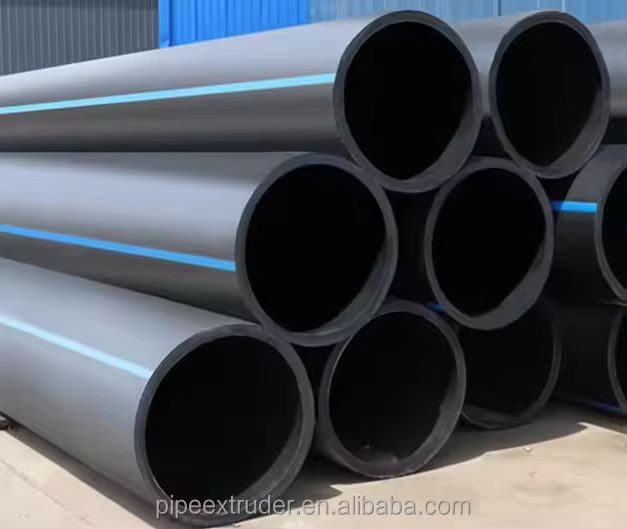
Advantages of Using a Hot Fusion Unit
Strong, Durable Joints:
The most significant benefit of using a hot fusion unit is the creation of strong, reliable joints. When performed correctly, the fusion process forms a joint that is as strong as the pipe itself, ensuring the system's integrity over time. This is particularly important in critical applications like gas or water transportation.
Leak-Proof Connections:
HDPE fusion welding creates a continuous, leak-proof connection, eliminating the need for additional sealing materials or mechanical fasteners. This feature is especially advantageous for HDPE pipes used in high-pressure systems, where even minor leaks can lead to significant issues.
Efficiency and Speed:
Hot fusion units are designed to work quickly and efficiently. The automated nature of the process minimizes the time spent on each weld, allowing for faster installation of piping systems. Furthermore, the consistency provided by the hot fusion unit reduces the chances of human error, improving the overall quality of the welds.
Versatility:
Hot fusion units are versatile and can be used to weld a wide range of HDPE pipe sizes and thicknesses. The ability to adjust parameters such as temperature, pressure, and timing makes the fusion unit adaptable to various welding applications.
Cost-Effective:
While the initial cost of an HDPE pipe welding machine with a hot fusion unit may be high, the long-term benefits outweigh the expense. The durability of the welded joints reduces the need for repairs and replacements, leading to lower maintenance costs over the lifetime of the piping system.
Conclusion
The hot fusion unit plays a vital role in the HDPE pipe welding process by providing controlled heating, pressure, and cooling to create strong, reliable joints. By ensuring precise temperature management and pressure application, the hot fusion unit contributes to the durability and efficiency of HDPE piping systems. As HDPE pipes continue to be used in a variety of critical infrastructure projects, the role of the hot fusion unit in ensuring the integrity and longevity of these systems becomes increasingly important. In addition to providing high-quality welds, the hot fusion unit also promotes operational efficiency, making it an indispensable tool in the modern piping industry.
As a professional manufacturer and supplier, we provide high-quality products. If you are interested in our products or have any questions, please feel free to contact us.