

What Are the Common Fault Codes and Troubleshooting Steps for the CF2658B Electronically Controlled Rotary Dobby
2026-07-29
When a high-speed weaving line stops unexpectedly, every minute of downtime translates into lost output and reduced profitability. The CF2658B Electronically Controlled Rotary Dobby from CHANGFANG is engineered for precision and durability, but like any sophisticated mechatronic system, it can encounter operational faults. Understanding the common error codes and their remedies is essential for maintenance teams aiming to maximize machine availability. This guide provides a structured diagnostic approach tailored specifically for the CF2658B Electronically Controlled Rotary Dobby, drawing from field service data and manufacturer guidelines.
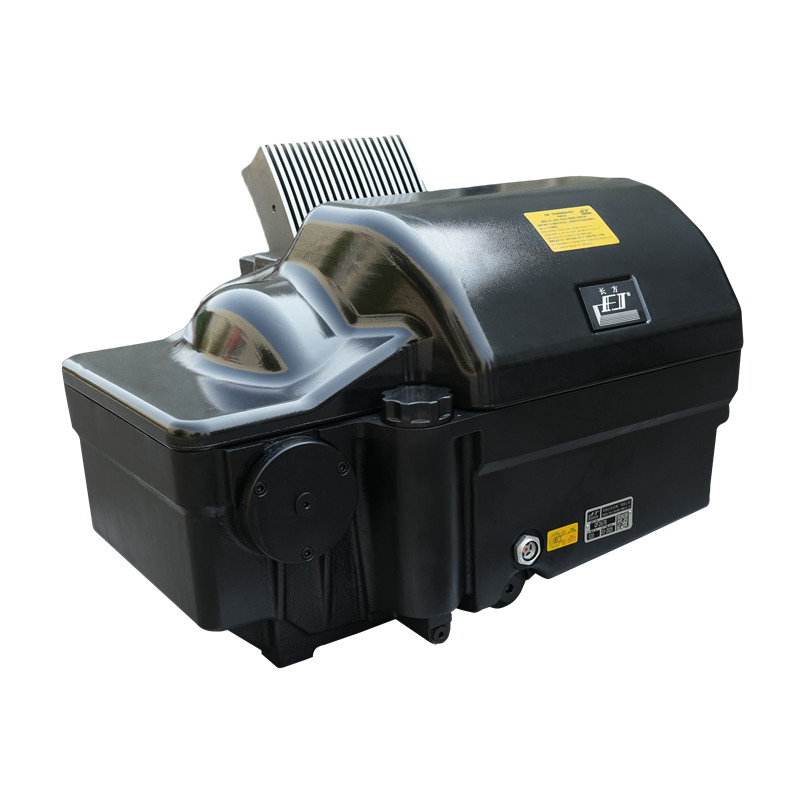
Decoding the Most Frequent Fault Codes
The electronic control unit (ECU) of the CF2658B Electronically Controlled Rotary Dobby uses a standardized alphanumeric code system to indicate specific failures. Below is a practical reference table for the most commonly reported alarms.
| Fault Code | Description | Immediate Symptom | Primary Root Cause |
|---|---|---|---|
| E-101 | Shedding angle position deviation | Machine halts with sley at back center | Encoder signal loss or coupling loosened |
| E-205 | Servo motor overcurrent | Drive unit trips with red LED indicator | Mechanical jamming or brake short circuit |
| E-307 | Communication timeout (CAN bus) | Intermittent stopping, data flicker on HMI | Shielding failure or terminating resistor mismatch |
| E-412 | Solenoid valve response lag | Pick skipping or warp breakage increase | Low air pressure or clogged valve filter |
| E-508 | Battery backup voltage low | Settings reset after power cycle | Control PCB battery lifespan expired |
Step-by-Step Diagnostic Workflow
Following a logical sequence prevents unnecessary part replacement. For any alarm on the CF2658B Electronically Controlled Rotary Dobby, adopt this five-phase verification process:
-
Visual & Physical Inspection – Check for loose cabling, oil leaks, or foreign objects around the rotary disc and picking cams. Ensure the main power supply is stable within ±10% of rated voltage.
-
Interface Verification – Access the built-in diagnostic menu via the touchscreen panel. Navigate to "History Logs" to view the timestamp and frequency of repeated errors. This often distinguishes between intermittent glitches and persistent hardware failures.
-
Parameter Cross-Check – Compare the current shedding timing settings (angle, dwell, and lift) against the weaving specification sheet for the fabric being produced. Incorrect parameters can trigger false E-101 alarms.
-
Actuator Isolation Test – Use the manual jog mode to rotate the dobby at low speed (5–10 RPM). Listen for irregular clicking or grinding noises that point to worn bearings or bent push-rods.
-
Component Swap – When applicable, exchange suspected sensors or solenoid drivers with known-working units from another loom to confirm the fault source before ordering spare parts from CHANGFANG.
Advanced Maintenance Practices
Preventive care dramatically reduces emergency calls. For the CF2658B Electronically Controlled Rotary Dobby, the following schedule is recommended:
-
Daily: Clean the cooling fan inlet and check the oil mist level in the lubrication unit.
-
Weekly: Test the emergency stop function and recalibrate the zero-position reference.
-
Monthly: Analyze the current consumption trend via the ECU software—a steady rise indicates increasing friction.
-
Quarterly: Replace the backup battery (code E-508 prevention) and tighten all terminal block connections.
CHANGFANG also offers a remote diagnostic service that allows technicians to access limited runtime data, enabling faster root-cause analysis without immediate on-site presence.
CF2658B Electronically Controlled Rotary Dobby FAQ
Q1: The machine displays E-205 immediately after starting the weaving cycle. What should be checked first?
A1: Do not repeatedly reset the drive, as this may damage the servo module. First, disconnect the main motor coupling and rotate the dobby input shaft manually using a torque wrench. If the shaft turns freely (below 15 Nm), the mechanical assembly is intact. Next, measure the winding resistance across the three phases of the servo motor—should be balanced within 5%. If both checks pass, the most probable cause is a degraded IGBT module inside the drive. Contact CHANGFANG support for a replacement drive kit, and during installation, ensure the heat sink compound is reapplied evenly.
Q2: How can I differentiate between an encoder failure (E-101) and a mechanical backlash issue on the CF2658B?
A2: This is a classic diagnostic dilemma. Perform the "marker test": place a white reference mark on the main shaft and another on the dobby cam disc. Run the loom at 50% speed for 10 picks, then stop and observe the alignment. If the marks deviate consistently in one direction, the encoder zero offset is drifting—recalibrate via the service password menu. If the deviation fluctuates randomly, suspect a worn keyway or loose timing belt causing backlash. In that case, replace the timing belt and check the tensioner pulley for play. Both scenarios require immediate attention; ignoring either leads to progressive shedding phase errors.
Q3: The control panel shows E-307, but the wiring looks intact. Could software settings cause this?
A3: Yes, surprisingly often. E-307 indicates a disrupted data link between the dobby controller and the main loom PLC. While physical wiring is the first suspect, certain parameter mismatches—specifically baud rate and node ID—can create the same error after a firmware update or panel replacement. Access the communication settings and verify that the baud rate is set to 250 kbps (factory default) and the node ID is unique (typically 02 for the dobby). Also, check that the terminating resistor on the last device in the daisy-chain is enabled (120 Ω). CHANGFANG recommends using only shielded twisted-pair cables with the drain wire grounded at one end to eliminate electrical noise, which is a frequent hidden contributor.
Practical Case Example
A weaving mill in Southeast Asia reported persistent E-101 errors that occurred only during the first 30 minutes of morning startup. Following the standard procedure, the team replaced the encoder and cables without success. A deeper log analysis revealed that the ambient temperature in the weaving shed dropped below 10°C overnight, causing the shaft coupling to contract and lose its frictional grip. After applying a thermal insulation sleeve around the coupling and adjusting the encoder mounting bracket clearance as per CHANGFANG bulletin TB-22, the issue was permanently resolved. This highlights the importance of environmental factors alongside electronic diagnostics for the CF2658B Electronically Controlled Rotary Dobby.
Final Checklist Before Calling Support
-
□
Backup current parameters to a USB drive.
-
□
Record the exact fault code and the time it occurs (relative to loom speed and warp tension).
-
□
Inspect the three main fuses (F1, F2, F3) on the power supply board.
-
□
Clean the optical encoder disc with lint-free cloth and isopropyl alcohol.
-
□
Verify that all grounding straps are securely bolted to the machine frame.
Optimize Your Dobby Performance with Expert Assistance
Consistent throughput and fabric quality depend on how swiftly your team responds to diagnostic signals. CHANGFANG provides comprehensive technical bulletins, genuine spare parts, and remote troubleshooting for the CF2658B Electronically Controlled Rotary Dobby to keep your looms running at peak efficiency.
Contact us today to schedule a system health audit or to order the latest maintenance toolkits. Our engineering team is ready to assist with customized parameter tuning and on-site training—because every minute of uptime matters to your bottom line. Reach out via our official website or local distributor network for immediate support.