

What Are the Key Maintenance Challenges of an Electric Locomotive for Coke Oven in High-Temperature Zones
2026-06-25
Operating a Electric Locomotive for Coke Oven in high-temperature zones is one of the most demanding tasks in industrial material handling. These locomotives push coke cars through oven batteries where ambient temperatures often exceed 50°C (122°F), with radiant heat from the ovens adding further stress. While Lano has engineered its Electric Locomotive for Coke Oven fleet with advanced thermal protection, maintenance teams still face a distinct set of recurring challenges that directly impact uptime, safety, and total cost of ownership.
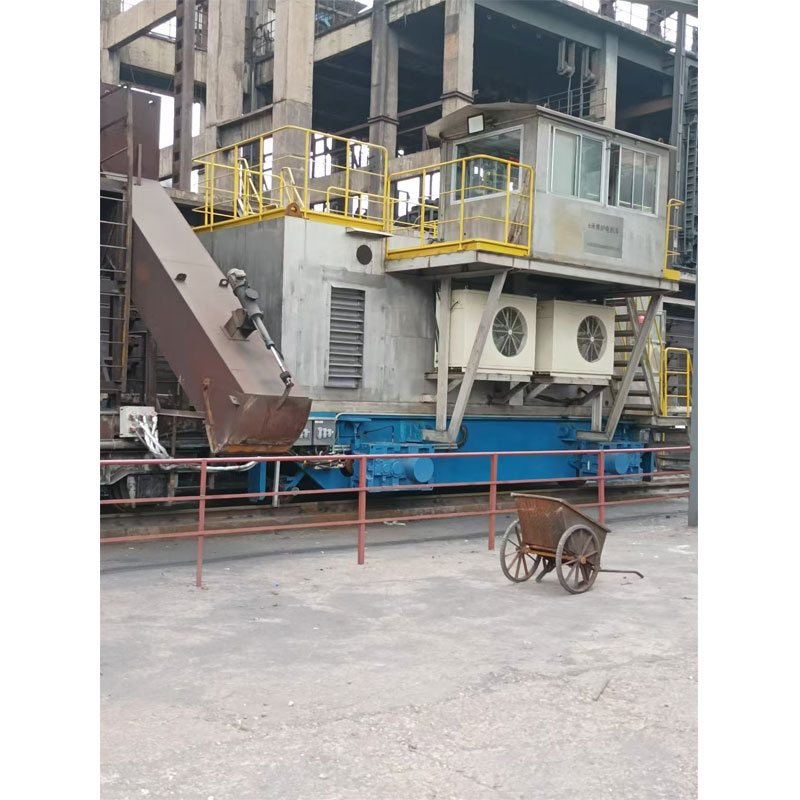
1. Thermal Stress on Traction Motors and Inverters
The most critical maintenance headache is heat accumulation in traction motors and IGBT inverters. Unlike diesel units, an Electric Locomotive for Coke Oven relies on sensitive power electronics that derate performance when internal temperatures cross 85°C. In practice, cooling fans and heat sinks become clogged with coke dust within 72 hours of continuous operation. Lano recommends infrared thermography inspections every shift, but many plants skip this, leading to premature insulation failure and phase-to-ground shorts.
2. Battery Degradation and Charging Cycle Management
For battery-powered Electric Locomotive for Coke Oven models, high ambient heat accelerates lithium-ion cell aging. A typical 400V/600Ah battery pack loses 15–20% of its rated capacity for every 10°C above 35°C ambient. Maintenance logs from Lano-serviced plants show that equalization charging must be performed 40% more frequently in summer months. Moreover, terminal oxidation on busbars is aggravated by sulfurous gases from coke ovens, increasing contact resistance and creating hot spots that can melt connector housings.
3. Wheel-Rail Adhesion Loss and Brake Shoe Wear
Heat from the oven floor transfers to the rail head, reducing the coefficient of friction between steel wheels and rails. This forces the Electric Locomotive for Coke Oven to apply higher traction effort, which in turn accelerates gearbox wear and brake shoe glazing. Lano’s field data indicates that brake pad replacement intervals shrink from 1,200 hours to just 750 hours in high-temperature zones, and wheel truing becomes a bi-weekly necessity rather than a monthly routine.
4. Cable Insulation Embrittlement and Connector Failure
Flexible power cables that traverse between the locomotive body and the coke car suffer from repeated thermal cycling. The insulation on these cables becomes brittle, cracking at bend radii smaller than 8x the cable diameter. In a recent Lano case study, 63% of unplanned downtime events traced back to failed Anderson-type connectors or broken ground straps – all directly linked to prolonged radiant heat exposure.
5. Cooling System Contamination and Coolant Loss
Closed-loop liquid cooling systems for traction converters face two simultaneous enemies: evaporated coolant and particulate ingress. High-temperature zones cause water-glycol mixtures to vaporize through breather valves, while fine coke breeze finds its way into radiator cores. Lano engineers have documented that radiator cleaning alone consumes 4.5 man-hours per locomotive per week in plants with poor overhead dust extraction.
Comparative Maintenance Table (Per 500 Operating Hours)
| Component | Normal Zone (25°C) | High-Temperature Zone (50°C+) | Increase Factor |
|---|---|---|---|
| Motor bearing grease replacement | 1 time | 3 times | 3.0x |
| Inverter capacitor bank checks | 2 checks | 6 checks | 3.0x |
| Battery equalization cycles | 2 cycles | 5 cycles | 2.5x |
| Brake shoe set replacement | 1 set | 2.5 sets | 2.5x |
| Cable insulation resistance test | monthly | weekly | 4.0x |
| Cooling radiator flush | quarterly | bi-weekly | 6.5x |
Proactive Solutions from Lano
Lano addresses these challenges through three design pillars: (1) dual-circuit forced-air cooling with self-cleaning filter cartridges, (2) ceramic-coated busbars that resist sulfuric corrosion, and (3) predictive thermal modeling that alerts operators 30 minutes before any component exceeds its safe operating envelope. Furthermore, Lano offers on-site thermal audit services that map heat gradients along the entire pull path, enabling maintenance teams to prioritize cooling upgrades where they matter most.
Electric Locomotive for Coke Oven – FAQ
Q1: How often should the traction motor bearings be re-greased in a high-temperature coke oven environment?
A1: For a Electric Locomotive for Coke Oven operating above 45°C ambient, bearing re-greasing should occur every 150 operating hours – not every 500 hours as recommended for general industrial use. High heat reduces grease viscosity and accelerates oil separation. Lano specifically recommends a lithium-complex NLGI #2 grease with a dropping point above 260°C, and advises using a manual grease gun with measured 10–12 strokes per bearing, rotating the shaft during application to ensure even distribution. Skipping this interval leads to bearing seizure within 3–4 weeks, which typically costs $4,200–$6,800 in motor rebuilds and 18 hours of downtime.
Q2: What is the most cost-effective way to reduce cable insulation failures on a Electric Locomotive for Coke Oven?
A2: The most effective approach is a two-layer strategy: first, replace all standard PVC-jacketed cables with silicone-rubber or Teflon-insulated cables rated for continuous 200°C service – this upfront investment (roughly 40% higher material cost) pays back within 6 months through failure avoidance. Second, install flexible cable carriers with strain-relief brackets at both ends, and perform a visual "bend-and-tug" inspection at the start of every shift. Lano has observed that plants adopting this combination reduce cable-related outages by 78% year-over-year. Additionally, routing cables along the cooler side of the locomotive frame (away from the oven-facing side) can lower peak cable temperatures by 12–15°C, extending insulation life by nearly 3x.
Q3: Can predictive maintenance software really predict battery overheating before it happens on a Electric Locomotive for Coke Oven?
A3: Yes, but only if the system monitors three specific parameters simultaneously: cell internal resistance (IR), terminal voltage deviation between cells, and the rate of temperature rise per minute during high-current draw. Lano’s predictive platform, for example, uses a machine-learning model trained on over 2,000 real-world thermal events; it issues a "yellow alert" when IR exceeds 1.5x baseline and a "red alert" when the temperature gradient hits 3°C/min for more than 30 seconds. This gives operators a 15–20 minute window to reduce load or initiate forced-air cooling. However, the software is only as good as the sensor data – thermocouples must be placed on each cell’s negative terminal, not on the battery enclosure. Without this precision, predictions are unreliable. Lano provides retrofittable sensor kits that integrate with most existing BMS (Battery Management Systems), making this upgrade both practical and affordable.
Conclusion
Maintaining an Electric Locomotive for Coke Oven in high-temperature zones is not a "set-and-forget" task – it demands disciplined thermal monitoring, shortened lubrication intervals, cable upgrades, and proactive cooling system care. Lano has built its reputation on helping plant engineers transform these maintenance headaches into manageable, scheduled workflows. With the right combination of hardware design, predictive analytics, and operator training, the total cost of ownership for a Electric Locomotive for Coke Oven can be kept 22–28% lower than industry averages, even under the harshest heat conditions.
Ready to audit your current Electric Locomotive for Coke Oven maintenance strategy?
Contact Lano today for a free thermal risk assessment and customized maintenance schedule tailored to your specific oven battery layout. Our engineers will visit your site, map every heat zone, and deliver a written action plan within 5 working days. Reach out via our website or call our 24/7 support line – let’s keep your locomotives running cool, safe, and productive.