

What are the main differences between a biogas generator set and a natural gas generator set
2026-04-21
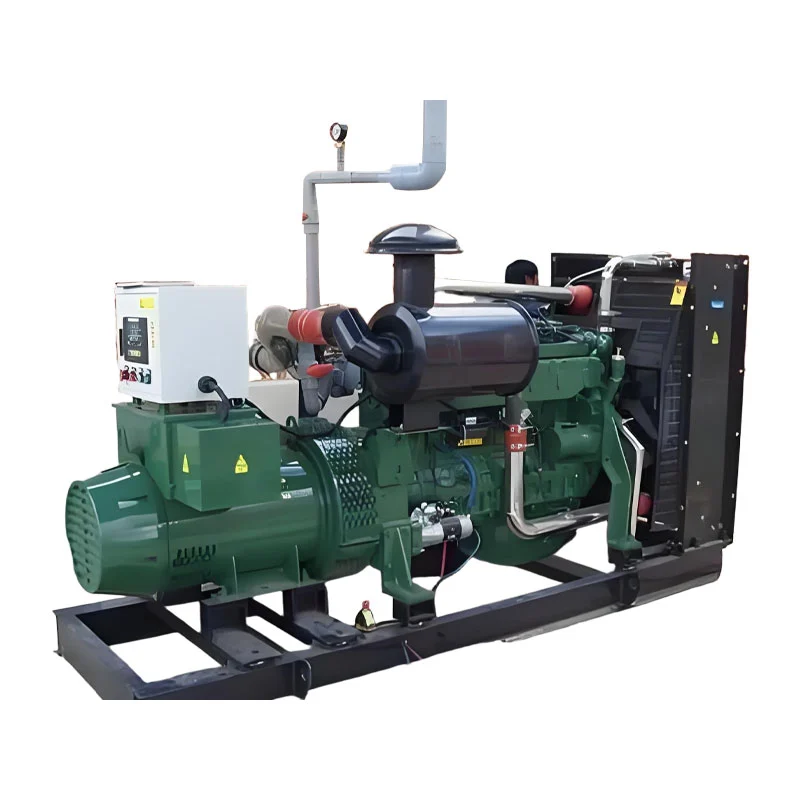
When selecting a power generation solution, understanding the technical and operational distinctions between a biogas generator set and a natural gas generator set is critical. Kecheng has extensive experience in manufacturing both types of systems, and this guide outlines the key differences to help you make an informed decision.
Core Technical Differences
| Feature | Biogas Generator Set | Natural Gas Generator Set |
|---|---|---|
| Fuel source | Anaerobic digestion of organic waste | Fossil fuel extracted from underground reservoirs |
| Methane content | 40-60% | 80-95% |
| Fuel impurities | High levels of H₂S, moisture, siloxanes | Minimal impurities after pipeline processing |
| Corrosion risk | High (requires special materials) | Low |
| Pre-treatment required | Extensive gas cleaning and drying | Minimal or none |
| Engine modification | Hardened valves, spark plugs, and corrosion-resistant components | Standard industrial engine design |
Operational and Economic Comparisons
| Parameter | Biogas Generator Set | Natural Gas Generator Set |
|---|---|---|
| Fuel cost | Very low (often waste byproduct) | Market-dependent, generally higher |
| Maintenance frequency | Shorter intervals (every 500-800 hours) | Longer intervals (every 1000-1500 hours) |
| Efficiency range | 30-40% | 35-45% |
| Carbon footprint | Near-neutral (renewable) | Positive (fossil-based) |
| Typical application | Farms, wastewater plants, landfills | Industrial, commercial, residential backup |
Key Design Modifications in a Biogas Generator Set
Unlike natural gas units, a Kecheng biogas generator set incorporates:
-
Corrosion-resistant heat exchangers
-
Specialized air-fuel ratio controllers for variable methane content
-
Acid-resistant gaskets and seals
-
Enhanced condensate drainage systems
Biogas Generator Set FAQ
Q1: Can a standard natural gas generator set run on biogas without modifications?
A1: No. Natural gas generator sets require significant modifications to operate on biogas. The lower methane content (40-60% vs 80-95%) changes the air-fuel ratio, while hydrogen sulfide in biogas rapidly corrodes standard engine components. Kecheng recommends using a purpose-built biogas generator set with hardened valves, acid-resistant materials, and a gas pre-treatment system. Attempting to use an unmodified natural gas unit typically leads to engine failure within 200-300 hours.
Q2: How often does a biogas generator set need maintenance compared to a natural gas unit?
A2: A biogas generator set generally requires maintenance every 500-800 operating hours, whereas a natural gas generator set can often run 1000-1500 hours between services. The increased frequency is due to biogas impurities like hydrogen sulfide and moisture, which degrade oil quality faster and accelerate wear on valves, spark plugs, and piston rings. Kecheng units include corrosion monitoring systems to optimize maintenance scheduling based on actual gas quality.
Q3: Is the electrical output of a biogas generator set stable when methane content fluctuates?
A3: Output stability depends entirely on the generator set's control system. Basic units experience power dips when methane concentration drops from 60% to 50%. However, a Kecheng biogas generator set is equipped with an active air-fuel ratio controller and a methane sensor feedback loop. This system adjusts the air intake in real time, maintaining voltage and frequency stability even with methane variations between 45% and 65%. Without such controls, output fluctuations can damage sensitive equipment.
Why Choose Kecheng for Your Power Generation Needs
Kecheng engineers each biogas generator set with robust components designed for aggressive fuel conditions. The company also provides natural gas generator sets for applications where pipeline gas is available. Every unit undergoes full-load testing before delivery.
Contact us today to discuss your project requirements. Our team will help you select between a biogas generator set and a natural gas generator set based on your fuel availability, budget, and operational goals.