

What Are the Main Differences Between a Semi-auto and Fully Auto Grooving Machine
2026-08-13
When selecting pipe grooving equipment, shop floor managers often struggle with a critical choice: should they invest in a Semi-auto Grooving Machine or step up to a fully automatic system? This decision directly impacts labor costs, output consistency, and long-term maintenance budgets. At Rongda, we have spent over two decades helping fabrication shops, fire protection contractors, and HVAC installers make this exact decision with confidence. Understanding the operational, financial, and technical trade-offs is not just about machine specs—it is about matching equipment to your actual production rhythm.
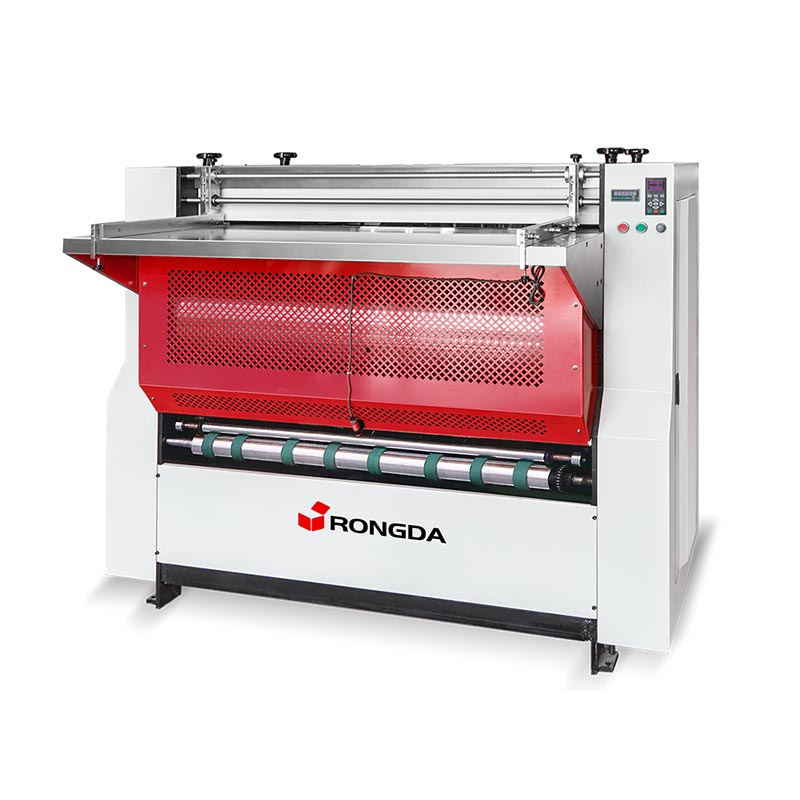
Core Operational Differences at a Glance
The most visible distinction lies in material handling and cycle control. A Semi-auto Grooving Machine requires an operator to load the pipe, position it against the stop, engage the clamping lever, and manually initiate the grooving cycle. Once the groove reaches the preset depth, the machine stops automatically, but the operator must unload and reposition the pipe for the next piece. In contrast, a fully automatic grooving machine uses sensors, PLC controls, and motorized clamping to execute the entire sequence—from infeed to ejection—with a single push button or even via foot pedal.
| Feature | Semi-auto Grooving Machine | Fully Auto Grooving Machine |
|---|---|---|
| Loading/Unloading | Manual | Automatic or assisted |
| Cycle Initiation | Manual lever or button | One-touch or PLC-controlled |
| Clamping Force | Manual hydraulic lever | Automatic pressure sensor |
| Groove Depth Control | Mechanical stop + operator check | Closed-loop servo/encoder |
| Output per Hour (1.5" pipe) | 80–120 pieces | 180–240 pieces |
| Operator Skill Required | Moderate (training: 1–2 days) | Low (training: 2–4 hours) |
| Initial Investment | Lower (budget-friendly) | Higher (premium segment) |
| Maintenance Complexity | Simple hydraulic + mechanical | Hydraulic + electronic + sensors |
Why Choose a Semi-auto Grooving Machine?
For job shops handling varied pipe sizes (1" to 8") and frequent changeovers, the Semi-auto Grooving Machine offers unmatched flexibility. You can adjust the roller position and stop length without reprogramming, making it ideal for custom fabrication where batch sizes are small. Rongda’s semi-auto models feature a rugged cast-iron frame and a visual depth gauge, allowing experienced operators to fine-tune groove dimensions on the fly. Additionally, spare parts—such as grooving rollers and seal kits—are widely available and affordable, keeping downtime under 30 minutes for most repairs.
However, the manual clamping lever does demand physical effort. Operators rotating the handle 300–500 times per shift may experience fatigue, which can subtly affect groove concentricity during the last hour of a long run. This is where the fully automatic machine shines—it eliminates human variability entirely.
When Fully Automatic Justifies the Premium
High-volume production lines—such as those supplying prefabricated fire sprinkler risers or chilled water mains—benefit enormously from full automation. A fully auto machine from Rongda integrates with conveyor systems and barcode readers, automatically adjusting roller pressure based on pipe schedule (e.g., Sch. 10 vs. Sch. 40). The closed-loop depth control ensures that every groove meets ASTM or ISO standards within ±0.002", which is critical for rigid couplings. Moreover, automatic lubrication systems extend roller life by 40% compared to manual greasing intervals.
The trade-off? Higher upfront cost and reliance on electronic components. If your facility lacks skilled electrical technicians, troubleshooting a sensor failure can take longer than repairing a mechanical hydraulic valve on a Semi-auto Grooving Machine.
Semi-auto Grooving Machine FAQ
Q: Can a Semi-auto Grooving Machine produce grooves that meet fire sprinkler standards (NFPA 13)?
A: Absolutely. Rongda’s Semi-auto Grooving Machine models are factory-calibrated to meet or exceed NFPA 13 and ASTM F1476 standards. The key is using the correct roller set for your pipe material (steel, copper, or stainless) and verifying the groove depth with a go/no-go gauge every 50 pieces. We recommend scheduling a weekly calibration check using our digital depth comparator—this ensures that even with manual clamping, your groove dimensions remain within the allowable tolerance of ±0.010". Many of our customers have passed third-party inspections with semi-auto machines for over 10 years.
Q: How long does it take to change over a Semi-auto Grooving Machine from 2" to 6" pipe?
A: With Rongda’s quick-change roller system, the entire changeover—including swapping the upper and lower rollers, adjusting the rear stop, and resetting the depth limiter—takes approximately 6 to 8 minutes for an experienced operator. This includes a test groove on a scrap piece to verify dimensions. By contrast, a fully auto machine may require 12–15 minutes because you also need to update the PLC recipe and confirm sensor positions. For shops with more than five size changes per day, the Semi-auto Grooving Machine actually delivers higher overall productivity due to shorter changeover times.
Q: What routine maintenance does a Semi-auto Grooving Machine require to avoid downtime?
A: Rongda recommends a three-tier maintenance schedule for every Semi-auto Grooving Machine. Daily: wipe down the rollers and apply light oil to the sliding ways; check the hydraulic oil level (use ISO VG 46). Weekly: inspect the V-belt tension and tighten all clamping bolts on the tool post. Monthly: replace the hydraulic filter element and grease the eccentric shaft bearing (two pumps with a manual grease gun). The most common failure point is the clamp cylinder seal—we stock seal kits and provide a 15-minute video guide for replacement. Following this schedule typically yields 5–7 years of trouble-free operation before a major overhaul is needed.
Cost-Benefit Decision Matrix
| Decision Factor | Choose Semi-auto | Choose Fully Auto |
|---|---|---|
| Daily output < 400 pieces | ✔ Best fit | ✖ Overkill |
| Daily output > 800 pieces | ✖ Bottleneck | ✔ Optimal |
| Pipe size range: 1"–8" | ✔ Flexible | ✔ (with recipe storage) |
| Pipe size range: fixed 2"–4" | ✔ Acceptable | ✔ Excellent |
| Operator turnover rate high | ✖ Training burden | ✔ Easy onboarding |
| Budget under $8,000 | ✔ Rongda offers models | ✖ Not available |
| Integration with ERP/MES | ✖ Limited | ✔ Full data logging |
Final Verdict from the Shop Floor
The Semi-auto Grooving Machine remains the workhorse for diverse, medium-volume production environments where human skill adds value and changeovers are frequent. It is more forgiving of electrical surges, easier to repair with basic tools, and offers a faster return on investment—often within 6–8 months for a Rongda unit. Fully automatic machines excel in dedicated, high-speed lines where consistency trumps flexibility and labor savings justify the 2.5x price premium.
Before you commit, run a simple time study: time 50 grooves on your current setup, then compare against our published cycle charts. Most shops find that a Semi-auto Grooving Machine delivers 85% of the automation benefits at only 40% of the cost, making it the smarter choice for 7 out of 10 fabrication shops.
Ready to Match the Right Machine to Your Workflow?
Every production floor has unique constraints—pipe schedules, shift patterns, and available floor space. Rongda’s application engineers offer free on-site or virtual assessments to analyze your actual grooving data and recommend the optimal model. We provide trial units for 5-day shop tests, complete with rollers and setup guides. Contact us today via our website or call your regional distributor to schedule a live demonstration. Let us help you groove smarter, not harder—because the right machine pays for itself in the first quarter.