

What are the main maintenance challenges for a fecal biogas generator set in urban sanitation systems
2026-05-21
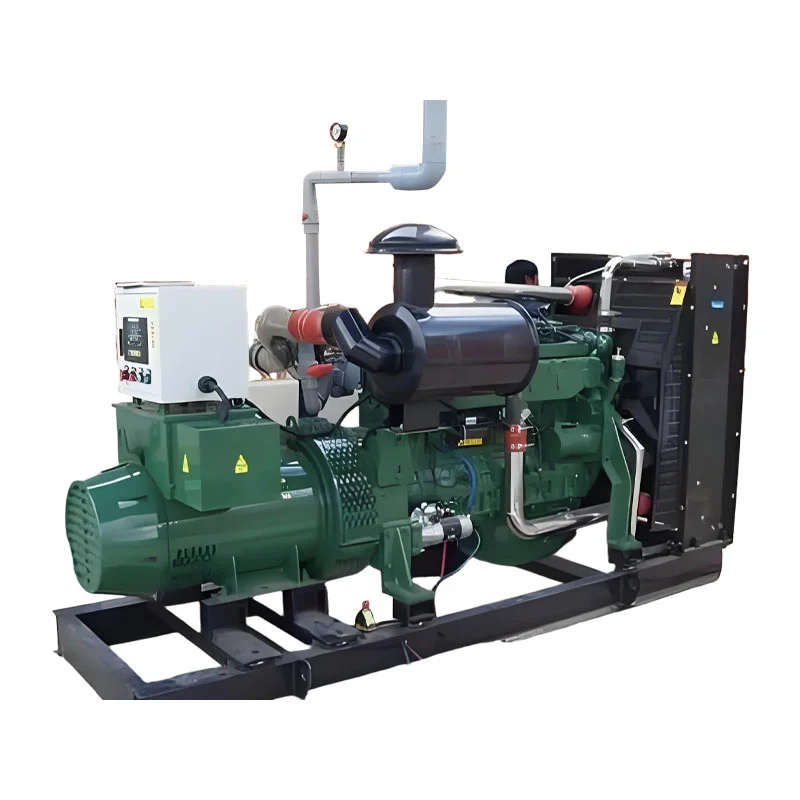
Urban sanitation systems face mounting pressure to manage waste sustainably. A Fecal Biogas Generator Set offers a powerful solution by converting human waste into renewable energy. Kecheng has pioneered reliable systems in this field. However, maintaining such equipment in dense urban environments presents unique obstacles. This article examines the core maintenance challenges, supported by data and practical answers to common questions.
Key Maintenance Challenges in Urban Settings
Urban conditions intensify wear on any Fecal Biogas Generator Set. Below is a structured breakdown of the main issues.
| Challenge Category | Specific Issue | Impact on System |
|---|---|---|
| Feedstock Quality | Inconsistent solid content, non-biodegradable debris (wipes, plastics) | Clogging, reduced gas yield |
| Corrosion | High ammonia and hydrogen sulfide levels | Damage to pipes, seals, and generator head |
| Sludge Accumulation | Grit and sand settling in digester tanks | Reduced active volume, frequent cleaning |
| Odor Control | Leaks from seals or vents in populated areas | Regulatory fines, community complaints |
| Grid Integration | Fluctuating biogas pressure from variable feeding | Unstable generator output |
Each challenge demands a proactive maintenance strategy. Kecheng systems include reinforced seals and pre-screening units to mitigate these risks, but urban operators must remain vigilant.
Detailed Problem Areas
1. Debris Management
Urban waste often contains plastics, textiles, and condoms. These materials float and form a crust inside the digester, blocking gas release. Operators must manually remove scum every 2–4 weeks.
2. Corrosion Control
Hydrogen sulfide (H₂S) levels can exceed 3,000 ppm in fecal feedstock. This gas combines with moisture to form sulfuric acid, corroding steel components. Regular oil changes and biweekly gas quality tests are mandatory.
3. Temperature Fluctuations
Underground tanks in cities maintain 20–25°C, but surface pipes freeze in winter. Heat tracing tape and insulation reduce thermal stress on the Fecal Biogas Generator Set.
FAQ – Common Questions About Fecal Biogas Generator Set Maintenance
What is the typical maintenance frequency for a Fecal Biogas Generator Set in an urban wastewater plant?
Kecheng recommends a three-tier schedule: daily visual checks for leaks and unusual noises, weekly draining of condensate water from gas lines, and monthly inspections of the generator oil and spark plugs. Every six months, the digester requires partial sludge removal (20–30% of volume). Full system overhaul, including replacement of rubber membranes and gaskets, occurs every 5–7 years depending on feedstock abrasiveness. Urban operators with variable inflow should increase inspection frequency to twice weekly.
How do you prevent blockages from non-biodegradable waste entering a Fecal Biogas Generator Set?
Prevention starts with upstream screening. Install a coarse screen (10–15 mm mesh) at the inlet pit, followed by a grit chamber. Kecheng offers an automated raking bar screen that removes solids >8 mm. Despite this, some microplastics and hair fibers pass through. Operators must schedule a manual digester cleanout every 3 months using a vacuum truck. Adding a hydrolysis tank before the main digester also helps break down soft debris. Never flush wet wipes or sanitary products into the system – public education campaigns are essential.
Can a Fecal Biogas Generator Set operate continuously during maintenance of the sludge removal process?
Partial shutdown is unavoidable during deep cleaning, but continuous operation is possible with dual-digester configurations. Kecheng designs modular urban systems with two digesters working in parallel. While one tank is offline for desludging (typically 24–48 hours), the other maintains 60–70% of rated gas output. For single-tank systems, schedule maintenance during low-flow nighttime hours (10 PM to 6 AM). Always keep a backup gas flare or grid connection to handle excess pressure during restart. Never enter a recently emptied digester without full confined space training and forced ventilation.
Conclusion and Contact
Maintaining a Fecal Biogas Generator Set in urban sanitation requires rigorous planning, from debris control to corrosion management. Kecheng delivers robust equipment designed for these exact conditions, backed by technical support and spare parts availability.
For a customized maintenance schedule or to discuss a pilot project, contact us today. Our engineers provide site assessments and operator training to keep your biogas system running efficiently for decades.