

What Are the Most Common Maintenance Issues with Auto Hopper Loaders and How Can You Fix Them
2026-04-24
Auto Hopper Loaders are essential for automating material transfer in plastic processing, injection molding, and extrusion lines. However, like any mechanical system, they require regular attention. Sinburller has engineered its Auto Hopper Loaders to minimize downtime, but understanding common faults and their fixes keeps operations running smoothly. Below is a professional maintenance guide aligned with industry best practices.
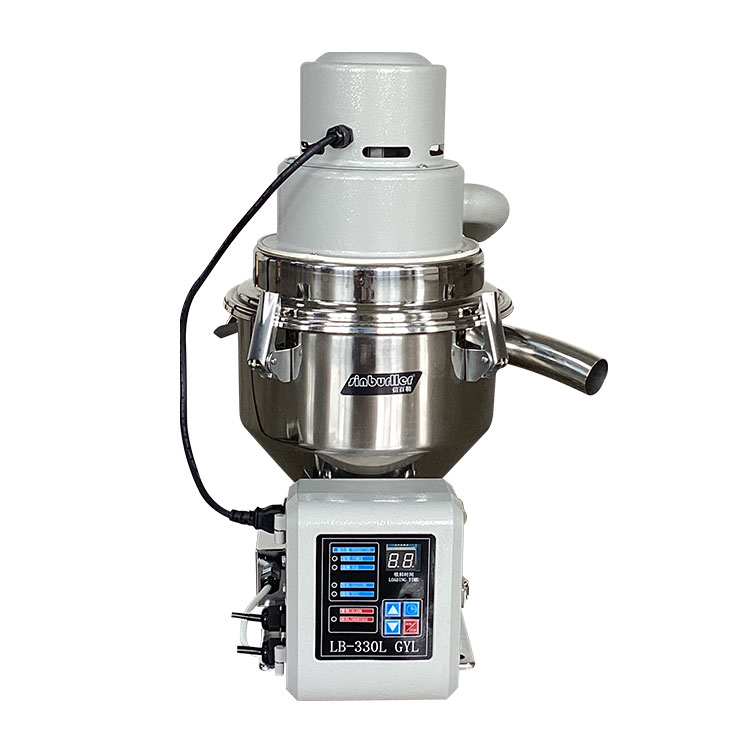
Most Frequent Failures and Corrective Actions
| Issue | Typical Cause | Immediate Fix | Preventive Measure |
|---|---|---|---|
| No material pickup | Clogged air filter or leaking vacuum hose | Replace filter; tighten or replace hose | Clean filter every 200 operating hours |
| Motor runs but no suction | Worn out diaphragm or rotor vanes | Install Sinburller genuine diaphragm kit | Inspect rotor every 3 months |
| Material bridging in hopper | Moisture or static charge | Install anti-static rod; dry resin before loading | Use a dehumidifier upstream |
| Frequent cycling / overfilling | Faulty level sensor | Clean sensor lens; recalibrate or replace sensor | Check sensor alignment weekly |
| Excessive noise | Loose impeller or bearing wear | Tighten impeller nut; replace bearing assembly | Lubricate bearings monthly |
Step-by-Step Fixes for Two Critical Problems
1. Clogged vacuum line – Disconnect the hose from the Auto Hopper Loader and blow compressed air through it. For Sinburller units, access the quick-release clamp and remove debris from the venturi block. Reinstall and test suction with empty hose.
2. Material leak at dump valve – The rubber flap valve hardens over time. Remove the valve cover, inspect for cracks, and replace with a Sinburller OEM valve. Adjust the solenoid delay to ensure full closure before vacuum restarts.
FAQ: Common Questions About Auto Hopper Loaders
Q1: How often should the filter in an auto hopper loader be cleaned or replaced?
A: For standard pellets, clean the cartridge filter every 50 to 100 operating hours using low-pressure air (max 30 PSI) to avoid tearing the media. For regrind or dusty materials, clean daily. Replace the filter every 500 hours or when visible dust passes through. Sinburller Auto Hopper Loaders feature a quick-clean filter cover that reduces cleaning time by 60%, but regular replacement remains critical to motor lifespan.
Q2: Why does my auto hopper loader keep running after the material bin is full?
A: This indicates a stuck or misaligned level sensor. First, remove the sensor probe and wipe off any resin dust or static buildup. Second, check for magnetic interference near the sensor wire. If the issue persists, measure sensor resistance – a normally open sensor should close when material touches it. Sinburller provides a diagnostic LED on its control board; if the LED stays on regardless of material presence, replace the sensor module. Delayed shutdown can overfill and damage the vacuum motor.
Q3: Can I use the same auto hopper loader for different types of plastics without cross-contamination?
A: Yes, but thorough cleaning is mandatory. Run purge material (like natural polypropylene) through the system. Then disassemble the vacuum chamber and wipe all surfaces with a lint-free cloth. For Sinburller models, use the slide-out hopper design to access the dump valve and blow out residual powder. Never mix incompatible materials (e.g., PVC with PET) without full disassembly, as residual heat can cause degradation and blockages. Dedicated filters for each resin type are recommended for high-purity applications.
Proactive Maintenance Checklist for Extended Lifespan
-
Weekly: Inspect all hose clamps and Auto Hopper Loaders mounting bolts.
-
Monthly: Test vacuum level with a gauge – Sinburller units should show above 14 inHg.
-
Quarterly: Replace rubber seals on the material discharge door.
-
Annually: Send the motor and control board to Sinburller for lab calibration.
Contact Us for Professional Support
Keep your Auto Hopper Loaders performing at peak efficiency with genuine Sinburller parts and expert guidance. Whether you need a troubleshooting walkthrough, a replacement diaphragm, or a full system audit, our technical team is ready to help. Contact us today via the website form or call your local Sinburller distributor to schedule a maintenance check and reduce unplanned downtime.